


Why Humidity Changes the Rules
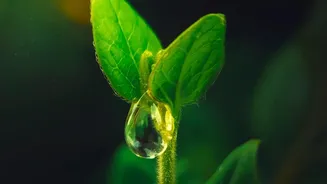
Plants 'breathe' through a process called transpiration, releasing water vapor from their leaves. This process pulls water up from the roots, keeping the entire system hydrated. However, when the air is already saturated with moisture (high humidity),
transpiration slows down significantly. Think of it like trying to dry a towel in a steamy bathroom—it just doesn't work very well. Because the leaves aren't releasing as much water, the roots don't need to draw as much up from the soil. If you continue watering on your normal schedule, you risk giving the plant far more water than it can actually use.
The Danger of a Damp Routine
The number one enemy of houseplants in humid weather is not neglect, but over-attentiveness. When you water soil that is already moist, it becomes waterlogged. This suffocates the roots, depriving them of the oxygen they need to function and survive. This oxygen-deprived environment is the perfect breeding ground for fungal pathogens that cause root rot. The signs of overwatering can be confusingly similar to underwatering—limp, wilting, and yellowing leaves. However, with overwatering, the soil will be wet to the touch, and you might notice a musty or rotten smell from the pot. The base of the stem may also become soft and mushy.
Abandon the Schedule, Trust Your Senses
The single most important shift to make during humid weeks is to move from a rigid watering schedule to one based on observation. Instead of watering every Saturday, make it a habit to check your plants every few days. The goal is to water only when the plant actually needs it. The most reliable method is the finger test: push your finger about one to two inches into the soil. If it feels dry at that depth, it's time to water. If you feel any moisture, hold off and check again in a day or two. For larger pots, a wooden skewer or chopstick works well; if it comes out clean and dry, the plant is thirsty.
Watering the Right Way
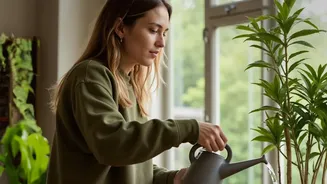
When you've determined that your plant needs a drink, water it thoroughly, not sparingly. Pour water slowly and evenly over the soil surface until it begins to run out of the drainage holes at the bottom of the pot. This encourages deep, strong root growth. After about 30 minutes, be sure to empty any excess water from the saucer or cachepot. Allowing a plant to sit in standing water is one of the quickest routes to root rot. Watering in the morning is ideal, as it gives the plant the day to absorb the moisture and allows any water on the foliage to evaporate, which helps prevent fungal leaf spots.
Beyond the Watering Can
While rethinking your watering is crucial, a few other adjustments can help your plants thrive in the damp air. Good air circulation is key to preventing fungal growth on both leaves and soil. If your home feels stuffy, consider opening a window or using a small fan in the room to keep the air moving—just don't point it directly at your plants. Also, ensure your plants are in pots with drainage holes and are planted in a well-aerated potting mix. Materials like perlite or orchid bark can be added to standard soil to improve drainage and allow roots to breathe.