






The Paper Problem and the Digital Push
For years, pet registration in India has been a fragmented affair, handled by local municipal corporations with varying degrees of success. In most major cities like Delhi, Mumbai, and Bengaluru, registering a pet dog is mandatory. However, the process
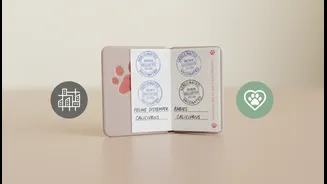
was often a frustrating loop of paperwork, manual records, and low public awareness. This led to extremely low compliance rates; by some estimates, as few as one in ten pets were registered even where it was legally required. Clunky government websites and confusing procedures meant that even well-intentioned owners often gave up. This created a massive blind spot for civic authorities, leaving them with no accurate data on the owned pet population, their vaccination status, or where they lived.
From Bark to Meow: Expanding the Database
The traditional focus has almost always been on dogs, leaving a growing population of other companion animals completely off the books. Cats, in particular, have seen a surge in popularity, fitting well into the compact spaces of modern urban life. Recognising this shift, some progressive cities are now expanding their registration drives. In a notable move in July 2026, Ahmedabad announced mandatory registration for its estimated 5,000 pet cats, following the system it had already established for dogs. This signals a crucial evolution in civic policy: acknowledging that effective pet governance must include all companion animals that share our city spaces, not just canines. The data gathered helps officials understand the true scope of pet ownership, which is vital for resource planning.
A Powerful Tool for Public Health
One of the most compelling arguments for a comprehensive digital pet registry is public health. Rabies remains a significant concern in India, and ensuring that companion animals are vaccinated is a critical line of defence. A mandatory, digital registration system makes vaccination proof a prerequisite for obtaining or renewing a pet license. This simple step transforms the registry into a powerful public health tool. In the event of a dog bite incident or a disease outbreak, officials can quickly verify a pet's vaccination status through the database. It helps separate vaccinated, owned pets from stray or unvaccinated animals, allowing for a more targeted and rational response instead of panic. A central database of immunised pets helps build safer communities for everyone.
The Promise of a Safe Return
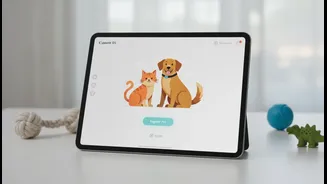
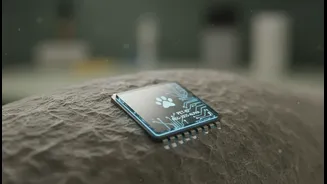
Every pet owner's worst nightmare is a lost companion. A digital registration is the first step in creating a modern safety net. When a pet is registered, it has a legal identity that links it to its owner. The true power of this system is unlocked when it is paired with technology like microchips or QR code tags. Many municipalities now require a microchip for registration, which provides a permanent form of identification. More recently, private companies have introduced smart QR code tags that can be scanned by any smartphone. This instantly brings up a pet's digital profile with the owner's contact details, the vet's information, and critical medical notes. For a person who finds a lost and scared animal, this is the fastest and most effective way to ensure a happy reunion.
Reality Check: Hurdles to a Smart System
Despite the clear benefits, the road to a fully functional digital pet database across India is fraught with challenges. The primary obstacle remains what some critics call a 'pet governance failure'. Many municipal online portals are poorly designed, difficult to navigate, and frequently broken, turning a simple task into a test of patience. In cities like Hyderabad, cumbersome rules and a lack of official outreach have resulted in a lukewarm response from the public. There is often a deep disconnect between the authorities creating the rules and the pet owners who are expected to follow them. Until compliance becomes easier than avoidance, and cities actively promote the benefits of registration, even the most advanced digital systems will struggle to achieve their full potential.