



From Shower to Outburst
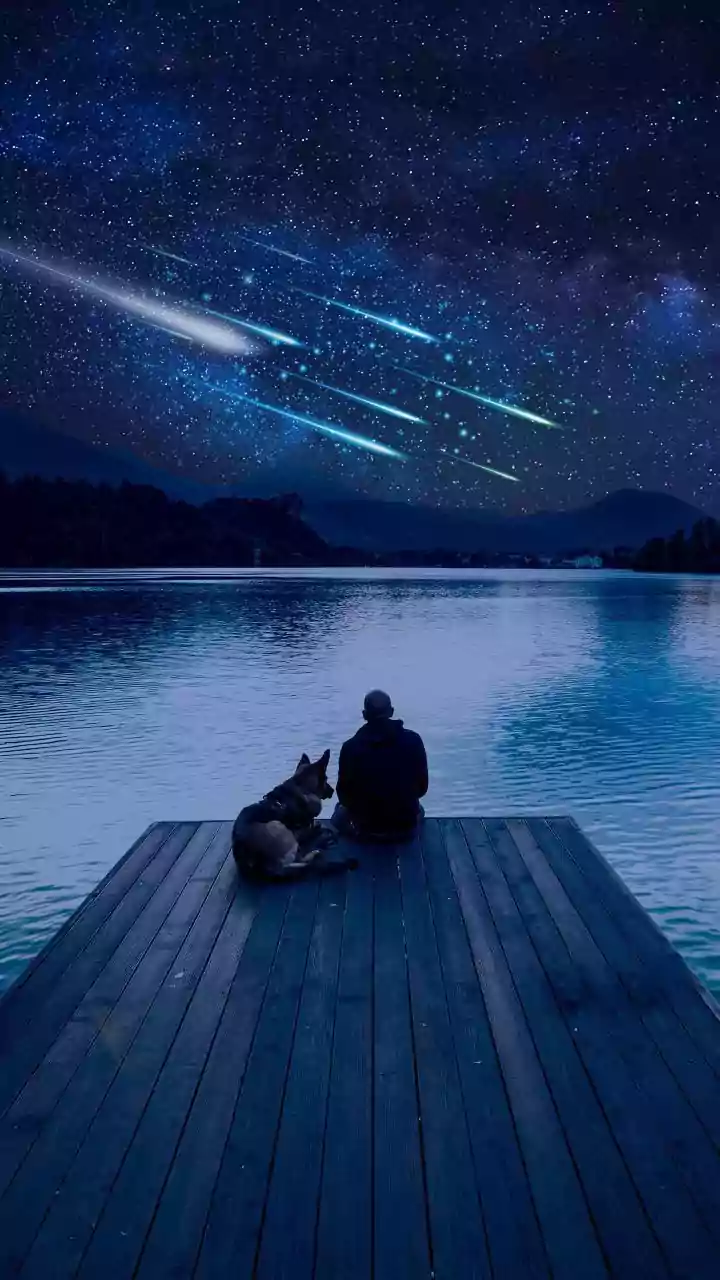
The Perseids are particles of dust and debris shed by the comet 109P/Swift-Tuttle. Each year, as Earth passes through this trail, these particles burn up in our atmosphere, creating the spectacle we love. An “outburst” or “storm” is a rare phenomenon
where Earth passes through a much denser-than-usual patch of this debris. This can dramatically increase the number of meteors from the typical 50-100 per hour to many hundreds or even thousands. While no major outburst is forecast for 2026, a significant one is predicted for August 2028, which could see rates of 500 to 1,000 meteors per hour.
The High-Velocity Threat
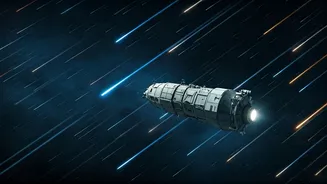
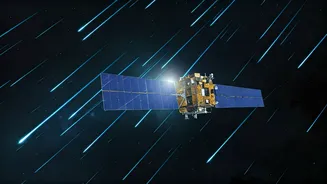
The danger to spacecraft isn’t from large, cinematic asteroids, but from tiny particles, some no bigger than a grain of sand. These micrometeoroids travel at hypervelocity speeds, reaching up to 59 km per second in the case of the Perseids. At that speed, even a minuscule object carries significant kinetic energy. An impact can cause various types of damage, from surface pitting and erosion to the catastrophic failure of critical systems. A strike on a solar panel could reduce power generation, while a hit to a propellant tank could lead to a mission-ending event.
Our Crowded Skies at Risk
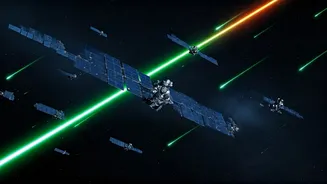
Low Earth Orbit (LEO) is more crowded than ever, largely due to mega-constellations like SpaceX's Starlink. These networks, which provide global internet and other services, involve thousands of individual satellites. While the background risk from meteoroids is a known factor in satellite design, an outburst significantly raises the probability of damaging impacts across these vast constellations. The failure of even a small percentage of these satellites could create more orbital debris, leading to a cascading effect that increases the danger for all space assets. The European Space Agency's Olympus satellite was famously sent spinning out of control during the 1993 Perseid shower.
A Gauntlet for New Frontiers
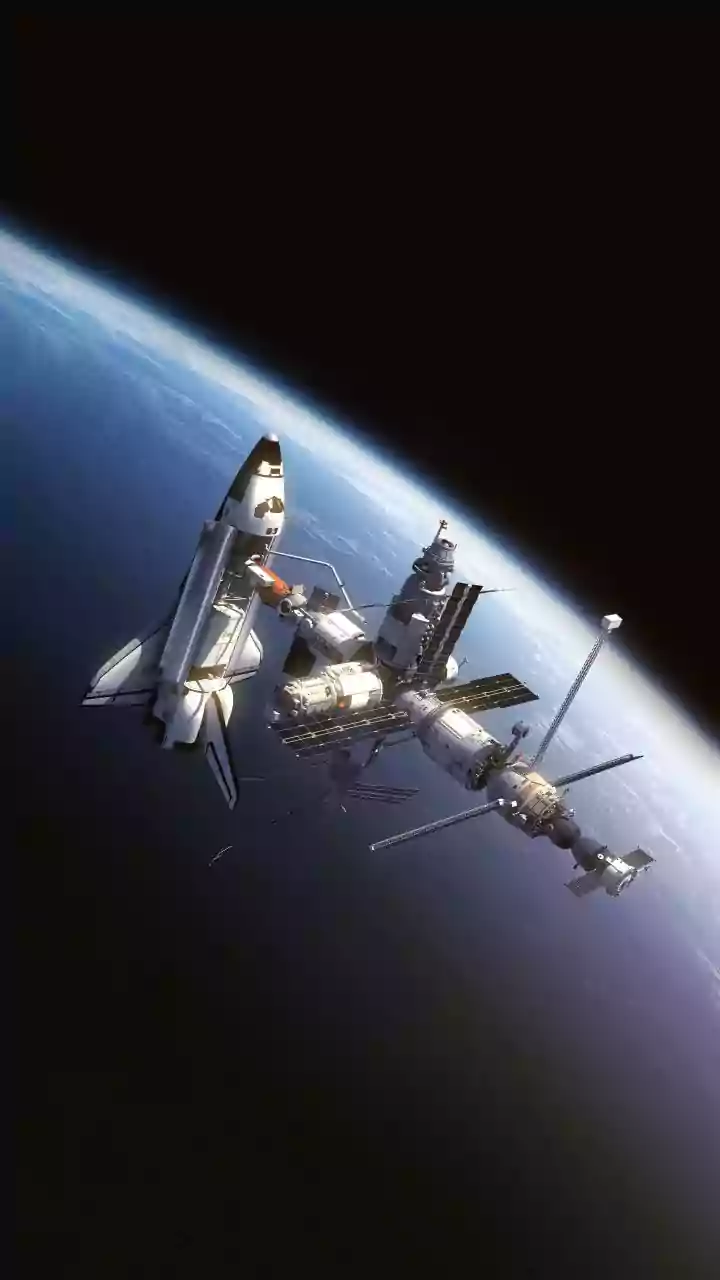
The risk extends far beyond LEO. Ambitious future missions, including NASA's Artemis program to establish a permanent human presence on the Moon and the supporting Lunar Gateway space station, will be particularly vulnerable. These long-duration missions spend more time exposed to the harsh space environment. A major meteor storm could force missions to be delayed or require astronauts on spacewalks or on the lunar surface to take shelter until the threat has passed. Planning for major programs, like crewed missions to Mars and new commercial space stations, must now account for these heightened, periodic risks.
Shielding and Evasive Action
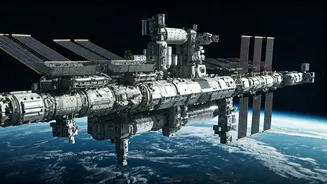
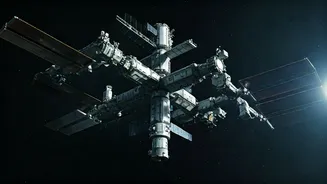
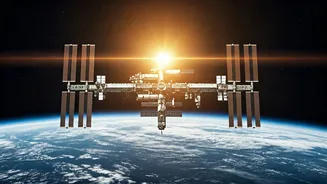
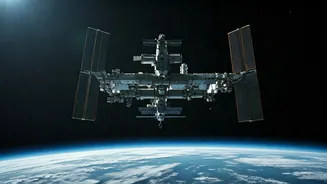
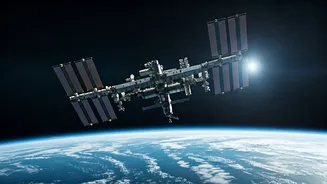
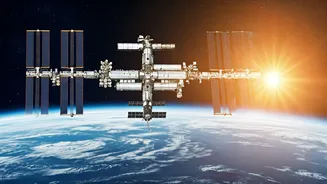
Engineers are not defenseless against this threat. For decades, spacecraft have been protected by Whipple shields—a type of spaced armor where a thin outer plate shatters an incoming particle, dispersing the impact energy before it can hit the main spacecraft wall. Many designs now incorporate advanced materials like Kevlar in multi-layer insulation blankets that serve double duty for thermal control and impact protection. For larger, trackable debris, satellites and the International Space Station can perform evasive maneuvers. However, the sheer number of particles in a meteor storm makes this impossible, placing the onus on robust passive shielding and careful mission timing to navigate the storm.