






The Great Protein Push
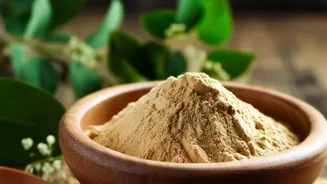
You've seen it everywhere: gym-goers shaking up post-workout drinks, influencers touting their favourite brands, and even family members adding a scoop to their morning milk. The Indian market for protein supplements is booming, projected to grow significantly
in the coming years. This surge is fuelled by rising health consciousness, fitness trends, and aggressive marketing that positions protein powder as an essential part of a healthy lifestyle. While it's true that many Indians may not get enough protein, the narrative often simplifies the solution down to buying a supplement, overlooking the rich dietary sources already available.
How Much Protein Do You Really Need?
Before you invest in a large tub of whey or plant-based powder, it’s crucial to understand your actual needs. According to the Indian Council of Medical Research (ICMR), a sedentary adult needs about 0.8 grams of protein per kilogram of body weight. For a 65-kilogram person, that's around 54 grams per day. This is the amount needed to prevent deficiency, not necessarily for peak athletic performance. Active individuals, athletes, or those looking to build muscle may need more, typically in the range of 1.2 to 1.8 grams per kilogram of body weight. However, for the average person, the baseline requirement is often more achievable through diet than marketers might lead you to believe.
The Power of the Indian Plate
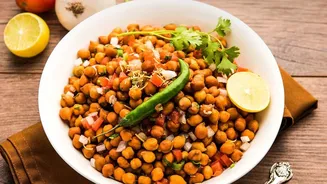
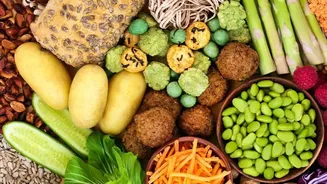
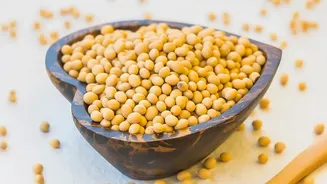
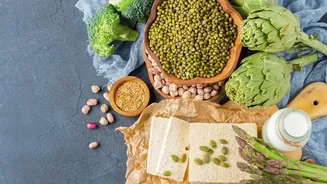
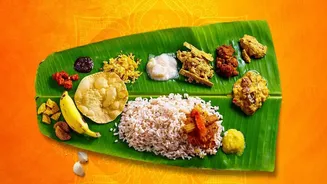
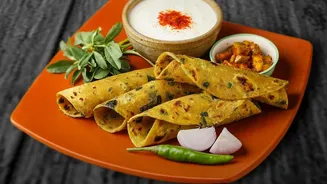
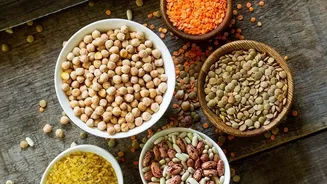
The good news is that the traditional Indian diet is packed with excellent, affordable protein sources. For vegetarians, the options are abundant. A single bowl of dal provides a significant protein punch, especially when paired with rice to form a complete protein. Other powerhouses include paneer, chickpeas (chana), lentils, beans (rajma), and soy products like tofu and soya chunks, which are remarkably high in protein. Dairy products like curd (yoghurt) and milk are also valuable sources. For non-vegetarians, eggs, chicken, and fish are efficient ways to meet protein goals. By consciously including these foods in your daily meals, you can often cover your protein needs without any supplements.
When Can Protein Powder Be Helpful?
This isn't to say protein powders have no place. They can be a convenient and effective tool in specific situations. For elite athletes or serious bodybuilders with very high protein requirements (upwards of 1.6g/kg), getting everything from whole foods can be challenging and voluminous. For busy professionals who might skip meals, a protein shake can be a quick, better-than-nothing option. They can also be useful for older adults who need more protein to preserve muscle mass or for individuals with certain medical conditions or dietary restrictions that make it hard to get enough protein from food. The key is to see them as a 'supplement' to a good diet, not a replacement for one.
The Downsides of a Scoop-First Mentality
Relying too heavily on powders comes with potential downsides. Overconsumption can put a strain on the kidneys and liver, especially in individuals with pre-existing conditions. Furthermore, a recent, widely discussed study raised serious concerns about the quality of many protein supplements sold in India, finding that a majority were mislabeled on protein content and some contained toxins, pesticides, and heavy metals. Whole foods, in contrast, provide a complex package of fibre, vitamins, minerals, and other micronutrients that powders lack. A scoop-first approach can also be an expensive habit, while a food-first strategy built around dals, legumes, and paneer is often more budget-friendly and nutritionally diverse.