


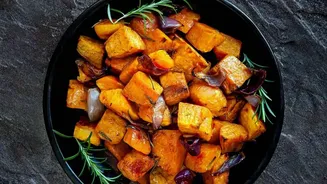

The Myth of the Magic Winter Food
Every winter, we hear about 'superfoods' that promise to revolutionise our health. Whether it's a specific spice, a leafy green, or an exotic berry, the idea of a single food acting as a shield against seasonal illnesses is tempting. However, nutrition
experts consistently advise against this 'magic bullet' approach. Health is a complex system, and no single ingredient can provide the vast range of nutrients our bodies need to function optimally. Relying on one food, no matter how nutritious, can lead to dietary imbalances and may cause you to miss out on other essential vitamins and minerals. The truth is, there are no superfoods, only super diets. True wellness comes from the synergy of different nutrients working together, a principle deeply embedded in traditional Indian food wisdom.
The Power of a Balanced Thali
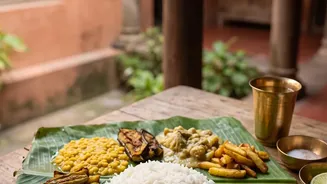
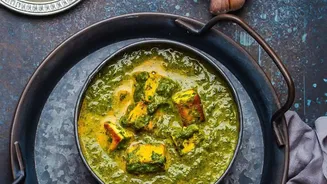
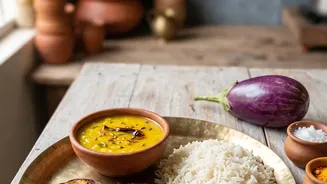
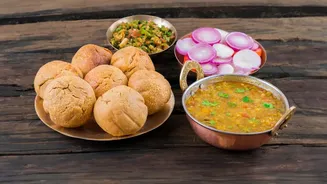
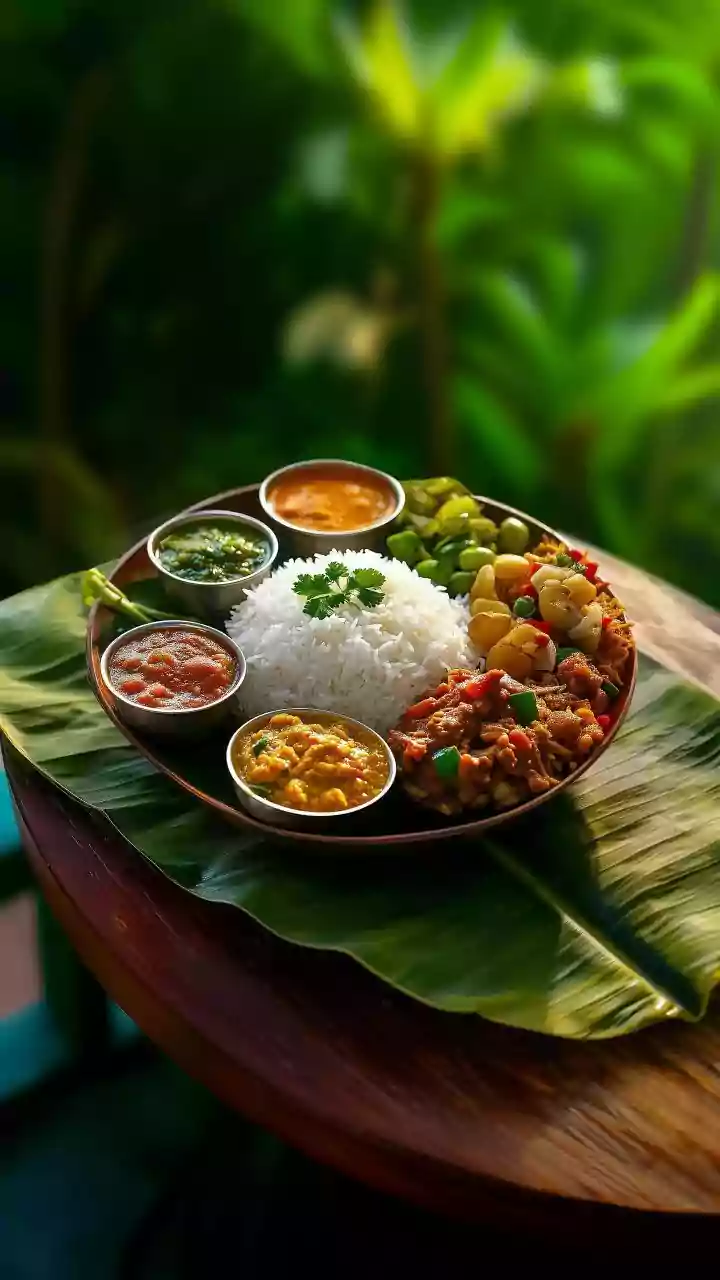
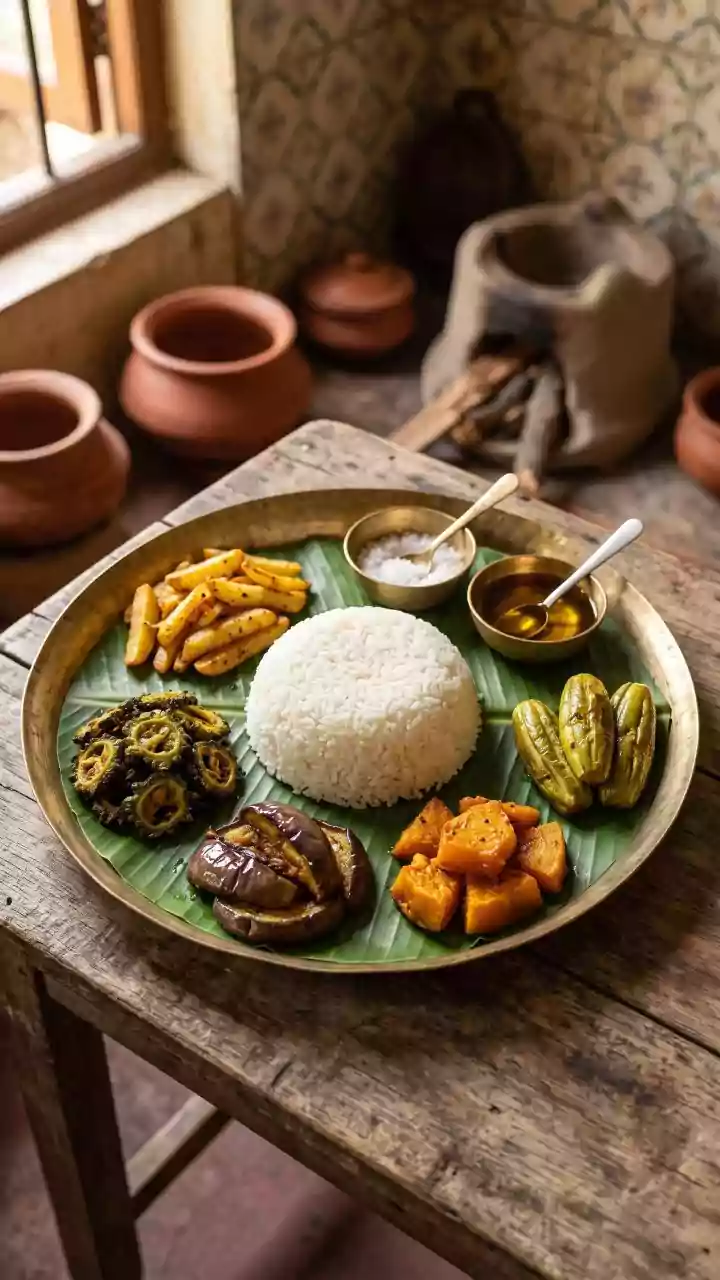
Instead of searching for a single hero ingredient, look at the composition of your entire plate. A balanced Indian meal, with its combination of grains, lentils, vegetables, and fats, is a masterclass in nutritional diversity. During winter, our bodies naturally crave more energy to stay warm, and our digestion is often stronger, making it an ideal time to absorb nutrients from dense foods. The goal should be to build a plate that includes a source of protein (dal, paneer, eggs), fibre from vegetables, carbohydrates from whole grains, and healthy fats. This combination provides sustained energy, supports immune function, and ensures you get a wide spectrum of micronutrients. It's the variety across your meals that truly builds resilience.
Celebrating Traditional Recipes
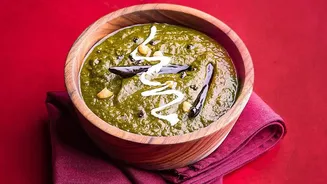
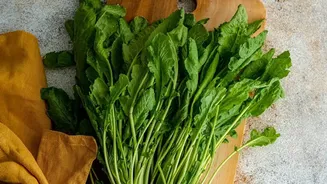
Many traditional Indian winter dishes are, by their very nature, nutritionally balanced. Take Sarson ka Saag, a winter delicacy in North India. It isn’t just mustard leaves; it's often a mix of greens like spinach and bathua, creating a blend rich in vitamins A, C, and K, as well as iron and dietary fibre. This combination supports everything from vision and immunity to bone health and digestion. Paired with Makki ki Roti (a millet flatbread) and a dollop of ghee, it becomes a complete meal that provides energy, protein, and essential fatty acids. The magic isn't in the sarson alone but in the intelligent combination of ingredients that has been perfected over generations.
Nourishing Sweets and Snacks
Winter is also the season for wholesome sweets. Treats like Panjiri or Gond ke Ladoo are more than just indulgences; they are energy-dense foods designed for the cold. Panjiri, made from whole wheat flour, ghee, and loaded with nuts and edible gum (gond), is a powerhouse of healthy fats, protein, calcium, and magnesium. These ingredients are traditionally believed to provide warmth, boost immunity, and support bone and joint health during colder months. Similarly, Gajar ka Halwa, when prepared mindfully, is a delicious way to consume carrots, an excellent source of beta-carotene, which the body converts to vitamin A. The key is mindful consumption and appreciating these sweets as part of a larger, balanced diet.
Embrace the Season's Bounty
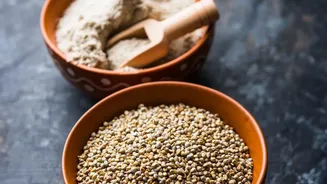
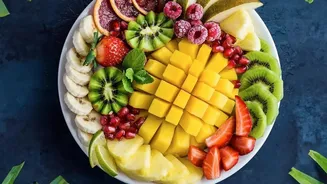
The true guarantee of better health lies in embracing the wide variety of foods that the Indian winter offers. Fill your diet with seasonal vegetables like carrots, beets, turnips, and a spectrum of leafy greens. Enjoy seasonal fruits like oranges, guava, and amla, which are packed with vitamin C to support your immune system. Incorporate warming spices like ginger, turmeric, and cinnamon into your cooking. And don’t forget staples like millets (bajra, jowar), which provide fibre and essential minerals. It's this colourful, diverse, and flavourful tapestry of foods—not a single 'miracle' ingredient—that provides the most robust foundation for winter health.