






1. Master the Art of Mirrors
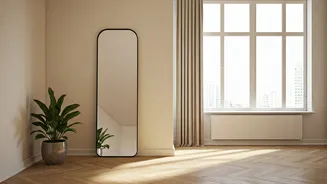
This is the oldest trick in the book for a reason: it works. But placement is everything. Don't just hang a mirror anywhere. Position a large mirror directly opposite your primary light source, whether it's a window or a significant lamp. This will capture
and bounce the light back into the room, effectively doubling its impact. Consider using a collection of smaller, decorative mirrors on a dark wall to break up the surface and scatter light in interesting ways. Mirrored furniture, like a wardrobe or a side table, can also create an illusion of depth and brightness without taking up visual space.
2. Layer Your Lighting Strategically
Relying on a single, harsh overhead light is a common mistake that makes a room feel flat and dim. Instead, think in layers. You need three types of lighting: ambient (overall illumination, like a stylish ceiling fixture), task (focused light for activities, like a reading lamp or under-cabinet lights in the kitchen), and accent (to highlight decor, like a spotlight on a piece of art). By combining floor lamps, table lamps, and even warm-toned LED strips behind a TV or bookshelf, you create pools of light that add warmth, depth, and character, drawing the eye away from shadowy corners.
3. Choose Your Paint Wisely
While painting a room stark white seems like the obvious solution, it can sometimes feel cold and clinical, especially in a room with little natural light to warm it up. Instead of pure white, opt for off-whites with warm undertones (like ivory or beige) or very light pastel shades of grey, blue, or even pale yellow. These colours have a high Light Reflectance Value (LRV), meaning they bounce back most of the light that hits them. Another pro tip: paint your ceiling a shade lighter than your walls. This simple trick draws the eye upward and creates an illusion of height and airiness.
4. Go for 'Leggy' and Low-Profile Furniture
Heavy, bulky furniture that sits directly on the floor can make a room feel weighed down and crowded. Opt for furniture with exposed legs—think sofas, armchairs, and consoles raised on slender legs. This is known as 'leggy' furniture. It allows light and air to flow underneath, creating a sense of openness and making the floor space appear larger. Similarly, choose low-profile pieces, like a low-slung media unit or coffee table, which won't obstruct views or block light, helping to maintain a clear line of sight across the room.
5. Rethink Your Window Treatments
Heavy, dark curtains are the enemy of a light-starved room. Swap them out for lightweight, sheer fabrics like linen, cotton voile, or organza. These materials provide privacy while still allowing precious daylight to filter through. To make your window appear larger and taller, mount the curtain rod as high and wide as possible—several inches above the window frame and extending beyond it on either side. This tricks the eye into perceiving a more expansive window and a higher ceiling, instantly making the room feel grander and brighter.
6. Embrace Reflective Surfaces
Beyond mirrors, incorporate other reflective materials into your decor. Think about glossy finishes for your kitchen cabinets or wardrobe, a glass-topped coffee table, or metallic decor items like brass vases, silver photo frames, or a chrome lamp. These surfaces catch and bounce light around the room, adding subtle sparkle and preventing the space from feeling dull. Even a high-gloss finish on a door or a piece of furniture can make a surprising difference in how light moves through your home.