

Beyond the Usual Peanut Butter
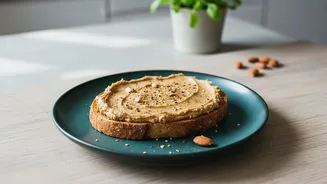
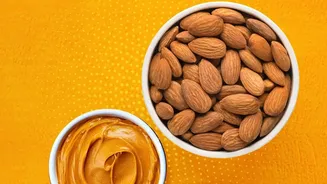
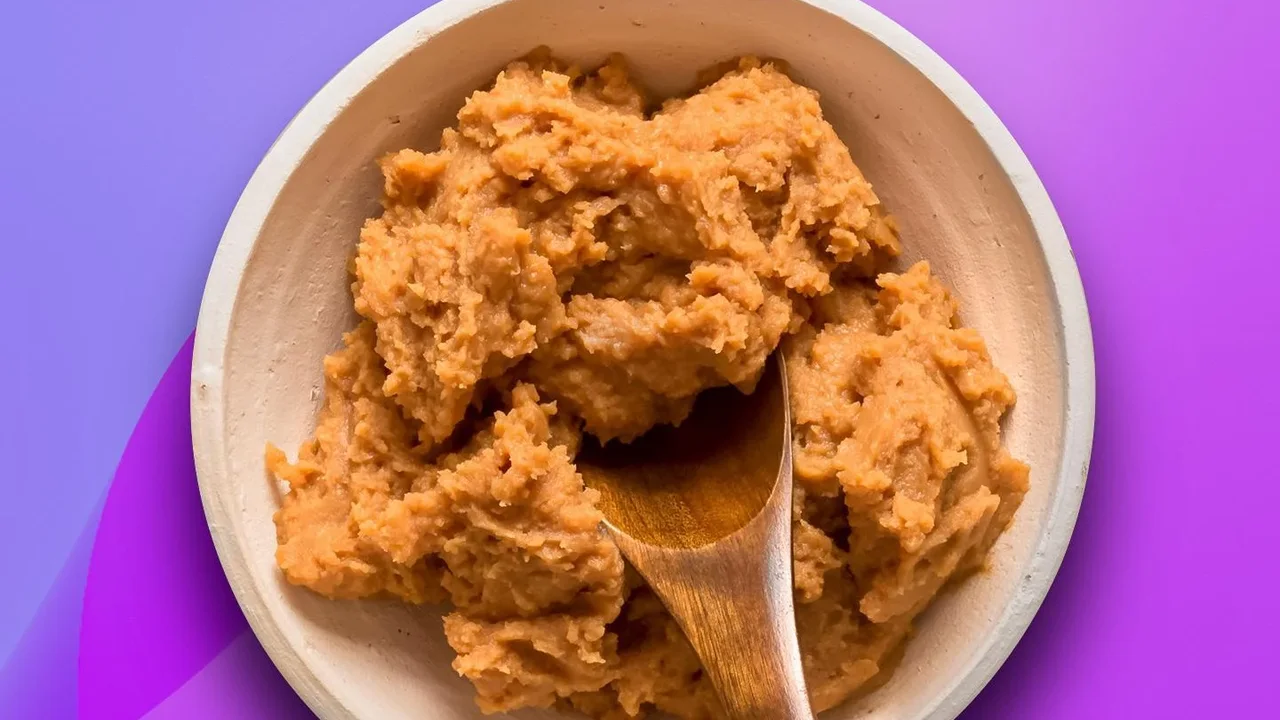
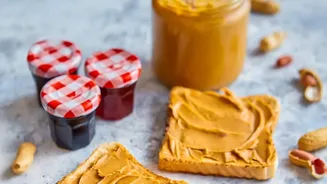
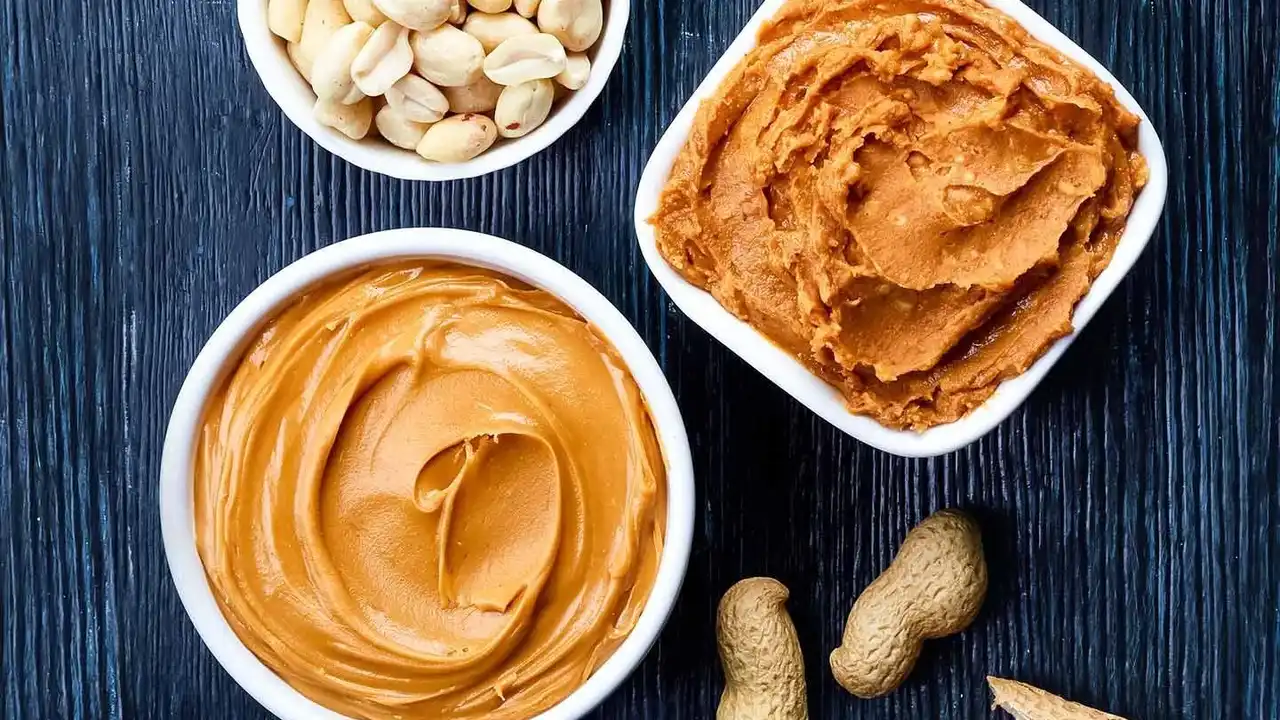
When you think of nut butter, peanut butter is likely the first thing that comes to mind. While it's a popular choice, there is a whole world of delicious and nutritious spreads made from various nuts and seeds. Options like almond, cashew, and walnut
butter are now common on grocery store shelves, each offering a unique flavour and texture. Seed butters, such as those made from sunflower or sesame seeds (tahini), provide fantastic alternatives, especially for those with nut allergies. These butters are packed with protein, healthy fats, and a mix of important nutrients, making them a powerful addition to your diet.
The Protein vs. Sugar Advantage
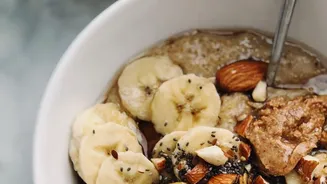
Compared to many traditional fruit dips, nut and seed butters offer a superior nutritional profile. A typical serving (two tablespoons) of natural almond or peanut butter contains around 7 grams of protein and is very low in sugar, especially if you choose brands without added sweeteners. In contrast, many store-bought caramel or chocolate dips are high in added sugars and lack significant protein or fibre. Even some homemade 'healthier' dips that use sweetened yogurt or pudding mix can pack a surprising amount of sugar. By opting for a nut or seed butter, you get a snack that helps keep you full and satisfied thanks to its combination of protein, fibre, and healthy fats, which also helps to manage weight.
A Dash of Spice for Flavour and Health
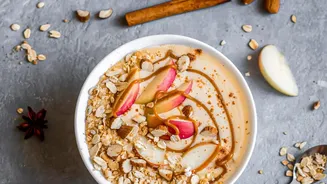
Adding spices to your nut butter not only enhances the flavour without adding sugar but also boosts the health benefits. Spices like cinnamon, cardamom, ginger, and nutmeg can transform a simple spread into a truly special treat. Cinnamon is well-known for its potential to help regulate blood sugar levels and for its anti-inflammatory properties. Cardamom offers its own unique benefits, including aiding digestion and providing antioxidants. Combining these spices can create a synergistic effect, amplifying their health-promoting qualities while delivering a complex and satisfying flavour that pairs beautifully with the natural sweetness of fruit.
Shopping Smart: How to Choose a Better Butter
Not all nut butters are created equal. When shopping, it's crucial to read the ingredient list. The best and healthiest options will have a very short list: just the nuts or seeds, and perhaps a little salt. Be wary of brands that add sugars, hydrogenated oils, or other unnecessary additives. Hydrogenated oils are often used to prevent the natural oil separation and create a creamier texture, but they can introduce unhealthy trans fats. While you might have to stir a natural nut butter before using it, the superior nutritional quality is well worth the minor inconvenience.
Make Your Own: A Simple DIY Spiced Butter
Creating your own spiced nut butter at home is surprisingly easy and allows you to control the ingredients completely. Start with a cup of your favourite raw or roasted unsalted nuts, like almonds or cashews. Place them in a high-powered food processor and blend until a smooth, creamy butter forms. This can take anywhere from 5 to 15 minutes, depending on your machine. Be sure to scrape down the sides periodically. Once it's smooth, add your spices. A good starting point is half a teaspoon of cinnamon and a quarter teaspoon of cardamom or ginger. You can also add a pinch of salt to enhance the flavour. Blend again briefly to combine, then store your homemade butter in an airtight container in the refrigerator.