





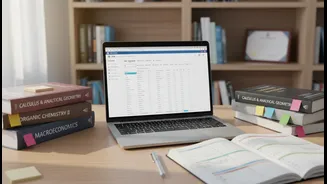


Recreate a Routine and a Space
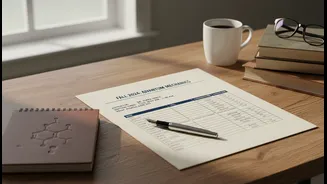
The first challenge of studying at home is the lack of structure. Your home is full of distractions that a classroom isn't, from family members to the temptation of your bed. To combat this, create a dedicated study area. It doesn't need to be a separate
room; even a specific corner of a table can work. The rule is simple: when you are in this space, you study. This helps your brain associate the location with focus. Next, build a routine that mimics a school day. Wake up at a consistent time, schedule blocks for different subjects, and most importantly, schedule your breaks. A written timetable can keep you organized and prevent the day from becoming an aimless blur of half-work, half-distraction.
Master the Pomodoro Technique
Long, unbroken study sessions often lead to burnout and reduced concentration. The Pomodoro Technique is a time management method that combats this by breaking work into focused intervals. Here's how it works: choose a single task, set a timer for 25 minutes, and work on it without interruption. When the timer rings, take a short 5-minute break. After four of these cycles (or 'Pomodoros'), you take a longer break of 15-30 minutes. This method is effective because it creates a sense of urgency, making it easier to start a task you might be procrastinating on. Those short, planned breaks are crucial for keeping your mind fresh and preventing mental fatigue, allowing you to study smarter, not just harder.
Shift from Passive to Active Studying
Many students study by passively re-reading notes or textbooks, a method that research shows is not very effective for long-term memory. A far more powerful strategy is active recall, which involves actively pulling information from your brain. Instead of just reading a chapter, try to summarise its key points in your own words afterward. Create and use flashcards, making sure to try and answer the question before flipping it over. Another powerful technique is to teach the concept to someone else, even if it's just to an empty chair. Explaining a topic out loud forces you to truly understand it and identify gaps in your knowledge.
Use Digital Tools Wisely
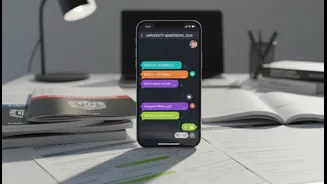
Technology can be your biggest distraction or your most powerful study aid. The key is to be intentional. Use apps and websites that block distracting social media and news sites during your scheduled study blocks. At the same time, explore the vast world of educational resources online. Use digital flashcard apps like Anki or Quizlet, which often incorporate spaced repetition—a technique where you review information at increasing intervals to lock it into long-term memory. Form online study groups with classmates to discuss difficult concepts, quiz each other, and maintain a sense of community, which can combat the isolation that often comes with remote learning.
Prioritise Breaks and Well-Being
It might sound counterintuitive, but one of the best ways to improve your studying is to take effective breaks. When your 5-minute Pomodoro break starts, don't just switch to scrolling on your phone. Stand up, stretch, walk around, or get a glass of water. These physical resets are much more restorative. Furthermore, maintaining a healthy balance is crucial for avoiding burnout. Ensure you're getting enough sleep, eating properly, and getting some form of physical exercise. Studying from home can blur the lines between school and personal life, so it's important to schedule time for hobbies and relaxation. A well-rested brain is a much more effective learning machine.