





The Challenge of Paradise
The very success of Kerala's tourism has created a significant challenge: waste. A high population density combined with a flourishing tourism sector means that managing garbage, especially plastics, is a critical issue threatening the pristine landscapes
that draw millions. For years, the approach in many tourist destinations worldwide has been to hide the problem—tuck waste facilities away and hope visitors don't see the mess. However, Kerala is flipping that script. As part of a larger state-wide push called 'Malinya Muktham Nava Keralam' (Garbage-Free New Kerala), the state is integrating waste management directly into its tourism policy. The goal isn't just to clean up; it's to create a transparent, sustainable system that everyone, including tourists, can see and participate in.
Green Check Posts and Green Marshals
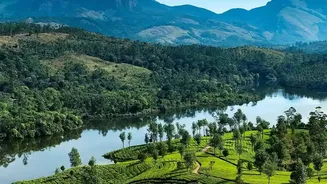
A key component of this new strategy is the introduction of 'green check posts' at the entry points of major hill stations like Munnar and Vagamon. Instead of a simple toll, these posts serve as the first point of interaction in a destination-wide green protocol. Here, members of the 'Haritha Karma Sena' (Green Army) or newly appointed 'Green Marshals' engage with tourists. They might inspect vehicles for single-use plastics, offer cloth bags in exchange, and collect a user fee specifically designated for funding local waste collection and processing. In some areas, a deposit system for plastic bottles is being trialled, where money is returned if the bottle is brought back to the checkpoint on departure. This makes waste management an upfront, unavoidable part of the travel experience.
From Nuisance to Education
By bringing waste management out of the shadows, Kerala is making a powerful statement. The strategy is built on the principles of transparency, education, and shared responsibility. Rather than simply telling tourists to 'not litter', the state is showing them precisely how their cooperation contributes to preserving the destination's beauty. The Green Marshals, for example, are not just enforcement officers; they are trained guides who can provide information on local eco-friendly businesses, promote responsible travel habits, and connect visitors with the local culture. This approach transforms waste from a hidden nuisance into a visible, solvable problem, fostering a sense of partnership between the local community and the visitors.
What This Means for the Tourist
For a visitor to Kerala, this shift is becoming increasingly noticeable. It means seeing clearly marked bins for segregated waste, interacting with friendly Green Marshals in distinct uniforms, and potentially paying a small green fee to enter a pristine area. It also means having the opportunity to choose accommodations and experiences that are certified as green and sustainable. The government is actively promoting 'Green Tourism Destinations' that adhere to strict protocols for hygiene, cleanliness, and sustainable waste practices. This doesn't mean your holiday is turned into a chore. Instead, it offers a more profound travel experience, where you can actively contribute to the well-being of the place you are visiting and leave it as beautiful as you found it.
A Model for India and Beyond?
Kerala's approach is a bold experiment in sustainable tourism. By directly linking tourist footfall to the capacity for waste management, the state is creating a model that other ecologically sensitive regions in India could potentially follow. The idea of regulating visitor inflow based on a destination's carrying capacity is a progressive step that prioritizes long-term environmental health over short-term commercial gains. The success of initiatives like the Responsible Tourism (RT) Mission, which has been in place for years, provides a strong foundation for these new measures. The state is investing significantly in biogas plants for homestays, carbon-neutral packages, and training programs to ensure the system is robust and effective. If successful, this model could prove that environmental stewardship and a world-class tourism industry don't have to be mutually exclusive; they can be two sides of the same coin.