



The Summer Workout Problem: Why Cramps Happen
Exercising in the heat means you sweat more, which is your body’s way of cooling down. However, this sweat isn't just water; it's also packed with essential minerals called electrolytes, such as sodium, potassium, calcium, and magnesium. While researchers
are still exploring the exact causes of exercise-associated muscle cramps, a leading theory points to dehydration and electrolyte imbalances. When you lose too many of these vital minerals, particularly sodium and potassium, it can disrupt the electrical signals that control muscle contractions and relaxation, leading to those sudden, involuntary, and painful cramps. Drinking plain water after significant sweat loss can sometimes make things worse by further diluting the electrolytes in your body.
Nature's Go-To: The Power of Coconut Water
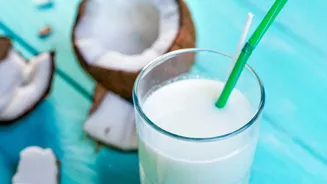
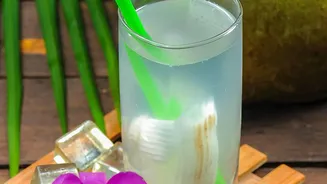
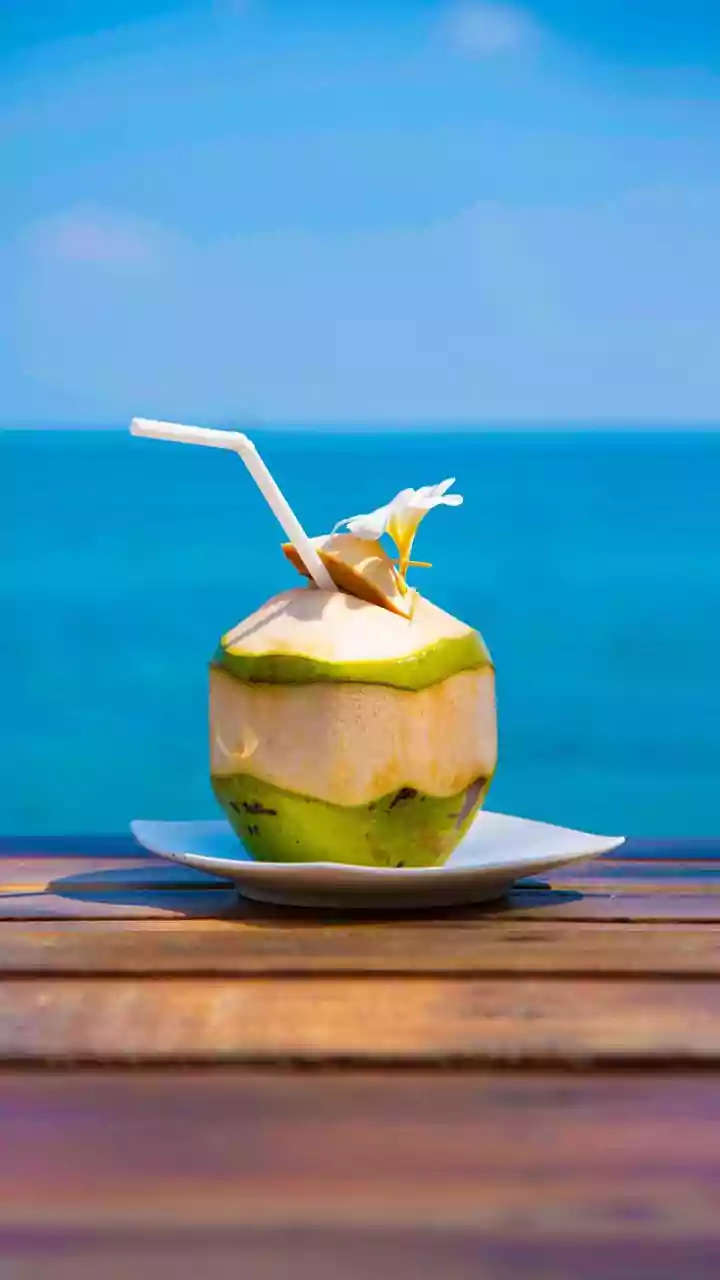
Coconut water has surged in popularity as a natural alternative to commercial sports drinks. It's often called "nature's sports drink" for a good reason. It is naturally rich in electrolytes, especially potassium. A single serving can contain more potassium than a banana, a mineral that plays a crucial role in muscle relaxation. Potassium works inside your muscle cells to help them reset after a contraction. By providing a healthy dose of potassium, coconut water can help pre-load your muscles with one of the key electrolytes needed for proper function, potentially keeping cramps from starting in the first place. It also contains other helpful electrolytes like magnesium, calcium, and phosphorus.
The Missing Piece: Why You Need to Add Salt
While coconut water is a potassium powerhouse, it is naturally low in sodium. During an intense, sweaty workout, you lose a significant amount of sodium through your sweat. Sodium is the other half of the muscle function equation; it's the primary electrolyte found outside your cells and is essential for triggering muscle contractions and maintaining fluid balance. The interplay between sodium and potassium, often called the sodium-potassium pump, is fundamental for nerve signaling and muscle performance. If you only replenish potassium without replacing the lost sodium, the imbalance can persist, and your muscles may still be susceptible to cramping. Adding a pinch of salt (sodium chloride) to your coconut water creates a more complete electrolyte profile that better mimics what your body loses during exercise.
Your DIY Anti-Cramp Elixir: How to Make It
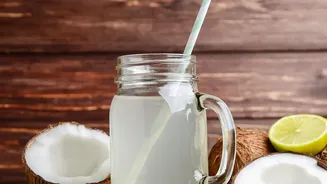
Creating this natural workout drink is incredibly simple. For a basic and effective mix, you only need two ingredients. Start with about 250-350 ml of pure, unsweetened coconut water. Add a small pinch of sea salt or Himalayan pink salt—about 1/8 to 1/4 of a teaspoon. These unrefined salts are often preferred as they contain trace amounts of other minerals. Stir until the salt is completely dissolved. For extra flavour and a bit of natural sugar for energy, you can add a squeeze of fresh lime or a teaspoon of raw honey. The ideal time to drink this is before and during your workout, especially if you know you'll be exercising for a long time or in high heat. This helps to proactively replenish the electrolytes you are about to lose.
A Natural Choice, But Drink in Moderation
Compared to many commercial sports drinks, this DIY mix is free from artificial colours, flavours, and high-fructose corn syrup. However, moderation is key. Because of its high potassium content, consuming excessive amounts of coconut water can lead to a condition called hyperkalemia (dangerously high potassium in the blood), which can cause muscle weakness or heart rhythm issues. This risk is low for most healthy individuals but is a concern for those with kidney problems or certain heart conditions. For the average person enjoying a summer workout, a single serving of salt-infused coconut water is a safe and effective way to stay hydrated and support muscle function.