







The Natural Allure of Fruit Peels
It’s easy to see why fruit peels have become a popular home remedy. The skins of fruits like oranges, papayas, and bananas are packed with beneficial compounds. Oranges, for instance, are rich in Vitamin C, which can help brighten skin and improve collagen
production. Papaya contains an enzyme called papain, which acts as a gentle exfoliant to slough away dead skin cells. Even banana peels are noted for their antioxidant and soothing properties. These ingredients promise a fresh, glowing complexion using items you already have in your kitchen, making it a seemingly perfect, low-cost beauty treatment.
Why Winter Changes the Game
Winter weather presents a unique challenge for our skin. The combination of cold, dry air outside and indoor heating creates an environment that strips the skin of its natural moisture. This weakens the skin's protective barrier, leaving it more vulnerable, sensitive, and prone to dryness and irritation. A compromised barrier can't hold onto hydration effectively and is more susceptible to damage from external factors—including potent skincare ingredients. Experts note that during these months, the priority should be to preserve moisture and avoid anything that could cause further irritation.
The Risks of Raw and Acidic Peels
Applying certain fruit peels directly to your face, especially in winter, can be risky. Citrus peels, like lemon and orange, are highly acidic. Rubbing them on skin that is already dry and sensitive can disrupt its natural pH balance, leading to redness, stinging, and peeling. Worse yet, compounds in citrus oils can cause phytophotodermatitis, a chemical burn-like reaction that occurs when the treated skin is exposed to sunlight, potentially leaving behind long-lasting dark patches. While papaya is gentler, its exfoliating enzyme, papain, can still cause irritation if overused or left on for too long, particularly on a compromised winter skin barrier.
Smarter Ways to Use Fruit Peels
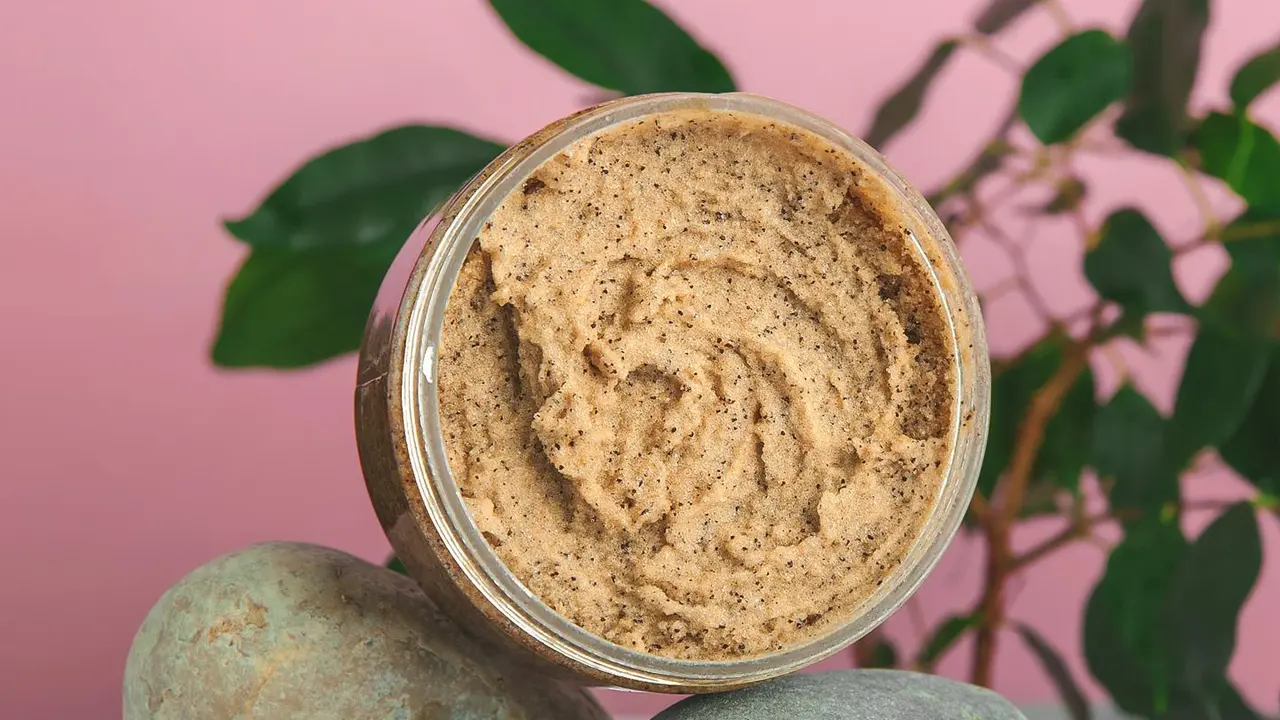
You don't have to give up on fruit-based skincare entirely; you just need a gentler approach. Instead of rubbing peels directly on your face, consider processing them first. Drying and grinding orange or pomegranate peels into a powder allows you to mix them with a soothing, hydrating base. Combining a small amount of fruit peel powder with ingredients like yogurt, honey, or oatmeal creates a nourishing mask that buffers the potent effects. Yogurt contains lactic acid, a mild exfoliant, while honey has anti-inflammatory and antibacterial properties, offering a more balanced treatment. Always perform a patch test on your inner arm before applying a new mixture to your face to check for sensitivity.
Gentle Fruit Choices for Winter
Not all fruit peels are created equal, especially when your skin is feeling fragile. For winter, favour peels known for their hydrating and soothing properties. Banana peel, rich in potassium and antioxidants, can be gently rubbed on the skin for a brief period to soothe and moisturise. Avocado peel is another excellent choice, containing natural oils and vitamins that deeply nourish dry skin. Papaya is also a good option, but it's best to use the peel from a ripe fruit for a shorter duration—no more than 10 minutes—to get the gentle exfoliating benefits without stripping the skin. It's wise to limit any form of exfoliation to once or twice a week during colder months.
Aftercare Is Non-Negotiable
What you do after using any kind of exfoliant is just as important as the treatment itself. After rinsing off your DIY mask with lukewarm—never hot—water, immediately apply a rich, hydrating moisturiser to replenish your skin's barrier. Look for ingredients like ceramides, hyaluronic acid, or shea butter to lock in moisture. Exfoliated skin is also more sensitive to the sun, so applying a broad-spectrum sunscreen is crucial, even on cloudy winter days. If you experience any redness or irritation, give your skin a break and focus solely on gentle cleansing and moisturising until it recovers.