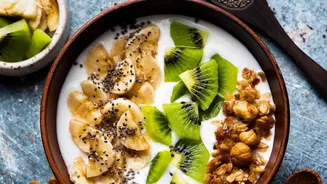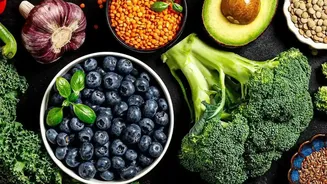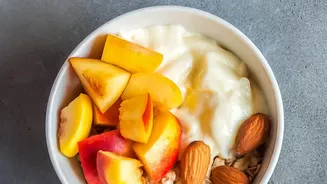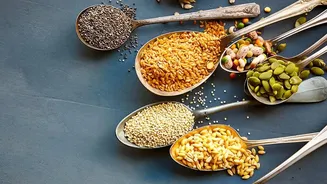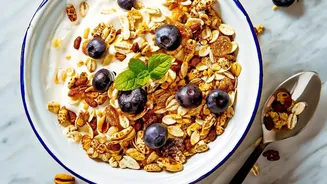



Starting your day with a blood-sugar-friendly breakfast is crucial for managing diabetes. While oats and curd are great bases, adding a spoonful of the right seeds can elevate your meal from good to exceptional for metabolic health.
1. Chia Seeds: The Fibre Powerhouse
Chia seeds are tiny
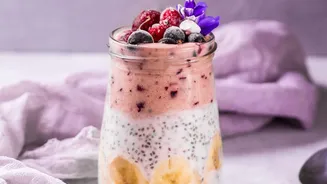
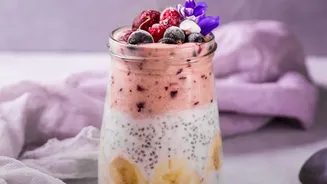
nutritional giants perfect for a diabetes-friendly diet. They are exceptionally high in soluble fibre, which forms a gel-like substance in your stomach. This process slows down digestion and the absorption of carbohydrates, preventing sharp spikes in blood sugar after your meal. A two-tablespoon serving packs about 10 grams of fibre. Furthermore, chia seeds are a great source of alpha-linolenic acid (ALA), a plant-based omega-3 fatty acid that helps reduce inflammation, a common issue in type 2 diabetes. They are also rich in magnesium, a mineral vital for insulin sensitivity. Their ability to absorb liquid makes them an ideal mix-in for curd or overnight oats, creating a pudding-like texture that boosts satiety and helps with weight management.
2. Flax Seeds: For Better Insulin Sensitivity
Flax seeds are another excellent choice, celebrated for their unique nutritional profile. They are one of the richest sources of lignans, which are plant compounds with powerful antioxidant properties that can improve insulin sensitivity. Like chia seeds, flax seeds are loaded with soluble fibre, which slows down glucose absorption into the bloodstream, helping maintain stable blood sugar levels. Studies have shown that regular consumption of flax seeds can help lower fasting blood glucose. For your body to fully absorb their nutrients, it is best to consume flax seeds in their ground form. Sprinkling a tablespoon of ground flaxseed into your morning curd or hot oatmeal is an easy way to harness their benefits without significantly altering the taste.
3. Pumpkin Seeds: The Magnesium Boost
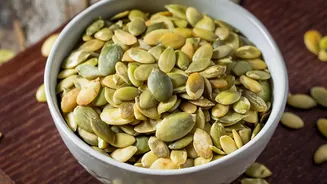
Often overlooked, pumpkin seeds (pepitas) are a fantastic addition to a diabetic breakfast. Their standout nutrient is magnesium, which plays a crucial role in over 300 bodily processes, including glucose metabolism and insulin regulation. Diets rich in magnesium are associated with a lower risk of type 2 diabetes, and these seeds are one of the best natural sources. Pumpkin seeds also provide healthy fats, fibre, and zinc, another mineral essential for pancreatic function and insulin synthesis. With a very low glycemic index, they won't cause your blood sugar to rise. Enjoy them raw or lightly roasted, sprinkled over your yogurt or oatmeal for a satisfying crunch and a powerful nutrient punch. A daily serving of about a quarter cup is recommended.
4. Sunflower Seeds: Rich in Vitamin E
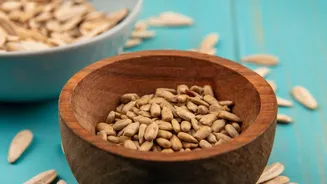
Sunflower seeds offer a delightful nutty flavour and a host of benefits for blood sugar management. They are an excellent source of vitamin E, a potent antioxidant that helps combat inflammation and oxidative stress, both of which are linked to diabetes complications. These seeds are also packed with protein, healthy fats, and fibre, a combination that slows stomach emptying. This gradual digestion helps blunt the effect of carbohydrates on your blood sugar. Some studies have even suggested that daily consumption of sunflower seeds may help reduce fasting blood sugar levels over time. To keep them healthy, choose unsalted, raw, or dry roasted sunflower seeds and stir them into your breakfast for added texture and flavour.
5. Sesame Seeds: For Antioxidant Support
Sesame seeds, though small, are mighty. They contain unique antioxidants called sesamin and sesamolin, which are not found in many other foods. These compounds help fight oxidative stress, which can damage pancreatic cells and worsen insulin resistance. Research indicates that sesame consumption can lead to significant decreases in fasting blood sugar and HbA1c, a marker for long term glucose control. They are also a good source of magnesium, healthy fats, and fibre. You can sprinkle whole sesame seeds over your curd or even use tahini (a paste made from ground sesame seeds) as a creamy, low carb base for a savoury breakfast bowl.