


The Glow of Earthen Diyas
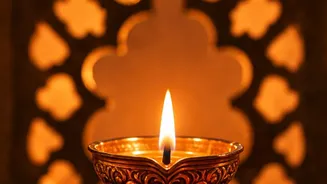
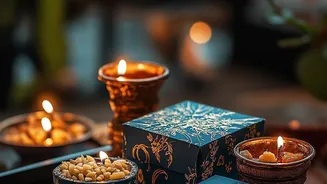
The simple clay diya is perhaps the most quintessential element of Indian festive decor. Made from baked earth, these small lamps are inherently eco-friendly. Unlike plastic or battery-operated lights, they are fully biodegradable, returning to the earth without
a trace. Their warm, flickering glow creates an unmatched ambiance that connects us to generations of tradition. After the festivities, they can be reused or will naturally break down, making them a perfect example of zero-waste celebration. You can even find artisans who paint them with natural colours, adding another layer of handcrafted charm.
Heirloom-Worthy Brass and Copper
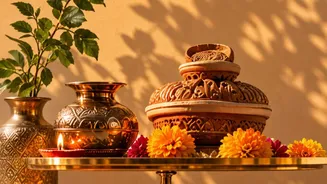
Investing in brass and copper decor is an investment in forever. Items like brass diyas, urlis (decorative bowls), bells, and serving platters are not meant to be used once and discarded. These metals are considered sacred and auspicious in Indian culture, believed to radiate positive energy. With their durability and timeless appeal, they become family heirlooms passed down through generations. An urli filled with water and floating flowers or candles can become a stunning, reusable centrepiece for any festival, from Diwali to Navratri. A little care, like cleaning with natural substances such as lemon or tamarind, keeps them shining for years.
Fresh and Fragrant Floral Decor
Flowers are nature's own decorations. Traditional torans (door hangings) and garlands made from fresh marigolds, jasmine, roses, and mango leaves add vibrant colour and natural fragrance to any home. These decorations are completely biodegradable and can be composted after they wilt, enriching the soil instead of polluting a landfill. While single-use plastic garlands have become common, opting for real flowers supports local vendors and revives a tradition that is both beautiful and in complete harmony with nature. For a longer-lasting option, torans made from fabric, jute, or wooden beads can be carefully stored and reused for many years.
The Art of Natural Rangoli
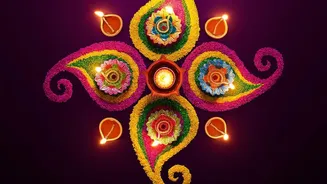
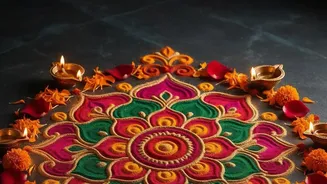
Before synthetic powders became available, rangoli designs were created using everyday kitchen ingredients. This beautiful art form can be made entirely waste-free by using rice flour for white, turmeric for yellow, kumkum for red, and dried, crushed leaves for green. Flower petals of different colours can also be used to fill in patterns, creating a design that is rich in texture and scent. This practice is not only environmentally friendly but also carries a beautiful sentiment in some traditions, where rice flour rangolis are seen as an offering to ants and birds.
The Richness of Reimagined Textiles
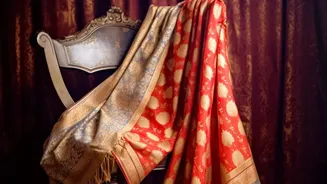
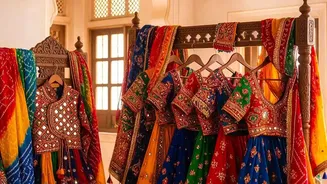
Your own collection of textiles can be a treasure trove of festive decor. Old silk sarees with rich zari borders, colourful dupattas, or blockprinted fabrics can be repurposed into stunning decorative elements. Drape them over doorways, use them as vibrant table runners, or create unique cushion covers to instantly add a festive feel to your living space. This approach not only saves money but also gives a second life to cherished fabrics that hold personal memories. Instead of buying new, massproduced items, you create a look that is unique, personal, and completely sustainable.