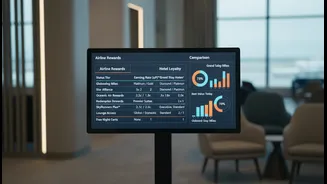









The Power of Connected Rewards
The key to maximising travel savings is to stop thinking about loyalty programs in isolation. The real value lies in creating a connected ecosystem where your spending, flying, and staying all feed into a central pool of points. Start with your primary
travel credit card. In India, several cards act as powerful hubs. For instance, cards like the HDFC Diners Club Black or Axis Atlas allow you to transfer your reward points to multiple airline and hotel partners. This flexibility is crucial. Instead of being locked into one airline, you can transfer points to whichever program—be it Air India's Flying Returns, Singapore Airlines' KrisFlyer, or a hotel program like Marriott Bonvoy—offers the best redemption value for your specific trip. The strategy is simple: identify your most frequent travel patterns (domestic or international, specific airlines or hotel chains) and choose a credit card that partners with those brands. This connects your daily spends to your travel goals, turning grocery shopping into potential flight upgrades.
Decoding Airline Miles and Hotel Points
Not all points are created equal. Airline and hotel loyalty programs are free to join and are essential tools for any traveller. For domestic travel, IndiGo's 6E Rewards and Air India's revamped Flying Returns (now Maharaja Club) are dominant players. Internationally, Emirates Skywards and Singapore Airlines KrisFlyer are extremely popular among Indians. The secret is to earn strategically and burn wisely. Redeeming miles for business class tickets often provides exponentially more value than for economy seats. Similarly, hotel programs like Marriott Bonvoy, World of Hyatt, and IHG One Rewards can offer free nights, complimentary breakfast, and late check-outs, which are valuable perks, especially in expensive cities. Many hotel programs also have co-branded credit cards in India, such as the Marriott Bonvoy HDFC Credit Card, which can grant you elite status and free nights just for signing up and meeting a spend threshold.
The New Currency: Booking Flexibility
Post-pandemic travel has taught us that plans can change. Today, booking flexibility is as valuable as a low price. When booking flights, look for 'flexi fares'. These may cost slightly more upfront but allow you to change your travel dates with minimal or no penalty, though you may have to pay the fare difference. For accommodation, always check the cancellation policy before you book. Many hotel websites and booking platforms offer 'free cancellation' rates, which let you cancel up to a day or two before your stay without charge. This is a safety net you shouldn’t ignore. Travel insurance, once an afterthought, is now a critical component of any trip, covering unforeseen cancellations, medical emergencies, and other disruptions.
Practical Choices for Every Trip
To bring it all together, think like a savvy travel manager. Be flexible with your travel dates; flying mid-week is often cheaper than on weekends. Consider indirect flights if you're not in a hurry, as they can be significantly more affordable. For accommodation, staying just outside the main tourist centre can drastically reduce costs without much inconvenience, especially in cities with good public transport. Before every booking, do a quick comparison across different platforms. Sometimes, booking a flight and hotel together as a package deal can unlock extra savings. Finally, always enter your frequent flyer and hotel loyalty numbers during booking, even when using a travel agent, to ensure you never miss out on earning points.