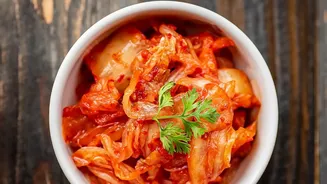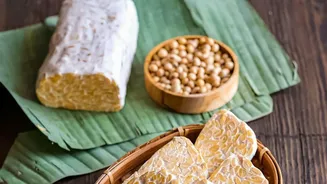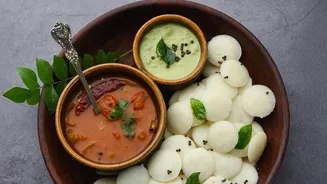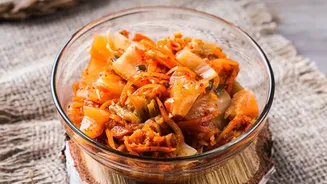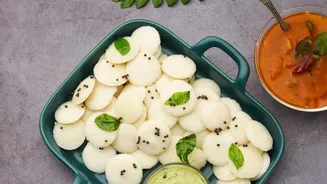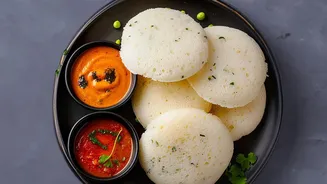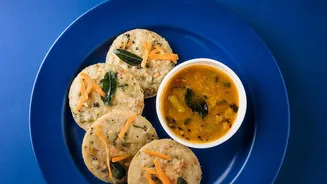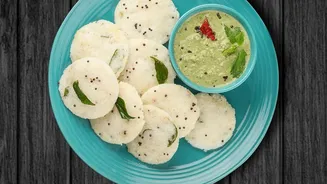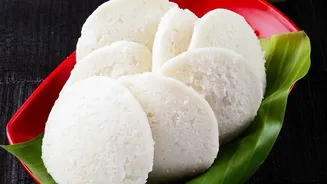





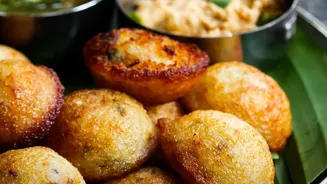
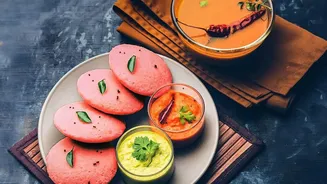
The comforting aroma of freshly made idlis and dosas is a staple in many Indian households. But beyond their delicious taste lies a powerful secret for better health: the age-old tradition of fermentation that profoundly benefits your digestion.
Your Gut: A Complex Inner World
Think
of your gut as a bustling city populated by trillions of microorganisms, including bacteria, fungi, and viruses. This community is known as the gut microbiome. A healthy and diverse microbiome is crucial not just for digestion, but for overall well-being, influencing everything from your immune system to your mood. In fact, about 70% of your immune system resides in your gut. When the balance of good and bad bacteria is disrupted, it can lead to issues like bloating, gas, and indigestion. This is where the wisdom of traditional diets, particularly the fermented foods of South India, comes into play.
The Magic of Fermentation
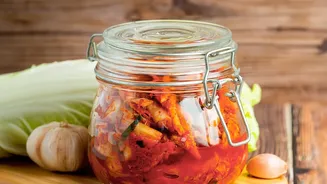
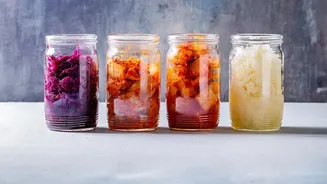
Fermentation is a natural process where microorganisms like bacteria and yeast break down the sugars and starches in food. This process not only preserves the food but also transforms it, making it more nutritious and easier to digest. During fermentation, beneficial bacteria, often called probiotics, multiply. These are the ‘good guys’ that help restore balance to your gut. The process also breaks down complex compounds, effectively pre-digesting the food, so your body doesn't have to work as hard to absorb its nutrients. This transformation is what makes fermented foods lighter on the stomach and incredibly beneficial for digestive health.
Idli and Dosa: Probiotic Powerhouses
Idli and dosa are perhaps the most famous examples of South Indian fermented foods. The batter, made from a combination of rice and urad dal (black gram), is left to ferment for several hours. This allows naturally occurring lactic acid bacteria, such as Lactobacillus and Leuconostoc, to flourish. These bacteria are instrumental in breaking down the carbohydrates and proteins, which reduces bloating and makes the nutrients more available for absorption. While the heat from steaming or cooking does reduce the live probiotic count, the beneficial byproducts and metabolites created during fermentation remain. Furthermore, the fibre from the rice and dal acts as a prebiotic, which is essentially food for the good bacteria already in your gut, helping them thrive.
Beyond the Classics: More Gut-Friendly Favourites
The world of South Indian fermented foods extends well beyond idli and dosa. Pazhaya Soru, or fermented rice, is a humble yet potent dish made by soaking leftover cooked rice in water overnight. This simple act of fermentation dramatically increases its nutritional profile, boosting levels of iron, B vitamins, and beneficial bacteria. Studies have shown it can improve gut health and even help manage conditions like Irritable Bowel Syndrome (IBS). Other nourishing options include curd rice and neer mor (spiced buttermilk), both of which soothe the digestive system and deliver a healthy dose of probiotics. These dishes have been staples for generations, keeping people cool, hydrated, and energised.
How It All Works Together For You
Incorporating these traditional foods into your diet is a simple and effective way to support your digestive system. The probiotics from fermentation help maintain a healthy gut lining, which acts as a barrier against harmful pathogens. This not only improves digestion but also strengthens your overall immunity. The process enhances the bioavailability of nutrients like iron, calcium, and B vitamins, meaning your body can absorb and use them more efficiently. Regular consumption of these dishes helps create a diverse and resilient gut microbiome, which has been linked to a lower risk of several lifestyle diseases.