



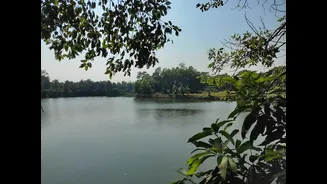
Across India's bustling cities, many rivers and lakes have become neglected dumping grounds. But beneath the surface of polluted water lies a powerful opportunity to revive not just the waterway, but the entire urban ecosystem.
The Forgotten Lifelines of Our Cities
For decades, many of India's
urban waterways have been treated as little more than drains. Rivers and lakes that were once the heart of a community became choked with industrial effluents, municipal sewage, and solid waste. Encroachment has narrowed their channels, while concrete walls have replaced natural, life-sustaining banks. This degradation turns them into ecologically 'dead zones', unable to support aquatic life and posing health risks to nearby residents. These forgotten lifelines, however, hold immense potential. Projects across the country, from the Mithi River in Mumbai to lakes in Chennai and Delhi, are proving that with dedicated effort, these water bodies can be brought back to life.
The Blueprint for Rebirth
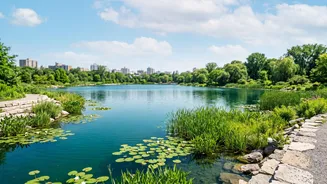
Rejuvenating an urban waterway is a complex but rewarding process that goes far beyond simple clean-up drives. It starts with stopping pollution at its source by regulating industrial discharge and treating municipal wastewater before it enters the river or lake. This is often followed by de-silting the bed to remove accumulated sludge and contaminants. One of the most critical steps is ecological restoration. This involves replacing concrete embankments with natural, sloped banks and planting native vegetation. These plants help to filter runoff, prevent soil erosion, and create crucial habitats. In some cases, innovative techniques like floating wetlands—artificial islands of vegetation—are used to naturally purify water and provide sanctuary for wildlife.
If You Restore It, The Birds Will Come
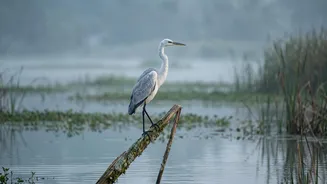
The return of birds is one of the most visible and heartening signs of a successful waterway restoration. A cleaner water body means a resurgence of the entire food web. Fish, aquatic insects, and amphibians return, providing a rich food source for a variety of birds. The restored vegetation along the banks offers safe nesting grounds and cover from predators. Delhi's Sanjay Van is a prime example. Once a degraded area, dedicated restoration of its lakes and forest has led to the return of over 200 bird species. Wetland birds like the Indian Spot-billed Duck, Eurasian Moorhen, and Black-winged Stilt are drawn to the newly available water habitats. Woodland species such as the Black-rumped Flameback and various flycatchers thrive in the regenerated greenery along the water's edge.
A Ripple Effect of Biodiversity
The benefits extend far beyond our feathered friends. A healthy waterway creates a 'blue-green corridor' that acts as a highway for all kinds of urban wildlife. Butterflies, dragonflies, and other insects flourish, which in turn pollinate plants and provide food for other animals. Mammals like the mongoose and golden jackal, and various reptiles, also benefit from the healthier, more complex habitat. This interconnected web of life boosts the city's overall biodiversity, making the urban ecosystem more resilient to shocks like climate change. By creating these thriving natural pockets, cities can support a surprising variety of life, proving that nature can flourish even in densely populated areas when given a chance.
More Than Just Nature's Gain
Restoring urban waterways is a profound investment in public wellbeing. These rejuvenated spaces become invaluable community assets, offering residents places for recreation, relaxation, and connecting with nature. Projects like the Sabarmati Riverfront in Ahmedabad and the Mula-Mutha in Pune have transformed neglected riverbanks into vibrant public parks and promenades. These green spaces help mitigate the urban heat island effect, improve local air quality, and aid in groundwater recharge. For residents, the benefits are tangible: improved mental and physical health, reduced flood risk, and a renewed sense of civic pride in a city that values its natural heritage.