






What Are BS-VII Norms?
Bharat Stage Emission Standards (BSES) are rules set by the government to regulate the output of air pollutants from vehicle engines. Following the nationwide implementation of BS-VI in 2020, the Ministry of Road Transport and Highways has now issued
a draft notification for the next level: BS-VII. These proposed regulations are designed to make new vehicles even cleaner by tightening the limits on harmful emissions and introducing new areas of compliance. The draft is currently open for public feedback before the rules are finalised, indicating a consultative approach to this significant policy shift.
Beyond the Tailpipe: What's New?
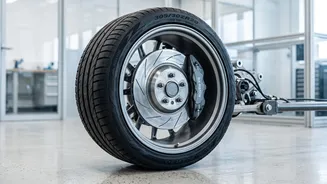
The jump to BS-VII is about more than just stricter exhaust limits. For the first time, the regulations will address non-exhaust emissions. This includes particulate matter released from brake wear and tyre abrasion, which contribute to air pollution regardless of a vehicle's engine type. The proposal also includes requirements for on-board monitoring systems to continuously track a vehicle's emissions in real-time. For electric vehicles, new rules on battery durability are proposed, ensuring they retain a certain percentage of their performance over several years and kilometres. This holistic approach aims to cover a wider spectrum of a vehicle's environmental impact.
The Proposed Phased Rollout
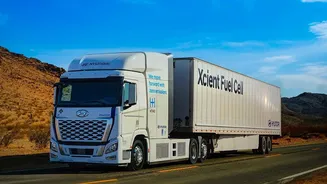
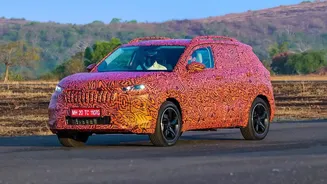
The government has proposed a staggered implementation timeline. Phase one is set to begin on April 1, 2029, for newly manufactured passenger cars and SUVs (M1 category). This will be followed by light commercial vehicles, such as small goods carriers and pickup vans (N1 category), from April 1, 2030. Finally, heavy-duty commercial vehicles like buses and trucks (M2, M3, N2, N3 categories) are proposed to come under the new norms from April 1, 2031. Further tightening of rules, including for non-exhaust emissions, is planned in subsequent phases through 2035.
Why Commercial Vehicles Get More Time
The later deadline for commercial vehicles acknowledges the unique challenges faced by the transport and logistics sector. Heavy-duty diesel engines are more complex and costly to upgrade to meet significantly stricter emission standards. This extended timeline provides manufacturers with the necessary lead time for research, development, and rigorous testing of new technologies for these workhorse vehicles. It also gives the transport industry, which forms the backbone of the economy, more time to plan for the transition, mitigating potential disruptions and the financial burden of higher vehicle costs. The durability requirements for these vehicles are also much greater, with some proposed to be compliant for up to 875,000 km or 15 years.
The Road Ahead for Automakers
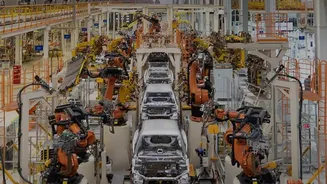
The automotive industry has voiced concerns over the proposed timelines, suggesting the schedule is ambitious. Manufacturers argue that significant engineering resources will be needed to meet the new BS-VII requirements, which could divert focus from electric vehicle development and affect product launch plans. Unlike the BS-VI transition, the new norms will not require major changes to fuel refinery infrastructure. Instead, the onus falls squarely on automakers to innovate and invest in advanced engine and emission-control technologies, which may lead to an increase in the cost of new vehicles.
Impact on Consumers and Air Quality
For the average citizen, the implementation of BS-VII norms is a double-edged sword. On one hand, it promises a significant long-term benefit: cleaner air in India's cities, which can lead to improved public health. The emphasis on real-world driving emissions and monitoring ensures that vehicles are clean not just in a lab but on the road. On the other hand, the advanced technology required will likely increase the initial purchase price of new vehicles. However, it's important to note that the new rules will only apply to vehicles manufactured after the specified dates; existing vehicles, including BS-VI models, will not be affected.