





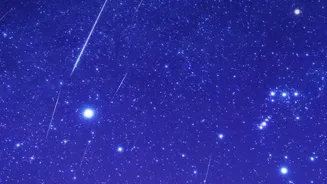
An Annual Gift from Halley's Comet
The Orionid meteor shower is one of the most anticipated celestial events of autumn. These shooting stars are actually tiny fragments of dust and ice shed by the most famous comet of all, 1P/Halley. Each year in October, Earth's orbit takes it through
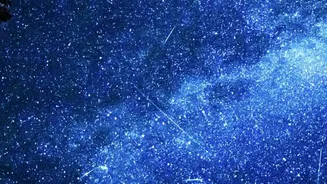
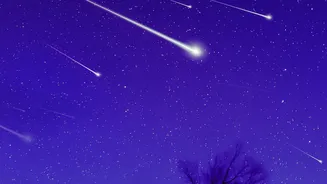
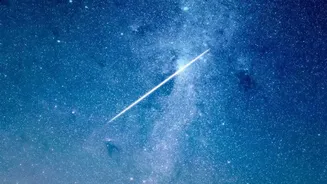
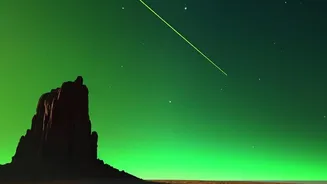
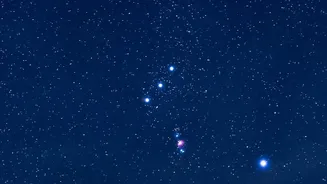
this stream of ancient cometary debris. As these particles, some no bigger than a grain of sand, enter our atmosphere at incredible speeds—around 66 kilometres per second—they burn up, creating brilliant streaks of light across the sky. While Halley's Comet itself only visits the inner solar system every 76 years, its legacy lights up our nights annually, also causing the Eta Aquariid shower in May. The Orionids get their name because they appear to radiate from a point in the sky near the constellation Orion the Hunter, but the meteors themselves can be seen streaking across any part of the sky.
Best Dates and Times for Viewing in 2026
Mark your calendars for the peak of the shower, which will occur in the pre-dawn hours of October 21st and 22nd, 2026. While the shower is active from early October to early November, your best chance of seeing the highest concentration of meteors will be on these nights. This year, viewing comes with a slight challenge: a bright waxing gibbous moon will light up the sky for the first part of the night. However, there is a silver lining. The moon is expected to set around 3 a.m. local time, creating a window of dark sky until dawn. For the best show, set your alarm for the early morning hours. This is also when the radiant point in Orion is higher in the sky, increasing the number of visible meteors.
Your Guide to Urban Stargazing
The biggest hurdle for any city-based astronomer is light pollution. The glow from streetlights, buildings, and cars can wash out all but the brightest celestial objects. But with a little planning, you can significantly improve your chances. The key is to find the darkest possible spot available to you. This could be a local park, a rooftop with an unobstructed view, or even a quiet street with fewer streetlights. The goal is to get away from direct sources of light and give your eyes the best chance to adapt. When you find your spot, plan to spend at least 20-30 minutes in the dark to allow your eyes to adjust fully. During this time, avoid looking at your phone screen, as its white light can instantly ruin your night vision. If you need a light, use a torch with a red filter, as red light has less impact on your dark-adapted eyes.
What to Bring (and What to Leave Behind)
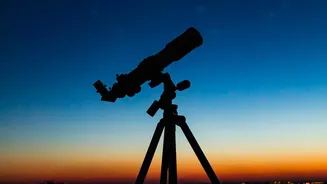
As the headline suggests, you can leave your telescope at home. Meteor showers are best viewed with the naked eye because they cover a vast area of the sky. A telescope or even binoculars have a narrow field of view, meaning you'd likely miss the action. Instead, focus on comfort. Since you'll be outside in the cool autumn night, dress in warm layers. A comfortable reclining chair or a thick blanket to lie on will save you from a sore neck as you gaze upwards. Consider bringing a flask of a warm drink and some snacks to make the experience more enjoyable. The most important tools for meteor watching are patience and a wide view of the sky.
Managing Expectations: Quality Over Quantity
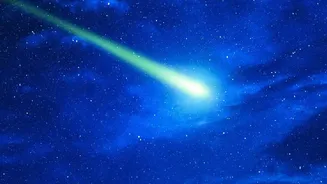
Under perfect, dark-sky conditions, the Orionids can produce about 15 to 25 meteors per hour at their peak. In a city, this number will be significantly lower due to light pollution. You may only see a few of the brightest meteors per hour. However, the Orionids are known for being particularly fast and are often bright enough to produce 'fireballs' and persistent trails that can linger for several seconds after the meteor has vanished. Don't fixate on a single spot. While the meteors originate from Orion, they will appear all over the sky. Looking about 45 degrees away from the radiant can often reveal longer, more dramatic streaks. Instead of counting meteors, embrace the quiet moments and the simple act of looking up. Each shooting star you see is a fleeting connection to the broader cosmos, a worthwhile spectacle even from the heart of the city.