






The Two Most Important Safety Parts
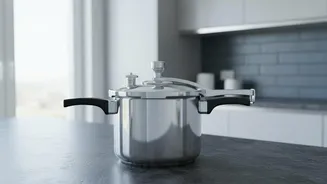
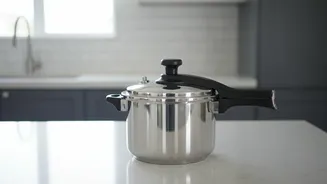
A pressure cooker works by creating a sealed environment where steam builds up, raising the boiling point of water and cooking food faster. This system relies on two humble but essential components: the gasket and the vent. The gasket, a rubber or silicone
ring, creates an airtight seal between the lid and the pot. The vent, or steam release valve, is the designated escape route for excess pressure. If the gasket fails, the cooker may not build pressure or could leak hot steam from the sides. If the vent is blocked, pressure can build to dangerous levels. Together, they are the primary safety system of your cooker, and inspecting them is the most important ritual for safe cooking.
How to Inspect the Gasket (Sealing Ring)
Before each use, take a moment to examine the gasket. It should be soft, flexible, and free of any visible damage. Look for cracks, tears, cuts, or warping. A gasket that feels hard, dry, brittle, or sticky is past its prime and needs to be replaced immediately. Over time, gaskets can also absorb food odours or become discoloured, which indicates the material is degrading. Another clear sign of a failing gasket is if you see steam escaping from the sides of the lid during cooking, or if the cooker takes much longer than usual to reach pressure. As a general rule, it's wise to replace your gasket every one to two years, depending on usage, even if it looks fine. Always keep a spare on hand.
How to Check and Clean the Vent
The vent system, which includes the main pressure regulator (the 'whistle') and any safety valves, must be completely clear to function correctly. Before securing the lid, hold it up to a light source and look through the vent pipe to ensure you can see through it. Food particles, especially from cooking dal, rice, or thick gravies, can easily cause blockages. If it's blocked, use a thin wire or a pipe cleaner to gently clear any debris. After each use, make sure to wash the lid thoroughly, paying special attention to cleaning the vent. Never overfill your pressure cooker—usually no more than two-thirds full—as this can cause food to froth up and block the vent during cooking. A clogged vent is a primary cause of excess pressure buildup, which can lead to safety valve failure or worse.
Making the Check a Pre-Cooking Ritual
This entire inspection process takes less than a minute, but it is the most crucial step in using your pressure cooker. Make it a habit, just like washing your hands before you cook. Clean the gasket and vent area after every use. Wash the gasket by hand in warm, soapy water; avoid harsh scrubbers and do not put it in the dishwasher, as this can degrade the material faster. Store your pressure cooker with the lid placed upside down on top of the pot, rather than sealed, to allow air to circulate and prevent the gasket from staying compressed. This also helps prevent musty smells from developing. This simple routine ensures your cooker is always ready for safe operation, giving you peace of mind and perfectly cooked meals every time.