




More Than Just a Festival
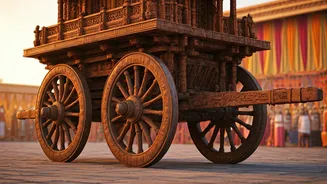
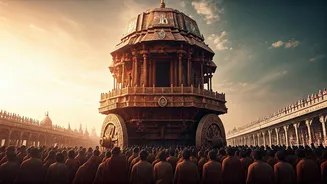
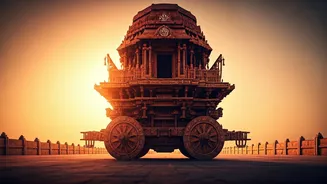
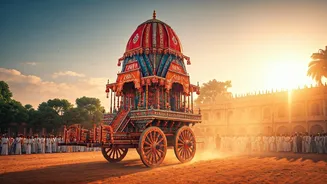
Across India, the Rath Yatra, or Chariot Festival, is a monumental display of faith, art, and community. While the tradition is most famously associated with Lord Jagannath in Puri, Odisha, it is celebrated in various forms across the country, each with its
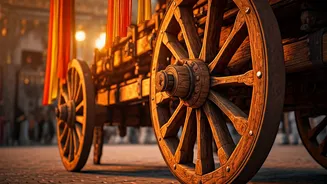
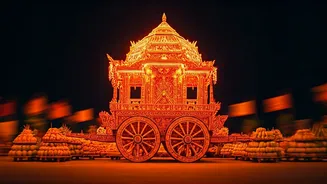
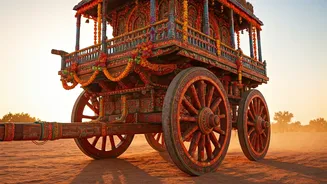
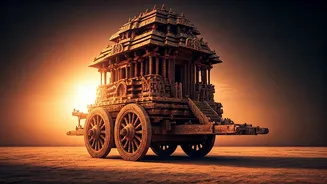
unique history and local flavour. The central act involves deities being brought out of their temples in magnificent, towering chariots (raths), allowing them to travel amongst their devotees. For travellers, these processions offer an unparalleled opportunity to witness living heritage. It’s an immersive, sensory experience that goes far beyond typical sightseeing, connecting you to the very heartbeat of India's spiritual culture.
The Epicentre: Puri Rath Yatra, Odisha
This is the big one, the original, and arguably the most spectacular chariot festival on Earth. Every year during the monsoon season, the deities of the Jagannath Temple—Lord Jagannath, his brother Balabhadra, and sister Subhadra—journey to their aunt's temple, the Gundicha Temple. They travel on three gigantic wooden chariots, newly constructed each year by generations of dedicated artisans. The main chariot, Nandighosha, stands over 45 feet tall. The sight of millions of devotees pulling these immense structures with thick ropes is a breathtaking spectacle of collective faith. The energy is electric, a powerful mix of sacred ritual and public celebration that draws pilgrims and visitors from around the globe.
The Western Giant: Ahmedabad Rath Yatra, Gujarat
Considered the second-largest Rath Yatra in India, Ahmedabad’s procession is a grand affair that brings the entire city to a standstill. Beginning at the 400-year-old Jagannath Temple in the Jamalpur area, the procession covers a significant part of the old city. What makes it unique is its blend of religious fervour and cultural pageantry. The chariots are accompanied by decorated elephants, trucks displaying various social messages and cultural scenes, and 'akhadas' (traditional gymnasiums) where members perform martial arts and acrobatic stunts. The procession is a symbol of communal harmony and is a vibrant, dynamic event that showcases Gujarat’s rich cultural tapestry.
Bengal's Ancient Tradition: Mahesh Rath Yatra
Predating even some of the more famous yatras, the Mahesh Rath Yatra in Serampore, West Bengal, has a history stretching back over 600 years. It is the second oldest in India after Puri's. While smaller in scale, it is deeply cherished and holds immense cultural significance for Bengalis. The story goes that the temple's founder was divinely instructed by Lord Jagannath in a dream to create the festival. Today, the iron chariot used in the procession dates back to the 19th century. The week-long fair that accompanies the yatra is a major attraction, filled with local crafts, food, and the joyous spirit of a community coming together to celebrate its heritage.
A Southern Masterpiece: Thiruvarur Chariot Festival, Tamil Nadu
While many chariot festivals are dedicated to Jagannath (a form of Vishnu), the Thiruvarur festival honours Lord Shiva as Thyagaraja. This festival is renowned for having the largest temple chariot in Asia, the Aazhi Ther, which weighs over 300 tonnes and stands nearly 96 feet tall. The sheer scale is awe-inspiring. Unlike the fast-paced processions elsewhere, the movement of this colossal chariot is a slow, deliberate, and powerful event that can take an entire day. It’s a testament to incredible engineering, communal effort, and unwavering devotion, offering a distinctly South Indian expression of the chariot festival tradition.