






Redefining the Season's Best
Let’s be honest: when many of us hear about a 'new' way of eating, our minds jump to what we have to give up. The old idea of seasonal eating often got framed this way—a rigid system where you could only eat certain foods at certain times, all in the
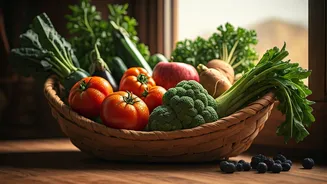
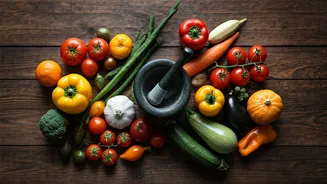
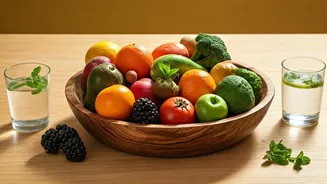
pursuit of a smaller waistline. But the modern movement couldn't be more different. It's less of a diet and more of a philosophy. The new seasonal eating is about embracing abundance, not scarcity. It’s about asking, 'What does nature want me to enjoy right now?' instead of 'What does my diet plan allow?' This approach prioritises pleasure, connection, and a deeper appreciation for the food on our plates. It’s about celebrating the juicy, sun-ripened mangoes of summer and the earthy, robust greens of winter, not because you have to, but because they are at their absolute peak.
The Flavour and Nutrition Advantage
The most compelling argument for eating seasonally has nothing to do with calories. It’s about taste. Produce that is picked in its natural season, close to where you live, is simply superior. A tomato ripened on the vine in peak season has a complex sweetness that a pale, watery, off-season version can never match. This isn’t just nostalgia; it’s science. When fruits and vegetables are allowed to ripen naturally, they develop their full flavour profile and nutritional value. They are often richer in antioxidants, vitamins, and other phytonutrients. Food that has to be shipped across continents is typically harvested early and artificially ripened, a process that sacrifices both taste and health benefits. By choosing seasonal produce, you are choosing food that is more vibrant, more delicious, and more nourishing, turning every meal into a more satisfying experience.
A Kinder Plate for the Planet
This shift in perspective extends beyond our personal health to the health of our planet. The global food system requires immense resources. Flying asparagus from another hemisphere or growing berries in heated greenhouses out of season carries a significant carbon footprint. Seasonal eating is a simple yet powerful act of sustainability. By choosing foods that are grown locally and in season, you drastically reduce 'food miles'—the distance your food travels from farm to table. This not only cuts down on transportation emissions but also supports local farmers and strengthens community economies. Buying from a local mandi or farmers' market means you’re investing in the people who grow your food, helping to preserve small-scale agriculture and biodiversity in your region.
A Return to Ancient Wisdom
While this approach may feel like a modern wellness trend, it’s deeply rooted in ancient traditions, especially in India. The Ayurvedic concept of 'Ritucharya' is a perfect example. It’s a comprehensive guide to living in harmony with the seasons, prescribing specific diets and lifestyle habits for different times of the year to maintain balance and prevent illness. For example, it recommends light, cooling foods during the hot summer months and warm, nourishing foods during the cold, dry winter. Our grandmothers knew this intuitively, preparing warming winter dishes like *sarson da saag* and cooling summer drinks like *aam panna*. The resurgence of seasonal eating isn't the invention of a new fad; it's a rediscovery of timeless wisdom that has guided our cultures for centuries.
How to Start, Gently
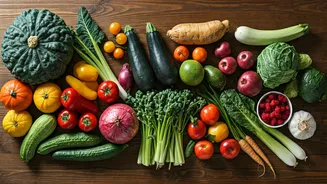
Embracing seasonal eating doesn’t require a complete overhaul of your life. It’s about taking small, curious steps. Start by visiting your local vegetable vendor or farmers' market and simply observing. Ask what’s fresh and in abundance. Challenge yourself to buy one vegetable you don't normally cook with and find a simple recipe for it. Pay attention to what appears in your market—the arrival of jamuns signals the monsoon, while fresh peas and carrots herald the winter. Think of it as an adventure rather than a restriction. There are no rules, only invitations to explore the delicious rhythm of the year.