


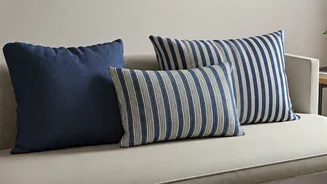


1. Start with Soft Furnishings
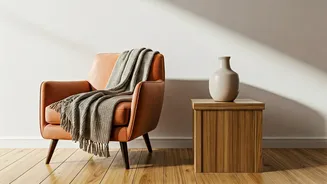
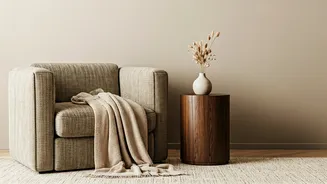
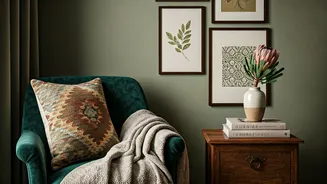
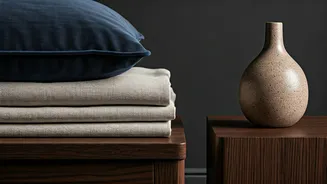
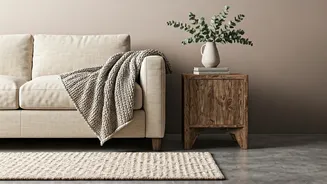
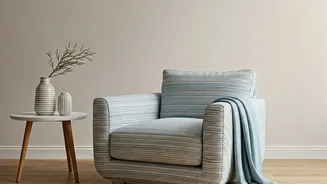
The easiest and most affordable way to introduce texture is through textiles. Think beyond standard cotton cushion covers. A chunky knit throw draped over a sofa, a velvet cushion nestled against a linen one, or a faux fur rug under a coffee table instantly
adds layers of comfort and visual interest. Different fabrics evoke different feelings: plush velvet suggests luxury and warmth, breathable linen feels casual and airy, while rougher weaves like jute or burlap add a rustic, earthy touch. Don't be afraid to mix them. The contrast between a smooth surface and a coarse one is what creates a dynamic, inviting atmosphere. Start small by swapping out a few cushion covers or adding a new throw blanket.
2. Layer from the Ground Up
Floors are a vast canvas for texture. A single wall-to-wall carpet can feel monotonous. Instead, consider layering. Placing a smaller, patterned rug over a larger, neutral one (like a jute or sisal rug) adds depth and defines a space, such as a seating area within a larger living room. The visual effect is sophisticated, and the feeling underfoot is plush and varied. This technique works especially well on hard flooring like tile or wood, breaking up the smooth expanse and adding a soft landing spot. Look for dhurries with interesting weaves or wool rugs with a high pile to maximise the textural impact.
3. Don't Forget the Walls
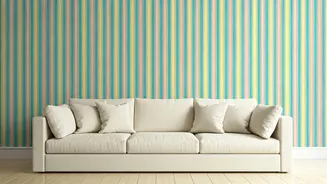
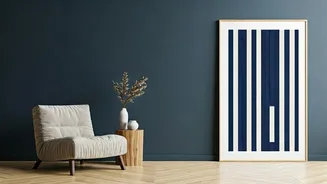
Walls offer a fantastic opportunity to move beyond a simple coat of paint. Consider textured wallpapers, such as those with a grasscloth, silk, or embossed finish. These coverings catch the light in unique ways, adding a subtle shimmer and depth that flat paint cannot replicate. If wallpaper feels like too much of a commitment, explore different paint finishes. A limewash or matte finish has a chalky, soft quality that absorbs light, creating a cosy, enveloping feel. Alternatively, incorporating a large-scale piece of art with visible brushstrokes or a woven wall hanging can serve as a textural focal point without altering the entire wall.
4. Incorporate Natural Elements
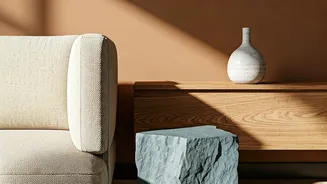
Nothing says 'lived-in' like a connection to the natural world. Bring the outdoors in with materials that have inherent texture. A reclaimed wood coffee table with a visible grain tells a story. A marble side table introduces a cool, smooth contrast. Even small touches make a difference: a collection of stones in a glass bowl, a terracotta pot for a houseplant, or wicker baskets for storage. These elements ground the space and break up the monotony of manufactured finishes. The imperfections in natural materials—the knots in wood, the veins in marble—are what give them character and make a home feel authentic and relaxed.
5. Play with Light and Reflection
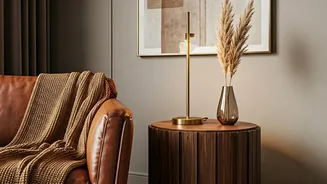
Texture isn’t just about what you can feel; it's also about how surfaces interact with light. A high-gloss lacquered cabinet, a strategically placed mirror, or a polished metal lamp will reflect light, making a space feel brighter and more dynamic. Contrast these smooth, reflective surfaces with matte, light-absorbing ones. For example, a sleek brass floor lamp arching over a nubby bouclé armchair creates a beautiful interplay of light and shadow. This contrast highlights the unique qualities of each texture and prevents the room from feeling flat or dull, especially in the evening when artificial light sources are in use.