







From Family Secrets to Formulation Facts
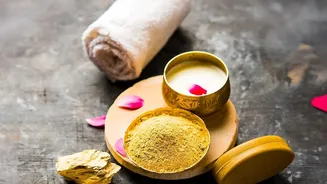
For generations, beauty wisdom was passed down through families. While traditional ingredients like turmeric and coconut oil remain cherished, today's young Indians are supplementing that knowledge with their own research. They are moving beyond simply
using what their mothers used, instead building routines based on a sophisticated understanding of their own skin and hair. This shift is driven by unprecedented access to information and a desire for products that deliver demonstrable results. The conversation has evolved from brand names to active ingredients, and from broad promises to specific solutions for concerns like acne, pigmentation, and barrier health.
The Rise of the 'Skintellectual'
A new archetype has emerged in the Indian beauty landscape: the 'skintellectual'. This digitally-savvy consumer, often from the Gen Z demographic, actively researches ingredients, compares product formulations, and follows dermatologists and cosmetic chemists on social media. Platforms like Instagram and YouTube have become virtual classrooms where terms such as niacinamide, hyaluronic acid, retinol, and ceramides are not just buzzwords but the building blocks of a daily regimen. This hunger for knowledge means brands can no longer rely on vague marketing claims; they must provide transparency and evidence-based efficacy to win trust. This trend is not confined to metros, with a significant portion of beauty-related searches originating from non-metro cities.
A Market That Listens and Adapts
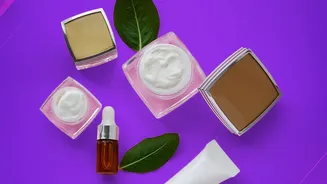
The Indian beauty market has responded rapidly to this consumer evolution. A boom in direct-to-consumer (D2C) brands is catering specifically to this new, informed audience. These digital-native companies are agile, using social media to engage directly with customers, gather feedback, and create products that address specific Indian skin and hair concerns. Brands are increasingly focusing on ingredient-led innovation, launching targeted serums, potent treatments, and barrier-repairing creams that allow consumers to build a multi-step routine. This has fostered a more competitive and consumer-centric ecosystem, where even legacy brands are reformulating and rethinking their strategies.
Customisation Over Complication
While routines are becoming more sophisticated, the goal for many is not complication but customisation. The trend of 'skinimalism', or using fewer, more effective products, is also gaining traction. Instead of a ten-step routine with overlapping products, young consumers are curating a lean wardrobe of essentials tailored to their needs. This might mean a simple cleanser, a targeted serum with a specific active ingredient, a moisturiser, and daily sunscreen. It reflects a shift towards intentionality, where every product in the routine has a clear purpose. This approach extends beyond the face to include specialised body care, scalp treatments, and fragrances, creating a holistic and personalised vision of beauty.
Beauty as an Expression of Identity
Ultimately, this movement towards personal beauty routines is about more than just achieving 'flawless' skin. It is a form of self-care and self-expression. In a world of curated digital perfection, having control over one's skincare and appearance offers a sense of stability and confidence. By choosing products and building routines that work for their unique biology and lifestyle, young Indians are asserting their individuality. Beauty is becoming less about conforming to a singular ideal and more about celebrating and caring for oneself in a way that feels authentic, empowered, and deeply personal.