

The Problem with Plastic
Plastic cutting boards and containers are staples in many Indian kitchens, valued for their convenience and affordability. However, recent studies highlight a growing concern: microplastics. Research has shown that chopping on plastic boards can release
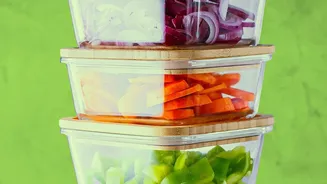
millions of tiny plastic particles into your food annually. Over time, knife-cut grooves in these boards become difficult to clean, creating a breeding ground for bacteria like E.coli. The same risk applies to plastic spatulas and spoons, especially when exposed to heat, which can cause them to break down and leach chemicals like BPA and phthalates. While the long-term health impact is still being studied, experts suggest it is wise to minimise exposure. For safer storage, especially for hot foods, consider switching to glass or stainless steel containers.
Rethinking Wooden Utensils
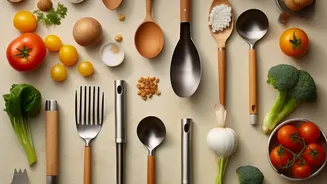
Wooden spoons and cutting boards have a rustic charm, but their porous nature requires special attention. Wood can absorb moisture and food juices, making it a potential haven for bacteria if not cleaned and dried properly. Old cutting boards with deep cracks or splinters are particularly risky as they can trap food particles and microbes, making them difficult to sanitize. However, some studies suggest that wood has natural antibacterial properties that can help kill germs. The key is proper maintenance. Always hand-wash wooden tools with hot, soapy water, and allow them to air-dry completely. Never let them soak. Using separate boards for raw meat and produce is a crucial step to prevent cross-contamination.
The Truth About Non-Stick Pans
Non-stick pans make cooking and cleaning a breeze, but concerns often arise when their surfaces get scratched. Modern non-stick coatings are generally free of PFOA, a chemical of past concern. The current coating, PTFE, is considered inert and non-toxic; even if tiny flakes are ingested, they typically pass through the body without harm. The main issue with a scratched pan is that it loses its non-stick quality. However, it is important to avoid overheating non-stick pans (above 260°C), as high temperatures can cause the coating to break down and release fumes. To be safe, use wooden or silicone utensils to avoid scratching the surface and replace any pans that are deeply scratched, peeling, or damaged.
The Germiest Item in Your Kitchen
It’s not your bin or the toilet seat—studies consistently find that the kitchen sponge is one of the dirtiest items in the average home. Sponges and dishcloths provide a warm, moist environment that is ideal for bacteria like Salmonella and E. coli to multiply rapidly. A damp, smelly cloth is a clear sign that unsafe bacteria are growing. Simply washing with soap and water is often not enough to kill these germs. To reduce the risk, experts recommend sanitizing your sponges daily. You can do this by microwaving a wet sponge for one minute or running it through a hot cycle in the dishwasher. Even with regular cleaning, sponges should be replaced frequently, at least every week or two.
A Call for General Hygiene
Beyond specific tools, overarching hygiene practices are paramount. The Food Safety and Standards Authority of India (FSSAI) regularly issues guidelines emphasizing the importance of a clean kitchen environment to prevent foodborne illnesses. Recently, the FSSAI directed food businesses to replace any rusted, chipped, or damaged utensils, highlighting the risks of physical and chemical contamination from such tools. These principles apply just as much to home kitchens. Regularly cleaning kitchen surfaces, washing hands before and after handling food, and ensuring all tools are in good condition are fundamental to food safety. A clean kitchen is the foundation upon which all other safety measures are built.