



Know Before You Go
The Valley of Flowers National Park is typically open from June 1st to late October, with entry timings strictly enforced from 7 AM to 5 PM. You must enter and exit the same day, as camping inside the park is prohibited. The best time for peak bloom is from mid-July
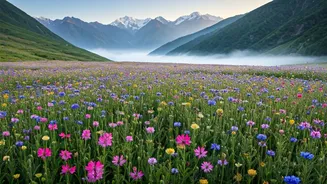
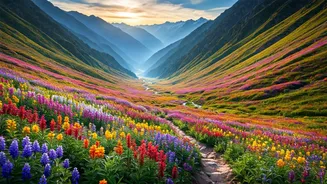
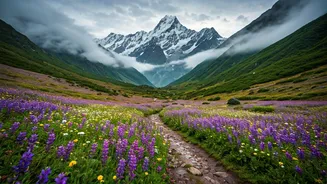
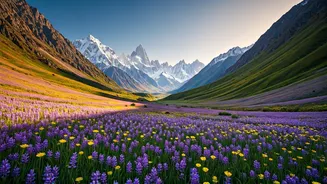
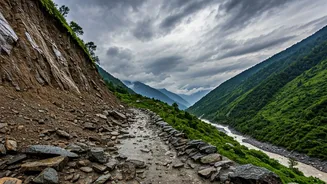
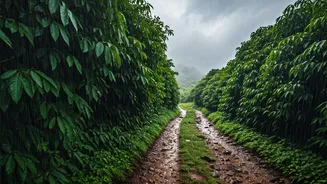
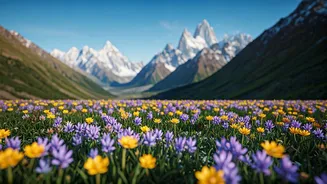
to mid-August, when over 600 species of flowers create a breathtaking spectacle. However, this is also peak monsoon, meaning you must be prepared for rain and potentially slippery trails. To protect the fragile ecosystem, there is a daily cap on visitors, so it's wise to book your permits in advance, especially during the busy season. All trekkers must register and obtain a permit, which can be done at the forest check post near Ghangaria.
Physical and Mental Preparation
While the Valley of Flowers trek is rated easy to moderate and suitable for beginners, it should not be underestimated. The journey involves walking approximately 38-40 kilometers over several days, with significant altitude gains. The trek to the base camp, Ghangaria, is about a 9-10 km walk from Pulna village. To prepare, you should start a fitness routine at least a few weeks before your trip. Focus on cardiovascular endurance by jogging, brisk walking, or cycling. Aim to be able to comfortably walk 5-6 km. Strength training, particularly for your legs, will also be beneficial for the uneven, uphill terrain. Mental readiness is equally important; be prepared for unpredictable weather and the basic nature of high-altitude accommodation.
Pack Smart, Not Heavy
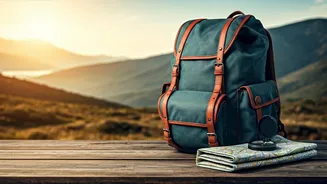
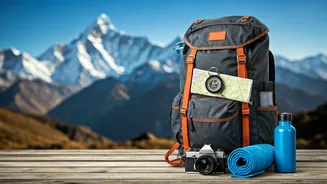
Packing for a monsoon trek requires a balance between being prepared and not over-burdening yourself. Layering is the key strategy. Pack quick-dry t-shirts, a fleece jacket for warmth, and a high-quality waterproof and windproof outer jacket. A good pair of waterproof trekking shoes with high ankle support and excellent grip is non-negotiable; ensure they are well broken-in before you start. Other essentials include a backpack (40-50L) with a rain cover, a smaller daypack for the valley walk, a reusable water bottle, sunscreen, a hat, and personal medications, including those for altitude sickness if advised by your doctor. A walking pole can provide much-needed stability on slippery sections.
The Smart Trekker’s Code
Being a smart trekker goes beyond your own preparation; it’s about respecting the environment and the local community. The Valley of Flowers is an ecologically sensitive zone. Follow the “leave no trace” principle strictly. Do not pick any flowers or plants, and carry all your litter back with you. Stick to the designated trails to avoid disturbing the flora. The base camp, Ghangaria, has limited resources, so use water and electricity judiciously. There is limited mobile connectivity, with Jio often being the only reliable network in Ghangaria, so inform your family of your itinerary beforehand. Finally, carry enough cash, as the last reliable ATM is in Joshimath.
Embracing the Journey
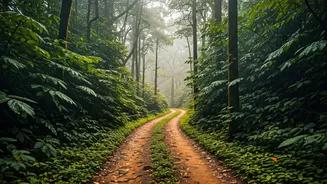
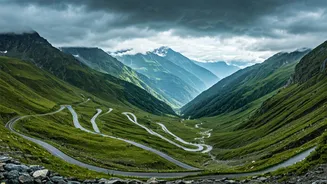
The trek is not just about the destination but the entire journey. The route from the roadhead at Pulna to Ghangaria follows the beautiful Pushpawati River, passing through charming villages and dense forests. Many trekkers also make the challenging but rewarding side-trip to Hemkund Sahib, a high-altitude Sikh Gurudwara located near a glacial lake. This steep climb often reveals different species of high-altitude flowers, like the famed Brahma Kamal. By starting your days early, you can make the most of the daylight hours and often enjoy clearer weather before the afternoon clouds and rain roll in. Pacing yourself, staying hydrated, and taking time to acclimatize are crucial for a safe and enjoyable experience.