



The Quest for Guilt-Free Indulgence
The primary driver behind the air fryer's rapid adoption in India is a collective shift towards healthier lifestyles. For generations, deep-frying in a kadhai has been central to Indian cooking, but growing awareness around heart health, cholesterol,
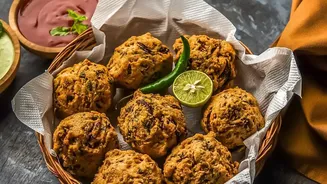
and lifestyle-related ailments has prompted consumers to seek alternatives. The air fryer offers a compelling solution: the ability to achieve a satisfying crunch with up to 80% less oil. This means families don't have to give up favourites like pakoras, aloo tikkis, or cutlets. Instead, they can enjoy them more frequently without the associated guilt, making it a powerful tool for balancing tradition with contemporary health goals.
Adapting Tradition, One Snack at a Time
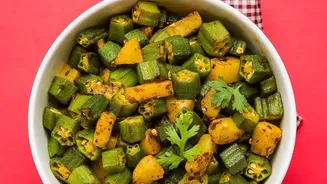
Indian home cooks are proving that the air fryer is far more versatile than just a machine for frozen fries. They are creatively adapting a vast repertoire of regional snacks for this modern appliance. Samosas, especially frozen varieties, emerge with a flaky, crisp pastry that is remarkably close to the deep-fried original. Paneer tikka, which traditionally requires a tandoor, cooks beautifully in an air fryer, achieving a tender inside and a perfectly charred exterior. Even everyday vegetables like bhindi and cauliflower are being transformed into crispy, delicious sides. While some dishes with very wet batters, like medu vada, can be challenging, home cooks are finding workarounds and sharing tips online, creating a vibrant community of air fryer enthusiasts.
Reinventing the Festive Spread
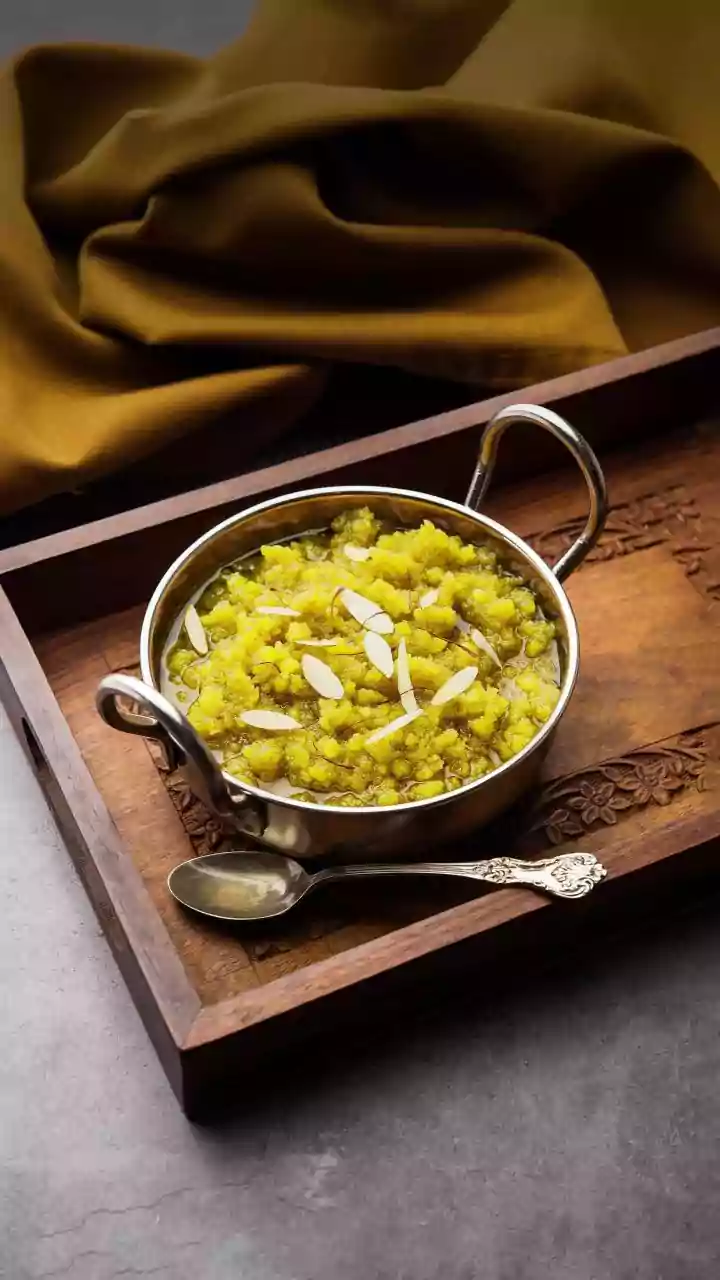
Festivals in India are synonymous with elaborate feasts, often involving hours spent frying large batches of sweets and savouries. The air fryer is changing this dynamic by offering convenience and speed. Making sweets like gujiya, shakarpara, or balushahi, which traditionally require careful deep-frying, becomes a more manageable, hands-off process. Cooks can prepare these festive staples with a fraction of the oil and without the mess of oil splatters or the lingering smell of frying. This not only makes the preparation less laborious but also allows for healthier indulgence during periods of celebration, a welcome change for many families looking to enjoy their cultural heritage without compromise.
The Verdict on Taste and Texture
The crucial question for any food lover is whether air-fried food tastes as good as its deep-fried counterpart. The consensus is that while it's not identical, it's impressively close—often around 80-90% of the way there. The texture is the main difference; air-fried food is typically crispy and dry rather than rich and oily. For many, this is a welcome trade-off. The flavour of the spices and core ingredients often shines through more without the dominance of oil. Achieving the perfect texture is a learning process, with cooks discovering that a light brush of ghee or oil is often necessary for browning and that correct temperature and timing are key.
A Modern Kitchen Mainstay
The rise of the air fryer is more than just a passing fad; it represents the evolution of the modern Indian kitchen. It sits alongside appliances like the mixer-grinder and microwave oven as a tool that offers convenience, efficiency, and a solution to a contemporary problem. The market for air fryers in India has seen robust growth and is projected to continue expanding, moving from a niche, premium gadget to a mainstream appliance. This is fueled by increasing disposable incomes, urbanization, and a desire for products that support a fast-paced yet health-conscious lifestyle. For many, the air fryer is now an indispensable part of daily cooking, seamlessly integrated into preparing everything from breakfast to dinner and, of course, the all-important evening snack.