




The Soaring Demand
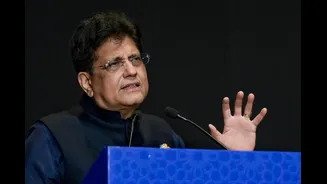
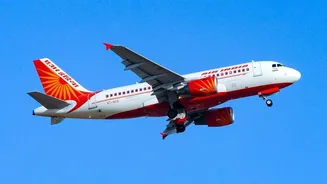
During a visit to Egypt, Commerce and Industry Minister Piyush Goyal highlighted an 'acute' shortage of planes in India, stating that the nation is ready to place orders for another 1,000 aircraft. This is on top of the more than 1,200 jets already on order by
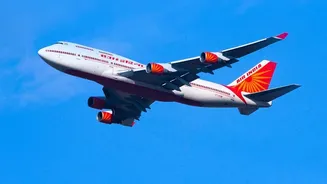
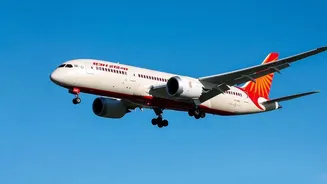
Indian carriers like IndiGo and Air India. Goyal emphasized that the country requires a total of over 2,000 new aircraft to meet the surging demand for air travel, urging manufacturers like Airbus and Boeing to expedite deliveries. This incredible number reflects India's position as one of the world's fastest-growing civil aviation markets, on track to become the third-largest air passenger market globally. The government's push for more planes is a direct response to the millions of new passengers taking to the skies each year.
An Engine of Economic Growth
The primary driver behind this aviation boom is India's robust economic growth and the rise of a burgeoning middle class with higher disposable incomes. As more people can afford air travel, what was once a luxury is rapidly becoming a preferred mode of transport for business, tourism, and personal mobility. Government initiatives have played a crucial role in this transformation. The UDAN (Ude Desh ka Aam Nagrik) scheme, designed to enhance regional connectivity, has been particularly impactful. By reviving unserved and underserved airports in smaller towns, the scheme has made air travel accessible to a much wider section of the population, adding millions of first-time flyers and creating new economic corridors. Since its launch, UDAN has operationalised hundreds of new routes, fundamentally changing the travel landscape for people in remote and regional areas.
A Sky-High Order Book
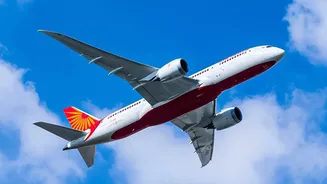
Indian airlines have been preparing for this growth for years, placing some of the largest aircraft orders in aviation history. In 2023, Air India finalised a mammoth deal for 470 aircraft from both Airbus and Boeing, while rival IndiGo placed a record-breaking order for 500 Airbus A320 family jets. These orders are part of a long-term strategy to expand both domestic and international networks. Projections from major manufacturers underscore this trend, with Airbus forecasting that India's fleet could triple to over 2,250 jets in the next decade. However, these staggering numbers also highlight a major bottleneck: delivery schedules. Global supply chain constraints and massive order backlogs at Airbus and Boeing mean that many of these aircraft are scheduled for delivery years from now, with some as late as 2034. This delay is what creates the 'acute shortage' Goyal referred to, as demand for seats outpaces the current capacity.
Navigating the Turbulence
Simply adding more aircraft is only part of the solution. India's aviation ecosystem faces significant challenges in keeping up with this explosive growth. Airport infrastructure, though expanding with major new projects like those in Navi Mumbai and Jewar, is under immense pressure to handle more flights and passengers. Furthermore, the industry needs a massive influx of skilled manpower. According to one Airbus forecast, India will require an additional 34,000 pilots and 45,000 technicians by 2040 to service this larger fleet. Other hurdles include volatile aviation fuel prices, which constitute a large portion of an airline's operating costs, and the need for a robust Maintenance, Repair, and Overhaul (MRO) industry to service the new planes domestically. Building this support ecosystem is critical for the sustainable growth of the sector.
More Than Just Travel
The push for over 1,000 more aircraft is not just about moving people; it's a strategic move to bolster the entire Indian economy. A larger fleet strengthens India's ambition to become a global aviation hub, capturing a greater share of profitable long-haul international routes currently dominated by foreign carriers. It also provides a massive boost to the 'Make in India' initiative. Global giants like Airbus and Boeing are already sourcing billions of dollars' worth of components from Indian suppliers, a figure set to grow substantially. This expansion creates a ripple effect, generating employment in manufacturing, airport services, logistics, and tourism, and further integrating India's regional economies into the national and global mainstream.