




The End of an Era: What Is Changing?
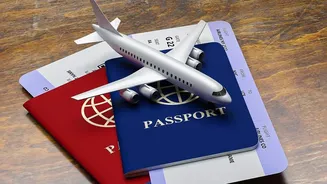
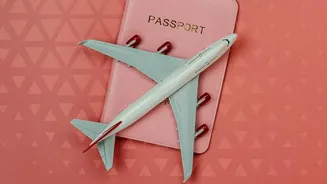
For decades, a successful UK visa application resulted in a physical sticker, or 'vignette', being placed in your passport. That is now a thing of the past. The UK has completed its transition to a fully digital visa system. Successful applicants from
India will no longer receive a physical document. Instead, their permission to travel to the UK will be recorded as a secure digital record called an eVisa. This eVisa is electronically linked to the holder's passport and contains all the information about their identity and immigration status, including the conditions of their stay, such as the right to work or study. This move is part of a broader strategy by the UK government to digitise its borders, aiming for a more secure and streamlined immigration process.
How the New eVisa System Works
While the end result is digital, the initial application process will feel familiar. Indian applicants must still fill out the relevant forms online on the official GOV.UK website, pay the fee, and attend a Visa Application Centre (VAC) to provide biometric information like fingerprints and a photograph. The major change happens after a decision is made. Upon approval, applicants will receive an email notification. They must then create a UK Visas and Immigration (UKVI) account and use the 'UK Immigration: ID Check' app to link their identity to their new eVisa. This digital status is what airlines will check before boarding and what border officials will see upon arrival in the UK. There is no additional fee to access the eVisa itself.
A Massive Undertaking: The Scale of Indian Visas
The switch to eVisas is particularly significant for India due to the sheer volume of travel. In the year ending March 2026, the UK granted more than 500,000 visas to Indian nationals, cementing India's position as one of the UK's most important travel markets. According to official statistics, Indian nationals make up the largest proportion of visitor visas granted by the UK. This figure doesn't even include the large numbers of students and skilled workers. In the year to March 2026, over 90,000 sponsored study visas and tens of thousands of work visas were also issued to Indians, highlighting the deep and multifaceted ties between the two nations.
What This Means for Travellers
The primary benefits of the eVisa system are security and convenience. A digital visa cannot be lost, stolen, or tampered with in the same way a physical document can. It also allows individuals to easily prove their rights and status online, for example to employers or landlords, using a 'share code' generated from their UKVI account. However, the new system introduces new responsibilities. Travellers must ensure that the passport they are using is the one linked to their UKVI account and that all personal details are accurate. Any discrepancy could lead to significant delays at check-in or the UK border. It is also critical for travellers to remember that while the visa is digital, the requirement for a visa has not changed; Indian citizens are not eligible for the UK's Electronic Travel Authorisation (ETA) scheme and must secure the correct visa before travel.
The Bigger Picture
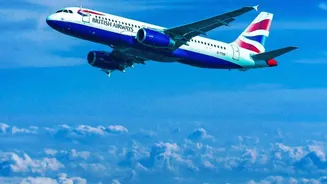
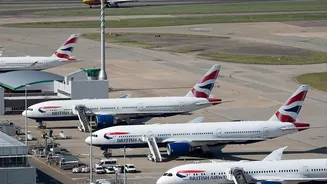
This digital shift reflects a growing economic and cultural relationship. Projections from VisitBritain estimate that visits from India could reach nearly one million per year by 2030, with an estimated visitor spend of £1.5 billion. This trend is supported by expanding air connectivity, with the average number of weekly flights between India and the UK increasing to 178 in 2026. By modernising its visa system, the UK is aiming to facilitate this flow of people, which is crucial for business, education, and tourism. The move to eVisas is not just a technical upgrade; it's an adaptation to the reality of the thriving 'living bridge' between India and the United Kingdom.