





The Allure of the Midnight Sky
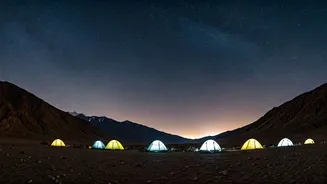
Spiti Valley, a cold desert mountain region nestled high in the Himalayas of Himachal Pradesh, has long been a destination for the intrepid. But a new trend is drawing a surge of visitors: midnight camping. The appeal isn't just about sleeping outdoors;
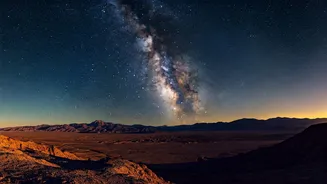
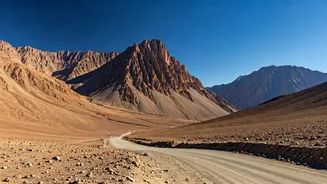
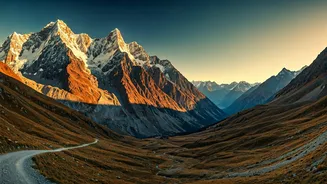
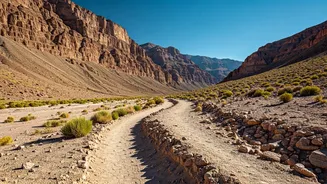
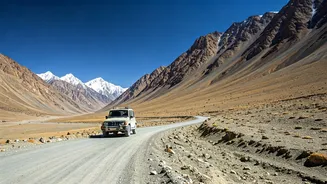
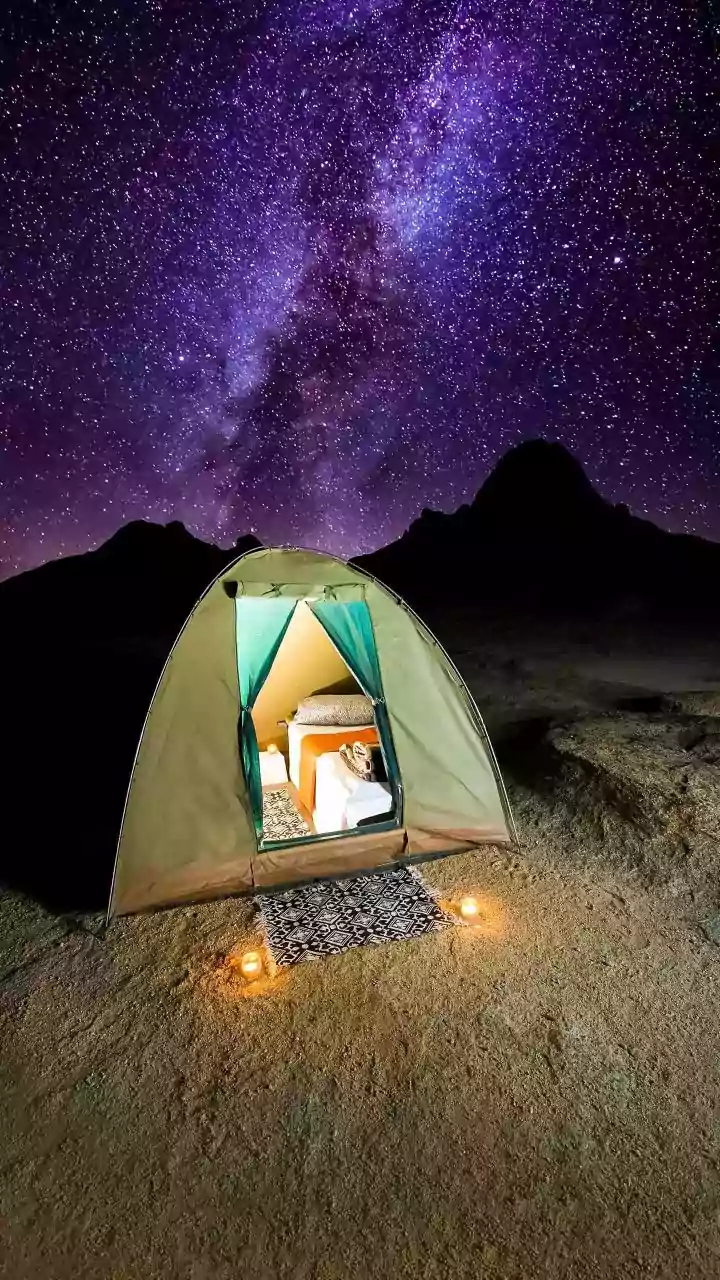
it's about witnessing the cosmos in a way that’s impossible in our light-polluted cities. At altitudes often exceeding 12,000 feet, the air is thin, crisp, and free of atmospheric haze. On a clear, moonless night, the Milky Way isn't a faint smudge but a brilliant, textured river of light arching across the sky. Shooting stars are a common sight, and constellations appear with dazzling clarity. This celestial spectacle, set against the stark, lunar-like landscape of Spiti, creates an experience that is both profound and humbling. Travellers describe it as a spiritual journey, a moment of connection with the universe that stays with them long after they've returned to lower altitudes.
What's Fuelling the Surge?
Several factors are contributing to this spike in interest. The post-pandemic era has seen a massive increase in domestic travel, with Indians seeking out unique and remote experiences within the country's borders. Spiti, with its otherworldly beauty, fits the bill perfectly. Furthermore, the power of social media cannot be overstated. A single, stunning astrophotograph from a campsite near Kaza or a remote village can go viral, inspiring thousands to seek out the same shot. Travel influencers and bloggers have painted a picture of Spiti as the ultimate adventure destination, and midnight camping is its crowning jewel. This digital word-of-mouth has transformed a niche activity into a bucket-list goal for a generation of travellers hungry for authentic, off-the-grid adventures that offer both a physical challenge and a visual reward.
Navigating Registrations and Regulations
The headline's mention of "registrations" points to a crucial reality. The surge in tourism has put immense pressure on Spiti's fragile ecosystem and local resources. In response, local authorities and the Spiti Tourism Society have implemented stricter regulations. While there isn't a single, centralised 'midnight camping' permit, all tourists entering Spiti are often required to register, and specific activities may require permissions. Tour operators who organise these camps must be registered and adhere to environmental guidelines. This includes rules on waste disposal, campsite locations, and noise levels. The 'spike' in registrations is therefore not just about more people wanting to go, but also about a more formalized system trying to manage the influx. For travellers, this means planning ahead is essential. Booking with a reputable, registered tour operator is the best way to ensure your trip is both legal and responsible.
Planning Your High-Altitude Camp
A trip to Spiti, especially for high-altitude camping, requires careful preparation. The most critical factor is acclimatization. Rushing to high altitudes can lead to Acute Mountain Sickness (AMS), which can be dangerous. Most itineraries build in several days at gradually increasing elevations, such as spending time in Manali and then Kaza before venturing higher. The window for this kind of travel is narrow, typically from June to September, when the high mountain passes are open and the weather is most stable. Packing is key: you'll need multiple thermal layers, a windproof and waterproof jacket, sturdy trekking shoes, a warm hat, gloves, and a high-SPF sunscreen. Even in summer, night temperatures can plummet below freezing. While some operators provide gear, clarifying what's included—from sleeping bags rated for sub-zero temperatures to the meals provided—is vital before you book.
Beyond the Stars: Practising Responsible Travel
The magic of Spiti is delicate. The region faces challenges with waste management and water scarcity, both of which are exacerbated by tourism. As a visitor, you have a role to play in its preservation. Follow the principle of 'leave no trace'—pack out everything you pack in, including wrappers and plastic bottles. Avoid using single-use plastics wherever possible. Be mindful of local customs; dress modestly when visiting monasteries and always ask for permission before photographing people. Support the local economy by buying local handicrafts and eating at local dhabas. Choosing a tour operator that employs local guides and staff ensures your money directly benefits the community. The goal should be to experience Spiti's wonders without diminishing them, ensuring that the stars shine just as brightly for the next generation of travellers.