





The UK’s New Digital Border
In a major overhaul of its immigration system, the UK is moving away from traditional passport stamps and physical visa stickers towards a fully digital border. The goal is to enhance security and create a more seamless experience for millions of visitors.
This new framework is built on a simple principle: all visitors must have digital permission to travel to the UK before they begin their journey. The two core components of this are the new Electronic Travel Authorisation (ETA) for certain visitors and the expansion of the eVisa system for others.
Understanding the ETA System
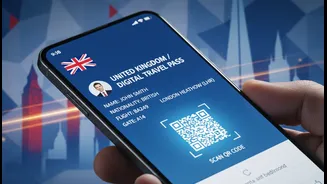
The Electronic Travel Authorisation (ETA) is a new requirement for people who do not need a visa to visit the UK for short stays, such as for tourism or business meetings. Nationals from countries like the USA, Canada, Australia, and all EU member states must now apply for an ETA before they travel. The application is typically done online or through a dedicated smartphone app, where travellers provide their details and pay a fee, which currently costs around £16 to £20. The ETA is then digitally linked to their passport and is valid for two years, allowing for multiple visits. Airlines will check for a valid ETA before allowing a passenger to board a flight to the UK.
A Crucial Note for Indian Travellers
This is the most important point for anyone travelling on an Indian passport: you are not eligible for the UK's ETA scheme. The ETA system is exclusively for nationalities that can currently enter the UK visa-free for short stays. Since Indian citizens are required to have a visa to visit the UK for any purpose, the ETA rules do not apply. Attempting to travel without a proper visa, believing an ETA is sufficient, will result in being denied boarding by your airline. The requirement for Indian nationals to secure a visa before travelling to the United Kingdom remains firmly in place.
The Real Change: UK eVisas for Indians
While the ETA does not apply to Indian citizens, they are still affected by the UK's digital border transformation. The key change is the transition from traditional visa stickers (vignettes) placed in your passport to a fully digital system known as the 'eVisa'. From February 2026, all immigration permissions for the UK are recorded digitally. When an Indian national is granted a UK visa, they will no longer receive a physical sticker. Instead, their permission to enter and stay in the UK is held in a secure online record, digitally linked to their passport.
How the New eVisa System Works
The process for applying for a UK visa from India remains largely the same—you will still need to fill out the application form, provide supporting documents, and attend an appointment to submit your biometric information (fingerprints and a photograph). The major difference happens after your visa is approved. You will now create and manage your immigration status through an online UK Visas and Immigration (UKVI) account. This account becomes your digital proof of status. Airlines will verify this digital record before you fly, and border officials will check it upon your arrival in the UK. This eliminates the risk of a physical visa being lost, stolen, or damaged.
Preparing for Your Trip Under New Rules
Under this new digital system, being prepared is key. Before any travel, you must log into your UKVI account to ensure all details are correct and your eVisa status is active. It is essential that you travel using the exact same passport that is linked to your digital visa record. If you get a new passport, you must update your details with the UKVI before you travel, or you may face issues. Your phone becomes key not for an ETA app, but for accessing your UKVI account to view and manage your immigration status, making it a critical tool for a smooth journey.