





The Allure of the Muck
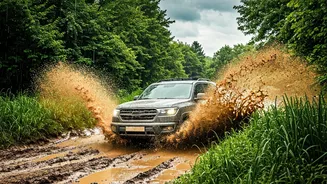
Why would anyone deliberately drive into slush, streams, and slippery inclines? The answer lies in the unique sensory overload that only monsoon off-roading can provide. The landscape, often parched and brown, transforms into a riot of emerald green.
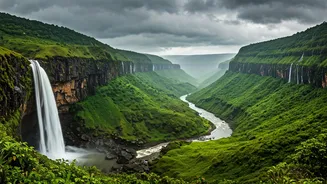
Seasonal waterfalls appear out of nowhere, and the air is thick with the smell of wet earth. It’s not just about conquering an obstacle; it’s about experiencing nature at its most raw and revitalised. For thrill-seekers, the challenge is the main draw. A dry trail you conquered in summer becomes an entirely new beast in the rain. The lack of traction, the reduced visibility, and the constant need to assess the terrain turn every kilometre into a puzzle. Solving it provides a rush that a simple highway drive never could.
Essential Gear for Your Beast
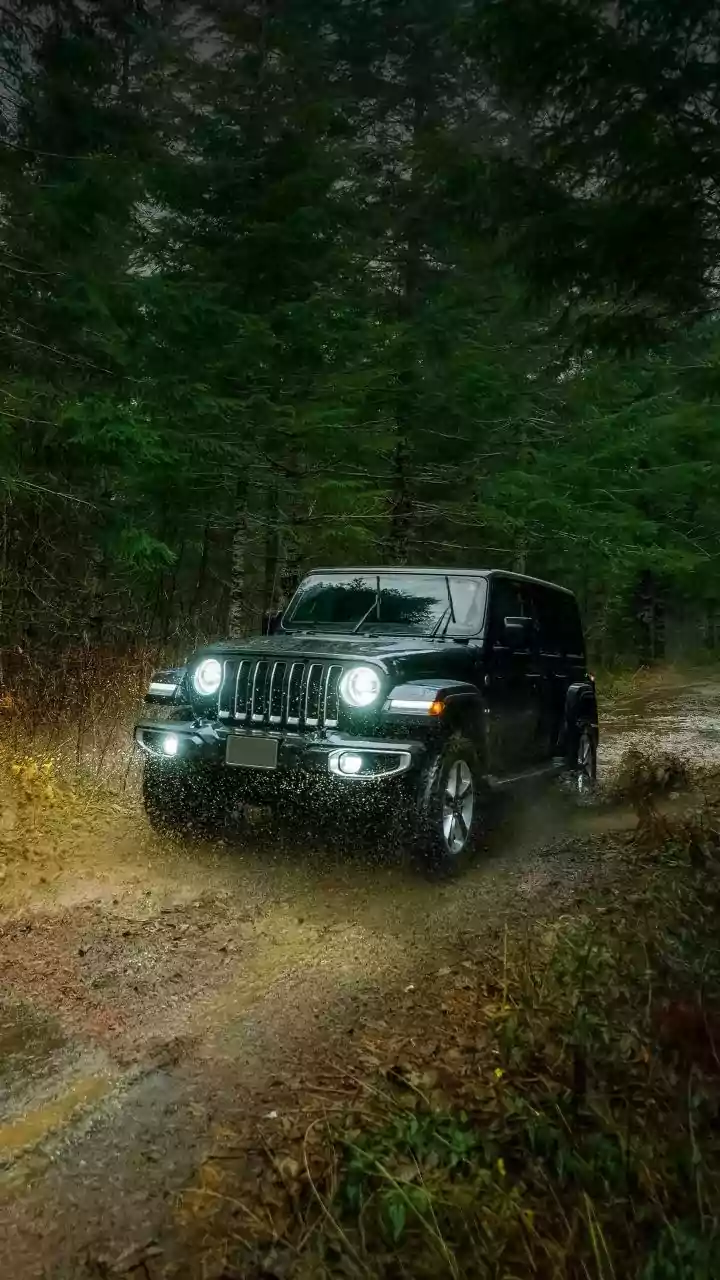
Heading into the wild without the right equipment is a recipe for a very long, wet walk home. Your standard SUV won’t cut it. First, tyres are paramount. All-terrain (A/T) tyres are a minimum, but dedicated Mud-Terrain (M/T) tyres with deep treads are your best friends for gripping slushy surfaces. Next, a snorkel is non-negotiable. This raised air intake allows your engine to breathe even when you’re wading through deep water, preventing a catastrophic failure. A robust recovery kit is just as crucial. This should include a tow strap, D-shackles, a shovel, and a high-lift jack. If you’re serious, a winch mounted to the front of your vehicle provides the ultimate self-recovery insurance. Finally, ensure your 4x4 system is in perfect working order and that you have adequate underbody protection to shield vital components from rocks hidden beneath the mud.
India's Premier Monsoon Playgrounds
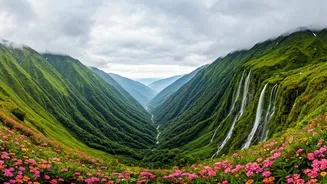
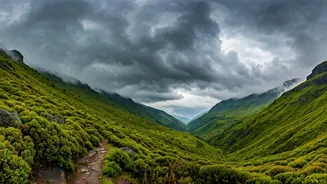
India is blessed with diverse geography that becomes an off-roader’s paradise during the rains. Here are a few legendary spots: **The Western Ghats (Maharashtra & Karnataka):** Places like Lonavala, Igatpuri, and the regions around Sakleshpur and Coorg offer a labyrinth of trails. Expect steep, slippery inclines, dense foliage, and countless water crossings. The reward is breathtaking views of mist-covered valleys. **The Aravalli Range (Rajasthan):** While known for its arid landscape, the Aravallis near Udaipur and Jaipur offer a different kind of monsoon challenge. The rocky terrain becomes slick, and flash floods can turn dry riverbeds into raging torrents in minutes, testing a driver’s skill and nerve. **The Foothills of the Himalayas (Uttarakhand & Himachal Pradesh):** For the truly hardcore, the lower Himalayas present the ultimate test. Trails are prone to landslides, and river crossings can be formidable. This is expert-level territory, but the unparalleled beauty of the rain-washed mountains is a worthy prize.
The Unbreakable Rules of the Trail
Adventure is fun, but safety is everything. The number one rule of off-roading is to never, ever go alone. Always travel in a convoy of at least two vehicles. If one gets stuck, the other can provide recovery assistance. Before you even leave, check the weather forecast obsessively. A moderate drizzle is fun; a cloudburst can be deadly, causing landslides and flash floods. Inform someone who isn’t on the trip about your intended route and your estimated time of return. Carry extra food, water, a first-aid kit, and fully charged power banks and communication devices. Lastly, know your own limits and the limits of your vehicle. There’s no shame in turning back if a situation feels too dangerous. The trail will be there another day.
Technique: The Art of the Slide
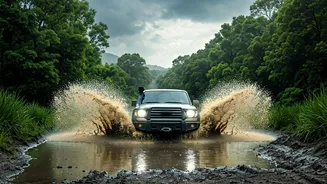
Driving in mud is more like steering a boat than a car. Momentum is your friend, but too much speed can lead to a loss of control. Maintain a steady pace, and if you feel the vehicle starting to bog down, don't floor the accelerator—that will only dig you in deeper. Instead, try gently turning the steering wheel left and right to help the tyres find new grip. When approaching a water crossing, always walk it first to check the depth and look for submerged obstacles. Drive through slowly and steadily, creating a 'bow wave' with the front of your vehicle. Avoid splashing, as this can force water into the engine bay. On slippery inclines, use a low gear (4L) and maintain consistent throttle to avoid wheelspin. It's a delicate dance of power and patience.