


Forget frantic, checklist-driven holidays. A quieter, more meaningful way of exploring is taking hold. The slow travel movement is encouraging travellers to trade hurried itineraries for deep immersion, transforming local economies one stay at a time.
From 'Slow Food' to Slow Stays
The philosophy of 'slow travel' traces its roots back to the 'slow food' movement of the 1980s, which began as a protest against the opening of a fast-food restaurant in Rome. The idea was to champion local cuisine, traditional production methods, and a more mindful approach to eating. That same ethos now defines a growing segment of tourism. Slow travel encourages visitors to spend more time in a single destination rather than rushing through several. The focus is on connecting with the local community, culture, and environment, favouring depth of experience over breadth of distance. Instead of a whirlwind week across three cities, a slow traveller might spend that entire week in one village, getting to know the local shopkeepers, learning to cook a regional dish, and understanding the rhythm of daily life.
Why Homestays are the Perfect Match
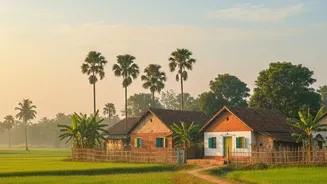
Nowhere does this philosophy find a better home than in the homestays dotted across the hills and backwaters of Southern India. Unlike standardized hotels, homestays offer an inherently authentic experience. Travellers don't just get a room; they get a temporary place in a family, complete with home-cooked meals and insider knowledge about the area. For a slow traveller seeking genuine connection, this is the ultimate prize. This model creates a powerful symbiosis: the traveller gets an unfiltered cultural experience, and the host family receives direct economic benefits, turning a spare room into a sustainable source of income. This is particularly impactful in rural areas where traditional livelihood options like agriculture can be seasonal and unpredictable.
A Direct Economic Injection
When a traveller chooses a homestay, the economic impact is immediate and local. The money spent on accommodation goes directly to the family, rather than a distant corporate headquarters. This empowers families, particularly women, who often manage the majority of homestay operations. A significant portion of this revenue is then spent within the village, supporting local farmers for produce, hiring local taxis, and promoting local artisans and cultural activities. This creates a 'multiplier effect,' where tourist spending ripples through the community, creating jobs and strengthening the local supply chain. For example, agritourism, a close cousin of slow travel, has been shown to significantly boost farmer incomes in states like Karnataka and Maharashtra through farm stays and related activities.
Kerala and Karnataka: The Epicentres of the Movement
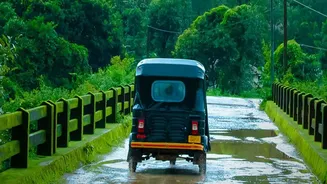
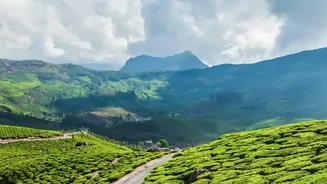
Southern states, particularly Kerala and Karnataka, have become hotspots for this trend. Kerala's serene backwaters, misty tea plantations in Munnar, and historic streets of Fort Kochi naturally encourage a relaxed pace. The state's well-established network of homestays provides the perfect infrastructure for travellers wanting to immerse themselves. Similarly, the regions of Coorg and Chikmagalur in Karnataka, known for coffee plantations and verdant hills, are ideal for slow, nature-focused getaways. Here, homestays range from simple farm-based rooms to more luxurious plantation bungalows, all offering a chance to escape the urban rush and experience a quieter, more grounded way of living.
Challenges on the Unpaved Path
While the benefits are clear, the path isn't without its obstacles. Many homestay owners in remote areas grapple with inconsistent internet connectivity, which is crucial for listings and bookings. There can also be challenges related to seasonal income fluctuations and the need for training in hospitality standards without losing the authentic charm that makes homestays special. Government support and community-led initiatives are increasingly stepping in to provide training, financial assistance, and help standardize service quality, ensuring the growth is sustainable and that the benefits are distributed equitably. The goal is to professionalize without sterilizing, to upgrade facilities while preserving the core cultural experience.