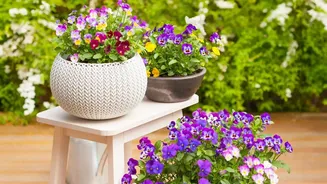





The Enduring Charm of Pansies
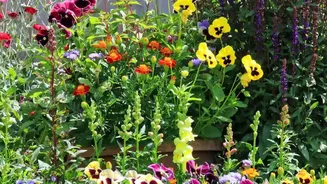
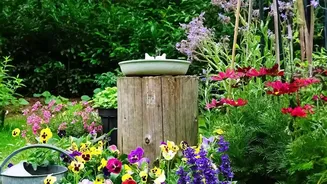
With their unique, face-like markings and velvety petals, pansies are a quintessential cool-weather flower. They come in a wide spectrum of colours like blue, purple, yellow, and white, making them excellent for borders, window boxes, and pots. In most
parts of India, the best time to sow pansy seeds is from late September to November when the nights begin to cool. They thrive with at least six hours of direct sunlight but appreciate partial shade in warmer weather. For healthy growth, plant them in rich, well-draining soil and keep it consistently moist but not waterlogged. A monthly feed with a balanced fertiliser during the blooming season will encourage a steady show of flowers.
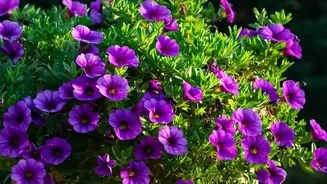
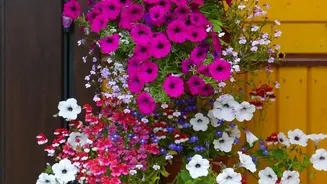
The Prolific Power of Petunias
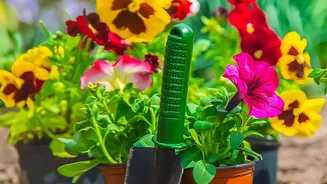
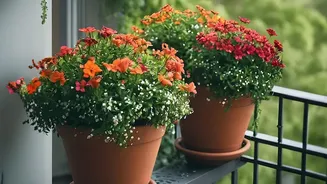
Petunias are undisputed stars of the winter garden, known for their trumpet-shaped flowers and prolific blooming. Available in a dazzling range of colours and patterns, they are perfect for creating cascading waterfalls of colour in hanging baskets, pots, and garden beds. For best results, they require at least five to six hours of full sun daily. Their seeds are as fine as dust and need light to germinate, so they should be sprinkled on the surface of the soil and not covered. The ideal sowing time in most regions is between October and November. Water them regularly, but allow the top inch of soil to dry out between waterings to prevent root rot.
The Sunny Disposition of Marigolds
A staple in Indian culture and gardens, the marigold (genda) is incredibly hardy and easy to grow. Its bright yellow and orange blooms bring a splash of sunshine to any space. Marigolds are resilient flowers that thrive in full sunlight and can withstand cooler temperatures, making them a reliable choice for the winter season. They perform well in most soil types but prefer well-draining soil to avoid waterlogging. These flowers are suitable for everything from pots and containers to garden beds and borders, and with minimal care, they will continue to bloom throughout the winter.
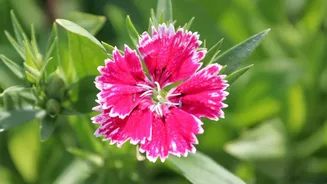
The Delicate Beauty of Dianthus
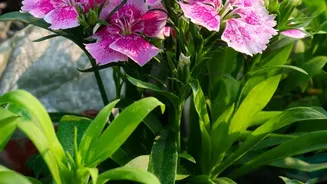
Often called 'Pinks', Dianthus plants produce attractive, fringed flowers that often carry a subtle, clove-like fragrance. They come in various colours and are a popular choice for decorative gardens, pots, and borders. Dianthus needs full sun and well-draining soil to flourish; it will not thrive in waterlogged conditions. They are relatively easy to care for and can provide a steady stream of delicate blooms that add a touch of elegance to your winter garden display. Removing faded flowers will help keep the plants tidy and encourage more blooms.
The Bold Statement of Dahlia
Dahlias offer a spectacular variety of shapes and sizes, from small pom-poms to large 'dinner-plate' blooms. While they are tender perennials, they can be grown as winter annuals in many Indian climates. Plant the tubers in spring after the frost has passed, in a spot that gets plenty of sun. They require well-drained soil and consistent moisture to produce their magnificent flowers. In colder regions, the tubers must be dug up and stored in a cool, dry place after the first frost to be replanted the following year. In milder climates, they can be left in the ground with a protective layer of mulch.
The Cheerful Face of Calendula
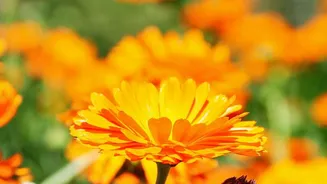
Also known as pot marigold, Calendula is a cheerful and resilient flower that brings bright yellow and orange hues to the winter garden. Beyond its beauty, Calendula is known for being very cold-tolerant and its petals are sometimes used for medicinal purposes. It is very adaptable and thrives in full sun or partial shade, growing well even in average soils as long as they offer good drainage. This easy-to-grow flower is an excellent choice for beginners and adds a sunny, vibrant touch to garden beds and pots.