


The Allure of Unplugging
Slow travel is a mindset that prioritizes connection over checklists. Emerging as an alternative to mass tourism, it encourages a deeper, more mindful engagement with a destination. Instead of rushing between sights, the goal is to immerse oneself in the local
culture, environment, and community. Greenland, with its vast, unspoiled landscapes and self-reliant settlements, is an ideal setting for this philosophy. Life here is dictated not by the clock, but by the seasons, the sea, and the ice. The absence of roads between towns means travel itself is a deliberate act, often by boat or helicopter, forcing a slower, more intentional pace from the very start.
The Rhythm of Village Life
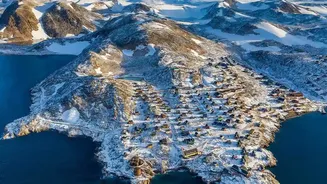
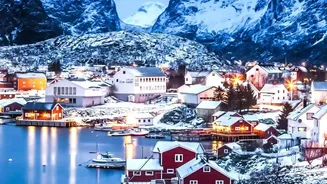
Life in a Greenlandic settlement operates on a different frequency. With populations often numbering only a few hundred, these communities are incredibly close-knit. Daily life revolves around essential activities like hunting and fishing, traditions that have sustained Inuit culture for generations. There are no fast-food chains or sprawling shopping centers. Instead, you’ll find a quiet rhythm: sled dogs howling in the distance, the gentle hum of a fishing boat returning to harbor, and neighbours stopping to chat. This environment invites visitors to participate rather than just observe—to slow down, listen to local stories, and appreciate the profound silence of the Arctic.
East Greenland: Kulusuk's Gateway
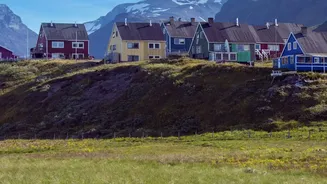
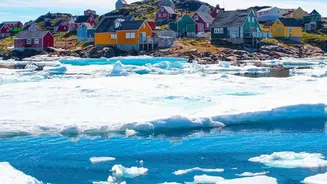
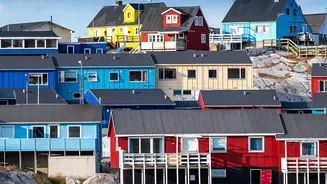
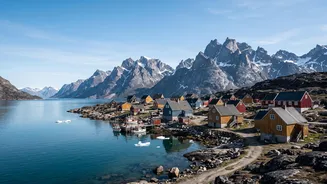
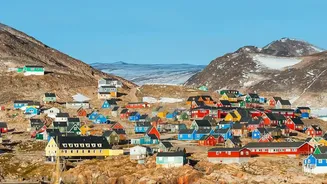
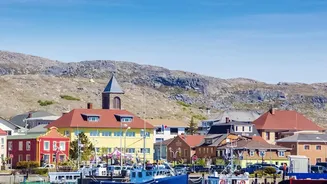
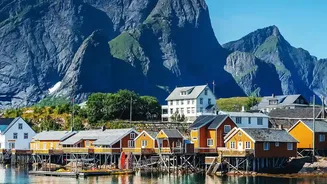
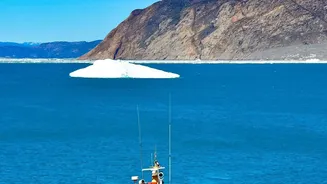
As one of the main gateways to wild East Greenland, the village of Kulusuk offers a perfect introduction to slow travel. Home to around 250 people, this small settlement is a tapestry of brightly painted houses set against a backdrop of dramatic mountains and floating icebergs. Life here remains deeply connected to traditional Inuit culture, with hunting and fishing forming the backbone of the community. A slow traveler might spend their days hiking to viewpoints overlooking the Denmark Strait, visiting the local museum to learn about drum dancing traditions, or simply sitting by the shore watching icebergs drift by. It’s a place where the journey—even the 45-minute walk from the airport to the village—is part of the experience.
South Greenland: Igaliku's Verdant History
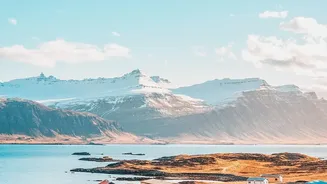
In contrast to the icy landscapes of the east, South Greenland offers lush, green valleys. Here lies Igaliku, a tiny sheep-farming settlement with a population of about 30 people. What makes Igaliku special is its unique blend of stunning nature and deep history; it is built amidst the ruins of Garðar, the religious heart of the Norse settlers in the Middle Ages. The area is part of a UNESCO World Heritage site. A visit here is an exercise in tranquility. Travelers arrive by boat and then walk the four-kilometer 'King's Road' to the village. Days can be spent hiking to waterfalls, exploring the thousand-year-old Norse ruins, or watching farmers tend to their fields, all while surrounded by mountains and fjords.
Embracing a Slower Itinerary
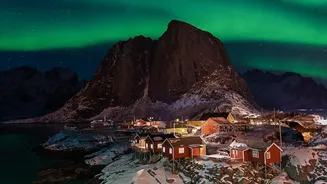
The true reward of slow travel in Greenland is not a collection of photos, but a change in perspective. An unhurried itinerary allows for spontaneous moments: a shared cup of coffee with a local family, an afternoon spent kayaking among serene ice formations, or hours dedicated to watching the northern lights paint the winter sky. It means embracing 'immaqa'—the Greenlandic word for 'maybe'—and accepting that weather and ice conditions can reshape your plans at any moment. This philosophy encourages travelers to let go of control and simply be present, finding richness in the quiet moments and appreciating the profound beauty of a land at the edge of the world.