


A Ritual Steeped in Nostalgia
Long before Instagram hashtags existed, the pairing of rain with hot, fried snacks was a cherished ritual in Indian households. The craving for pakoras and a steaming cup of masala chai isn't just about hunger; it's deeply woven into the fabric of memory
and tradition. For many, the sizzle of batter hitting hot oil is the sound of childhood, evoking memories of family gathered together, sharing stories while waiting out a downpour. This act of preparing and sharing food transforms a gloomy day into a cozy, communal experience. It's a simple pleasure that has been passed down through generations, making these foods less of a snack and more of a comforting embrace from the past.
The Science of Rainy Day Cravings
There's a fascinating science behind why these specific foods feel so irresistible during the monsoon. Psychologists point to several factors. Firstly, the drop in temperature makes us naturally gravitate towards warm foods. A hot pakora or a cup of chai provides sensory warmth that contrasts beautifully with the cool, damp weather outside. Secondly, the texture of fried foods plays a huge role. The satisfying crunch stimulates our senses, making the experience more rewarding. Furthermore, carbohydrate-rich and spicy foods can trigger the release of mood-boosting neurotransmitters like serotonin and dopamine, helping to combat the gloominess that can accompany overcast weather. Even the signature scent of rain, known as petrichor, can create a sense of calm and nostalgia, setting the stage for these powerful cravings.
The Unofficial Monsoon Menu
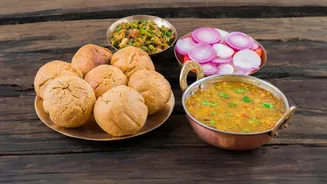
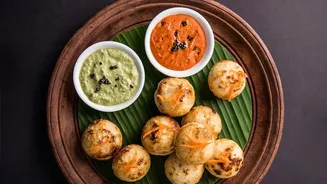
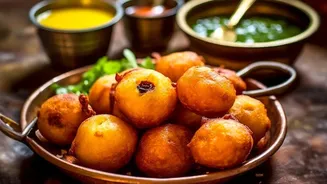
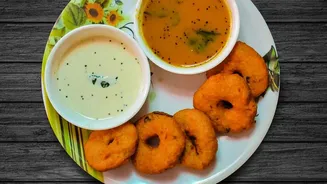
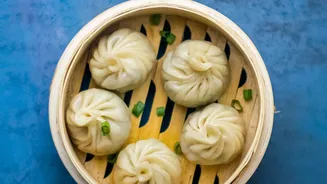
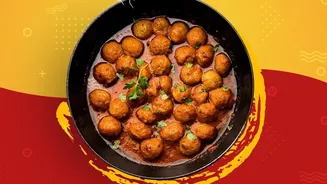
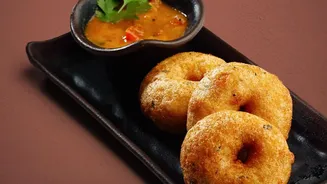
While tastes vary across the country, a few undisputed superstars make up India's unofficial monsoon menu. Crispy onion pakoras, or 'kanda bhaji', are perhaps the most beloved rainy-day snack, enjoyed for their crunchy exterior and soft interior. No plate of pakoras is complete without its partner: a steaming cup of 'adrak chai' or ginger tea, its warmth and spice cutting through the richness of the fried food. Close behind are samosas, with their flaky pastry and spicy potato filling. The season also brings roasted corn on the cob, or 'bhutta', often charred over coals and rubbed with lime and spices. In Mumbai, the humble vada pav becomes an even more comforting bite on a wet day, while in recent years, steaming hot momos have also joined the ranks of monsoon favourites.
From Street Corner to Social Feed
What was once a private, homely ritual is now a public celebration, thanks to social media. The visual appeal of monsoon foods is undeniable. The golden-brown crispiness of a samosa, the steam rising from a cup of chai, and a platter of assorted pakoras are all incredibly photogenic. Platforms like Instagram and Facebook are flooded with images and videos capturing these moments, turning a personal craving into a nationwide trend. Food bloggers share recipes, restaurants announce monsoon-special menus, and everyday users post their own rainy-day indulgences. This digital sharing doesn't just reflect the trend; it amplifies it, reminding others of the beloved tradition and inspiring them to partake, keeping the cycle of craving, cooking, and sharing alive.
A Modern, Healthier Twist
Even as the tradition endures, it's also evolving. Alongside the deep-fried classics, a parallel trend toward healthier preparations is gaining traction. Health-conscious foodies are recreating their favourite monsoon snacks using air fryers and ovens to achieve that satisfying crunch without the excess oil. Recipes for baked samosas, air-fried pakoras, and steamed snacks like dhokla are being widely shared, allowing people to indulge their cravings in a more guilt-free manner. This modern adaptation shows the tradition is not static; it's being thoughtfully updated to fit contemporary lifestyles while preserving the core feeling of comfort and joy that these foods represent.