






Why Monsoon Air Is a Challenge for Your Skin
The primary difference between summer and monsoon is the dramatic increase in humidity. While summer is defined by dry heat and sweat, the monsoon brings a constantly damp environment. High humidity signals your skin's sebaceous glands to produce more
oil, or sebum. This excess oil mixes with sweat, dead skin cells, and environmental pollutants, creating a sticky film that clogs pores. This warm, moist environment is also an ideal breeding ground for acne-causing bacteria and even fungal infections, which can lead to stubborn breakouts on the face, back, and chest.
Monsoon vs. Summer Acne: Key Differences
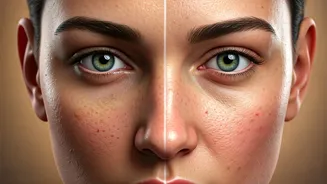
Summer acne is often caused by a straightforward mix of sweat, sun exposure, and potentially heavy sunscreens. The breakouts are typically related to excess oil production triggered by heat. Monsoon acne, however, is more complex. It's exacerbated by the constant environmental moisture that prevents sweat from evaporating, trapping impurities on the skin. This can lead to a mix of bacterial acne and sometimes fungal acne (Malassezia folliculitis), which presents as small, itchy bumps that don't respond to traditional acne treatments. The high moisture can also disrupt the skin's natural exfoliation process, causing a faster buildup of dead cells.
Adjust Your Cleansing Strategy
During the monsoon, cleansing is crucial, but over-cleansing can backfire. Washing your face too frequently or with harsh cleansers can strip the skin of its natural oils, triggering it to produce even more sebum to compensate. Instead, wash your face twice daily with a gentle, pH-balanced cleanser. Look for ingredients like salicylic acid, which can help dissolve oil and unclog pores without being overly aggressive. This helps remove the daily grime, sweat, and excess oil that accumulate in the humid air.
Embrace Lightweight Hydration
It’s a common misconception that oily, broken-out skin doesn’t need a moisturiser, especially in humid weather. However, skipping this step can dehydrate your skin, prompting it to produce more oil. The key is to switch from heavy, oil-based creams to lightweight, non-comedogenic (pore-clogging) formulas. Gel-based or water-based moisturisers are ideal for the monsoon. Look for ingredients like hyaluronic acid and glycerin, which hydrate the skin by drawing moisture from the air without feeling heavy or greasy.
Exfoliate Gently and Consistently
With the skin’s natural shedding process slowed by humidity, regular exfoliation is necessary to prevent dead skin cells from building up and clogging pores. However, avoid harsh physical scrubs, which can create micro-tears and irritate already inflamed skin. Instead, opt for chemical exfoliants containing Alpha-Hydroxy Acids (AHAs) like glycolic acid or Beta-Hydroxy Acids (BHAs) like salicylic acid. These gently dissolve the bonds holding dead skin cells to the surface, revealing clearer skin underneath. Using a gentle scrub or a chemical exfoliant 1-2 times a week is usually sufficient.
Essential Tips for Monsoon Skin Health
Beyond your core routine, a few extra habits can make a big difference. First, don't skip sunscreen. UV rays penetrate clouds, and sun exposure can worsen inflammation and post-acne marks. Choose a lightweight, oil-free, or gel-based sunscreen with at least SPF 30. Second, avoid heavy makeup that can suffocate the skin and clog pores; if you do wear it, be sure to double-cleanse at night to remove it all. Finally, incorporating targeted ingredients like niacinamide to control oil, tea tree oil for its antibacterial properties, or a clay mask once a week can help draw out impurities and keep breakouts at bay.