


Feast on a Grand Onam Sadya
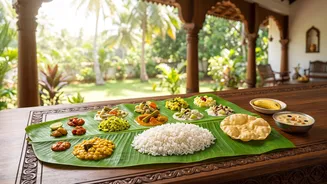
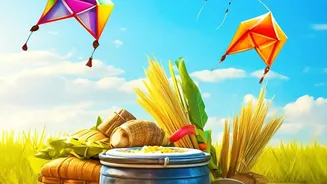
At the heart of Onam is the Sadya, a magnificent vegetarian feast that is as much a cultural ritual as it is a meal. Served on a fresh banana leaf, this elaborate spread can feature anywhere from 20 to over 30 dishes, each with its own designated spot
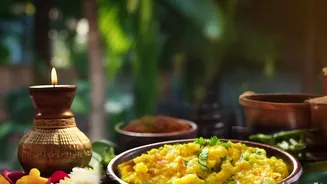
on the leaf. The meal is a symphony of flavours, balancing sweet, salty, sour, and spicy elements. Key dishes include staples like rice, parippu (lentil curry with ghee), sambar, and avial—a creamy mix of vegetables in a coconut and yogurt sauce. Accompaniments like crunchy banana chips (upperi), tangy pickles, and crisp pappadams add texture and complexity. Eating a Sadya is a sensory experience, a taste of the abundance and hospitality that define Kerala’s biggest festival.
Witness the Thrilling Vallam Kali
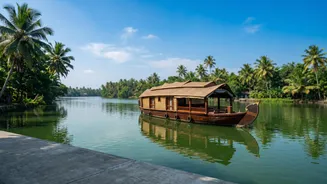
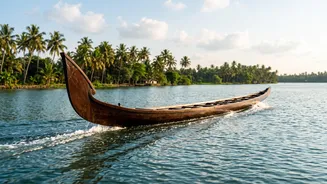
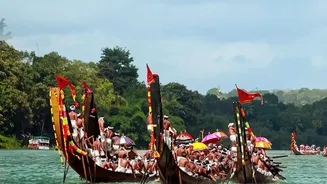
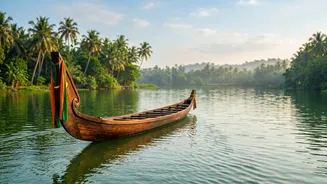
Onam celebrations are incomplete without the electrifying spectacle of Vallam Kali, or snake boat races. These races, held on Kerala's famous backwaters, are a powerful display of teamwork and community pride. The stars of the show are the Chundan Vallams, or snake boats, which are massive wooden canoes stretching over 100 feet long. Each boat carries more than 100 rowers, who paddle in perfect synchrony to the rhythmic chants of boat songs (Vanchipattu) and the beat of drums. The atmosphere is electric as entire villages gather on the banks to cheer on their teams. To see these majestic boats gliding through the water at incredible speed is to witness a tradition rooted in centuries of history. The Nehru Trophy Boat Race in Alappuzha is one of the most famous events.
Marvel at Intricate Pookalam Designs
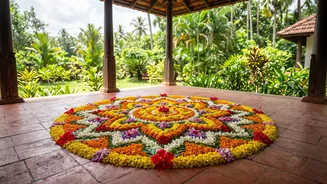
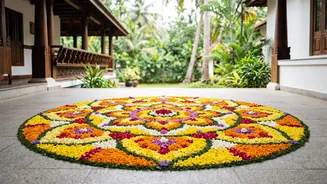
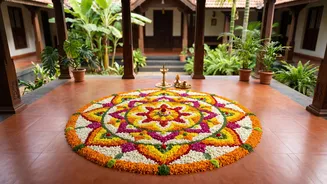
The first sign that Onam has arrived in Kerala is the appearance of the Pookalam, a beautiful and intricate floral carpet. These vibrant designs are created on the floors of homes, offices, and public spaces to welcome the spirit of the legendary King Mahabali. Making a Pookalam is a daily ritual during the 10 days of Onam, with the design growing larger and more complex each day. Traditionally made with locally sourced flowers like marigolds and jasmine, these creations are a testament to artistry and community spirit, as families and neighbours often gather to assemble them. Far more than just decoration, the Pookalam is a living symbol of unity, prosperity, and the festive joy that fills the air.
Experience the Energetic Pulikali Tiger Dance
For a truly unique and unforgettable experience, head to Thrissur on the fourth day of Onam for Pulikali, the 'Tiger Dance'. This vibrant and playful folk art form sees hundreds of performers transform themselves into tigers and leopards. Their bodies are painstakingly painted with bold stripes of yellow, red, and black, a process that takes hours. The dancers then take to the streets, mimicking the movements of tigers and hunters, all set to the powerful rhythms of traditional percussion instruments like the chenda and thakil. Believed to have been introduced by a former king of Cochin, this 200-year-old tradition is a roaring spectacle of energy and colour that draws massive crowds and embodies the wild spirit of the festival.
Enjoy Graceful Folk Dances and Music
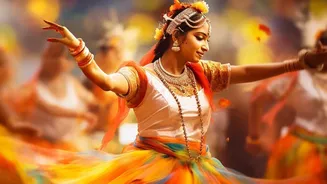
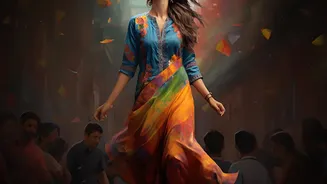
Onam is a showcase for Kerala's rich tapestry of performing arts. Among the most elegant is Kaikottikali (also known as Thiruvathirakali), a graceful dance performed by women. Dressed in traditional white and gold sarees with jasmine flowers in their hair, the dancers move in a circle, clapping their hands in rhythmic patterns as they sing songs praising King Mahabali or telling mythological stories. The performance, often centered around a traditional lamp or a Pookalam, is a vision of simplicity and coordinated grace. Beyond Kaikottikali, the festival is filled with various other folk performances, including Kathakali, a highly stylized dance-drama, and Kummattikali, a colourful mask-dance, offering visitors a deep dive into the state's cultural soul.