







Rethink Your Diet for the Rains
The monsoon dampens our digestive fire, making us more susceptible to stomach issues. This is the time to favour light, home-cooked meals. Opt for seasonal vegetables like bottle gourd (lauki), bitter gourd (karela), and pointed gourd (parwal). Incorporate
immunity-boosting spices like turmeric (haldi), ginger (adrak), and black pepper (kali mirch) into your cooking. It’s wise to avoid leafy green vegetables unless they are thoroughly washed and cooked, as they can carry dirt and germs. Steer clear of oily, heavy street food, which is often prepared in unhygienic conditions and can lead to infections. A warm bowl of soup or a light moong dal khichdi can be both comforting and easy on the stomach.
Prioritise Water Purity and Hydration
Water-borne diseases like typhoid, cholera, and jaundice are at their peak during the monsoon. The single most important step is to ensure the water you drink is safe. Always drink boiled, filtered, or purified water. If you’re outside, carry your own water bottle or opt for sealed, branded beverages. Avoid drinking juices or water from street vendors. Even when you're not feeling particularly thirsty due to the cool weather, it's crucial to stay hydrated. Herbal teas like ginger-lemon or tulsi tea are excellent choices as they not only hydrate but also help keep infections at bay.
Adapt Your Skincare Routine
High humidity can wreak havoc on your skin, leading to clogged pores, acne, and fungal infections. Switch to a lighter, water-based moisturiser to avoid greasiness. It's essential to cleanse your face twice a day to remove excess oil and grime. Exfoliating once or twice a week can help keep pores clean. Fungal infections, especially on the feet ('athlete's foot'), are common. Keep your feet clean and dry, and avoid walking in puddles. If you get drenched in the rain, take a shower as soon as you get home and make sure to dry yourself thoroughly, paying special attention to skin folds.
Guard Against Mosquitoes
Stagnant water creates a breeding ground for mosquitoes, increasing the risk of diseases like dengue, malaria, and chikungunya. The first line of defence is prevention. Do not allow water to collect in coolers, pots, or any open containers around your home. Use mosquito nets at night, especially for children. Applying a good-quality mosquito repellent on exposed skin when you step out is a non-negotiable habit. Wearing light-coloured, full-sleeved clothing can also offer a layer of protection against bites, particularly during dawn and dusk when mosquitoes are most active.
Keep Your Home Dry and Ventilated
The dampness of the monsoon can lead to mould and mildew in your home, which can trigger allergies and respiratory problems. Ensure your house has good ventilation to allow air to circulate freely. Use dehumidifiers if necessary, especially in closets and closed spaces where clothes can develop a musty smell. Check for and repair any leaks in the walls or roof. Sunlight is a natural disinfectant, so on the rare sunny day, open up all your windows to let the light and fresh air in. Camphor or neem leaves can be placed in cupboards to absorb moisture and repel insects.
Stay Active Indoors
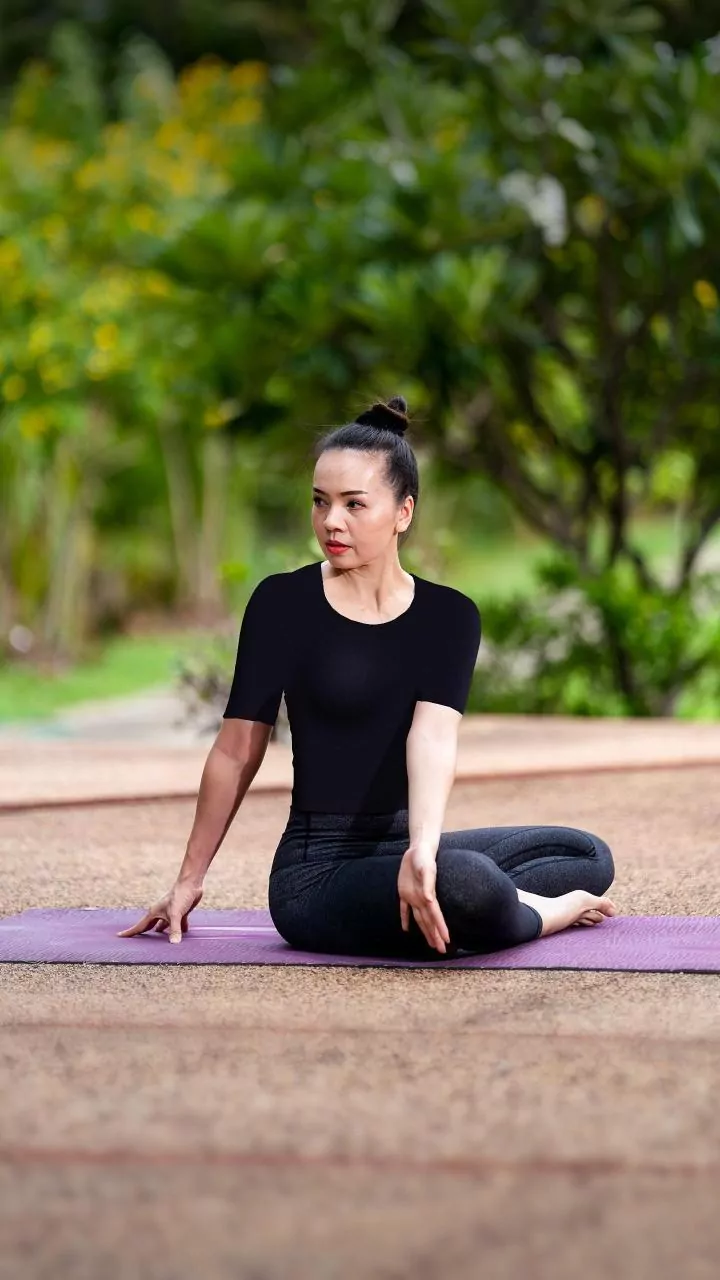
The rain might make it difficult to go for your daily walk or run, but that’s no excuse to become sedentary. Staying active is crucial for maintaining good immunity and overall well-being. Find an indoor workout routine that works for you. This could be anything from yoga and stretching to a high-intensity interval training (HIIT) session in your living room. There are countless free workout videos available online to guide you. Regular exercise boosts circulation and helps your body fight off infections more effectively.