



A Monsoon-Fed Paradise
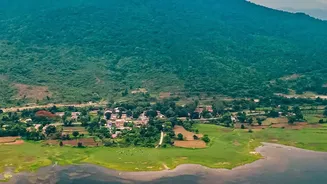
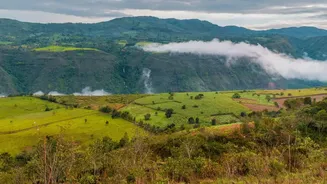
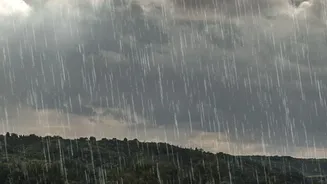
Located approximately 50 kilometres from the Bokaro district headquarters, Sevati Valley undergoes a dramatic transformation with the arrival of the rains. What might be a quiet, sleepy area for most of the year awakens into a spectacle of nature. The
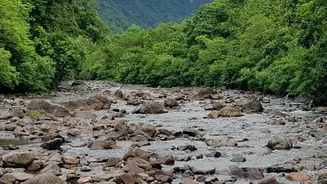
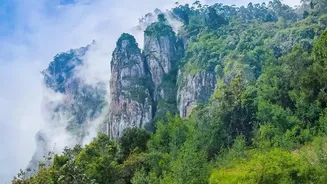
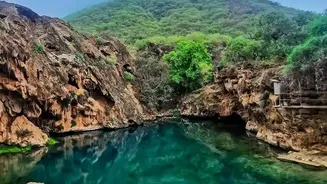
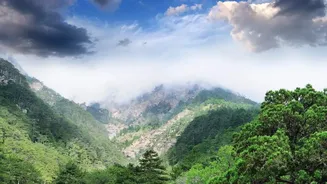
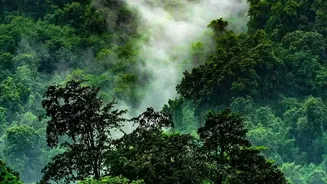
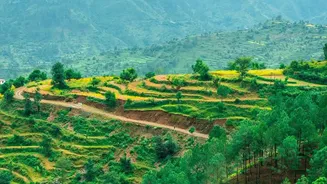
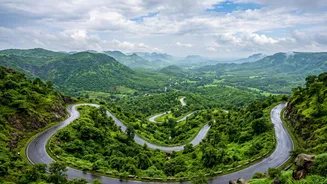
valley, situated in the Kasmar block along the Jharkhand-West Bengal border, becomes a canvas of deep greens and misty clouds. This seasonal makeover turns the region into a magnet for nature lovers and those looking for a quick, refreshing break from city life. The landscape, marked by rolling hills and dense foliage, becomes especially picturesque, with streams and rivulets crisscrossing the terrain.
The Roaring Waterfall's Allure
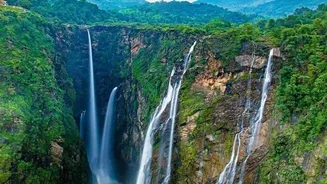
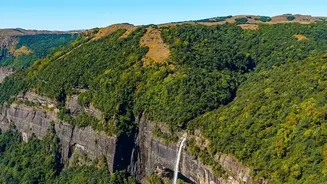
The star attraction of Sevati Valley during the monsoon is undoubtedly its magnificent waterfall. Fed by the continuous rains, the waterfall swells into a powerful, gushing cascade of white water that cuts a striking figure against the lush greenery of the hills. The sight and sound of the falls are a major draw, prompting many motorists and travellers to stop and soak in the view. For many visitors, the chance to witness the waterfall in its full, roaring glory is the primary reason for the trip. It has become a popular backdrop for photos and selfies, with visitors from Bokaro and nearby areas flocking to capture its seasonal beauty.
Beyond the Main Cascade
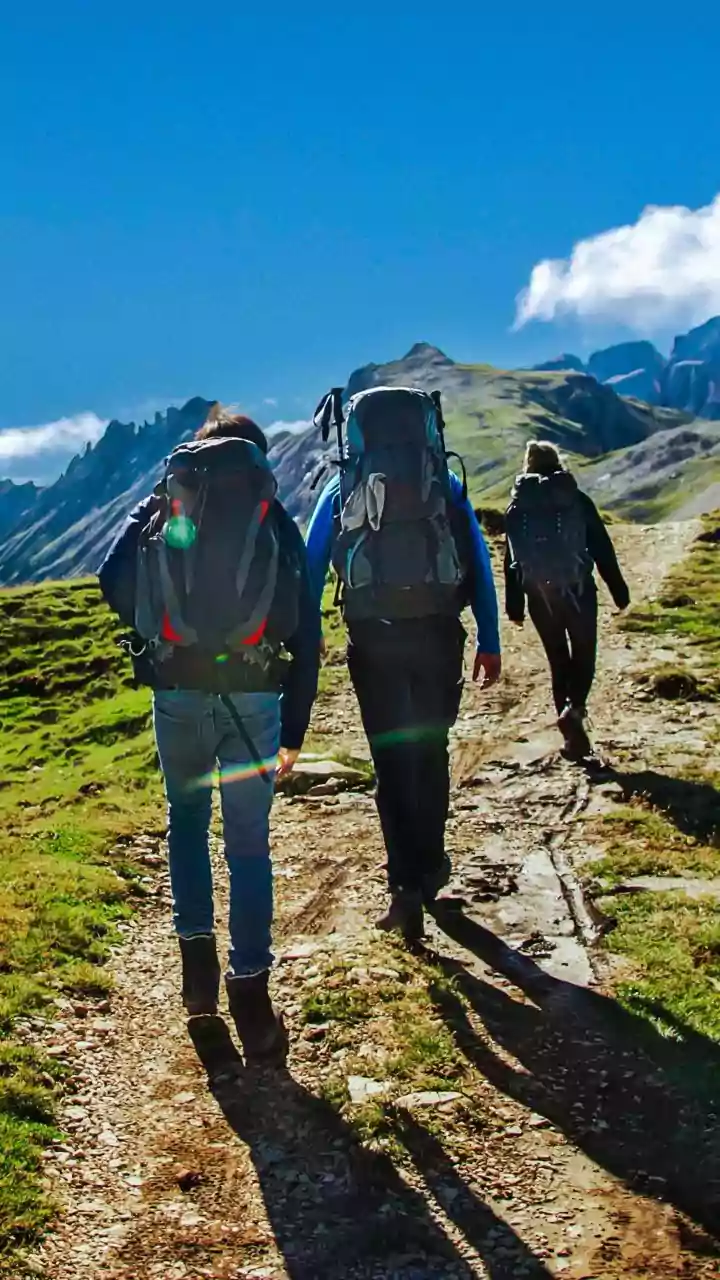
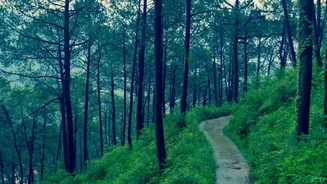
While the waterfall is the main event, the valley offers more for a day-tripper. The serene environment is ideal for picnics with family and friends, though it's best to bring your own supplies as facilities are minimal. The area around the valley, with its hills and natural beauty, is a fantastic subject for photographers looking to capture the essence of Jharkhand's monsoon. For the more adventurous, the terrain offers opportunities for trekking and hiking through the verdant landscape. The entire experience is about disconnecting and immersing oneself in the pure, rain-washed tranquillity of the Eastern Indian countryside.
Planning Your Visit
Reaching Sevati Valley is a journey in itself. It is located about 49-50 km from Bokaro Steel City. The most convenient way to travel is by road, using a private car or a hired taxi. The nearest major railway station is in Bokaro, and the closest airport is Birsa Munda Airport in Ranchi, roughly 120 km away. While many travel guides suggest October to March as the best time to visit for pleasant weather, the true magic of the valley's waterfalls is only unlocked during the monsoon months of July through September. Visitors should be prepared for a rustic experience. Locals and officials have noted that tourism infrastructure is still developing. There is a lack of permanent seating areas, sanitation facilities, and food stalls, so it's wise to carry your own food, water, and a first-aid kit.
A Gem in the Making
Sevati Valley is listed on the state's tourism map, but it retains the charm of a place that is not yet overrun by commercial tourism. Local leaders are advocating for the development of basic amenities to enhance the visitor experience and create livelihood opportunities for nearby communities. This push for better infrastructure could transform the valley into a more accessible and well-equipped destination. For now, its appeal lies in its raw, unfiltered beauty. It’s a place that rewards the curious traveller with an authentic slice of nature, especially during the monsoon when the landscape is at its most dramatic and alive.