



From Necessity to Lifestyle
The seeds of the zero-equipment fitness revolution were sown during the global lockdowns, when closed gyms forced us to get creative in our living rooms. What began as a temporary fix—think online HIIT classes and hastily Googled push-up variations—has
blossomed into a full-blown cultural shift. This isn't just about saving money on a gym membership, though that's a significant perk amid rising costs. It's a fundamental rethinking of what it means to be fit. The movement rejects the idea that health is a commodity you must buy, packaged in the form of expensive equipment, exclusive studio access, or trendy activewear. Instead, it champions a democratic, accessible approach where the only barrier to entry is your own motivation.
The Power of Bodyweight
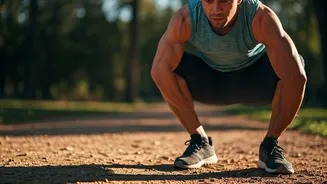
At the heart of this trend is calisthenics, a form of exercise that uses your own body weight as resistance. Think squats, lunges, planks, pull-ups, and push-ups. These aren't just 'easy' alternatives to lifting weights; they are foundational human movements that build functional strength, improve mobility, and enhance body awareness. Unlike machine-based workouts that isolate specific muscles, bodyweight exercises are often compound movements, engaging multiple muscle groups at once. This leads to a more holistic form of fitness that translates directly into real-world activities, whether it's lifting a heavy suitcase, playing with your kids, or simply moving through your day with more ease and less pain. The focus shifts from aesthetics alone to what your body can *do*.
Freedom from 'Gymtimidation'
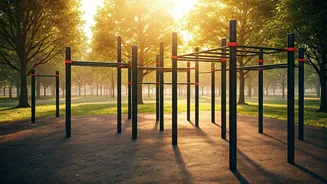
For many, the biggest appeal of zero-equipment fitness is the escape from 'gymtimidation'—the anxiety and self-consciousness that can plague traditional gym environments. The fear of being judged for using equipment incorrectly, not lifting heavy enough, or not having the 'right' body type prevents countless people from even starting. At-home or park-based workouts remove this social pressure entirely. You can grunt, sweat, fail a rep, and celebrate a small victory in the privacy of your own space. This freedom fosters a more positive and sustainable relationship with exercise. It becomes a personal journey of self-improvement, not a performance for an audience. This psychological shift is perhaps the most powerful driver of the trend's staying power.
The Digital Enablers
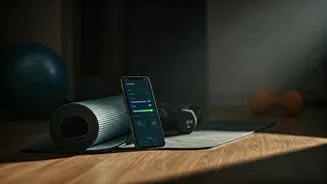
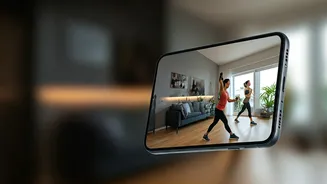
Technology has been a massive catalyst. A universe of free and affordable resources is now available at our fingertips. YouTube channels led by charismatic fitness instructors offer thousands of follow-along workouts. Fitness apps provide structured programmes, progress tracking, and virtual coaching for a fraction of the cost of a personal trainer. Social media platforms like Instagram and TikTok are flooded with bite-sized tutorials and challenges, creating a sense of community and shared motivation. This digital ecosystem has democratised expert guidance, making it possible for anyone with a smartphone to access high-quality workout plans tailored to bodyweight training.
Getting Started The Right Way
The beauty of zero-equipment fitness is its simplicity, but that doesn't mean you can skip the fundamentals. The key to progress and avoiding injury is mastering proper form. Start with the basics: master the perfect squat, plank, and push-up (even if it's on your knees to begin with). Focus on quality over quantity. Ten well-executed squats are far more beneficial than 50 sloppy ones. The principle of progressive overload still applies; you can make exercises harder by increasing reps, slowing down the movement (increasing time under tension), reducing rest times, or moving on to more advanced variations like pistol squats or archer push-ups. The goal is consistent, mindful effort, not immediate, unsustainable intensity.