



A Paradise Built on Coral
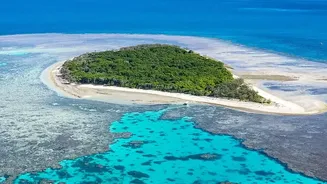
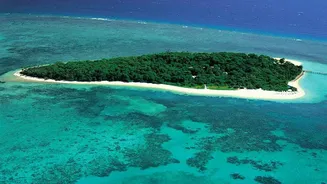
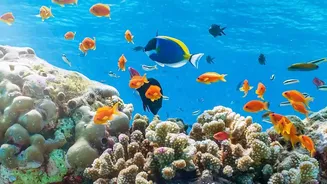
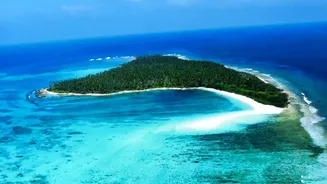
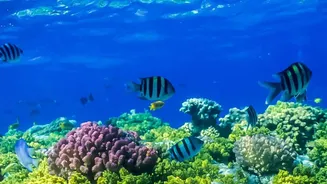
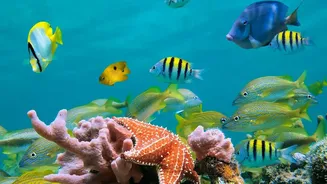
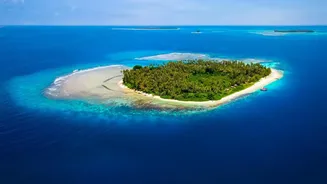
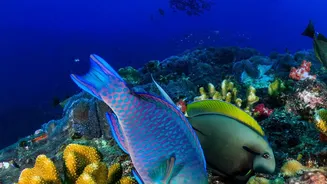
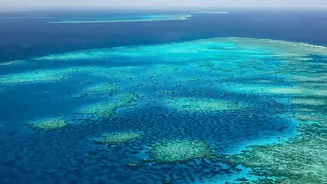
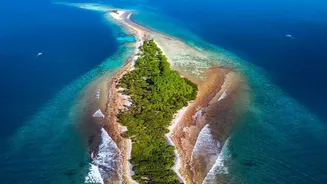
Lakshadweep isn’t just a collection of islands; it's an archipelago of coral atolls, making it unique in India. This entire ecosystem, comprising 36 islands, is built upon and protected by its coral reefs. These reefs act as natural barriers against sea
erosion, sustain a rich diversity of marine life including over 600 fish species, and form the foundation of the islands' existence. However, this vibrant underwater world is incredibly fragile. It faces threats from climate change, which can cause devastating coral bleaching, as well as pressure from human activity. The limited land, scarce freshwater resources, and delicate ecological balance mean that every decision has a profound impact.
Tourism's Double-Edged Sword
For decades, Lakshadweep has followed a cautious, low-volume approach to tourism. But with growing interest in the archipelago as a premier travel destination, the pressure to develop and accommodate more visitors is mounting. This presents both a significant economic opportunity and a grave environmental risk. Unchecked tourism could lead to the very exploitation the new policies aim to prevent: increased pollution from waste, immense strain on the limited freshwater supply, and direct physical damage to the fragile coral from anchors, boats, and inexperienced tourists. Local communities have also voiced concerns about being excluded from the decision-making process and losing access to lagoons essential for their livelihoods as fishermen.
A New Blueprint: Easier Access, Firm Control
At the heart of Lakshadweep's strategy is a revamped approach to its mandatory entry permits. In a significant move in mid-2026, the administration streamlined the process to boost tourism, removing two major hurdles: the need for a local sponsor and a Police Clearance Certificate from an applicant's hometown. The goal was to make travel planning smoother for independent visitors. However, this easier access doesn't mean a free-for-all. The core principle of controlled tourism remains firmly in place. Permits are still compulsory for all non-islanders, and the administration has tightened regulations on movement. Visitors must specify every island they intend to visit, and unscheduled island hopping is prohibited. Transit through gateway islands like Agatti and Kavaratti is now capped at 12 hours, ensuring visitor flow is carefully managed and monitored.
Beyond Permits: An Eco-Conscious Framework
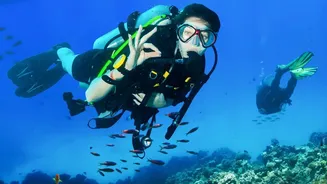
The administration's focus on sustainability extends far beyond entry rules. A complete ban on single-use plastics is strictly enforced across the islands to combat marine pollution. Eco-friendly accommodations are encouraged to adopt practices like solar energy use, rainwater harvesting, and robust waste management systems. To protect the reefs, strict guidelines govern water sports like scuba diving and snorkelling, with an emphasis on educating tourists about responsible behaviour. Furthermore, there is a push towards community-based tourism, aiming to involve local islanders in planning and management, creating a sense of stewardship and ensuring they benefit from the tourism economy. These efforts are bolstered by the Department of Environment and Forest, which actively monitors reef health, protects marine wildlife like sea turtles, and enforces environmental laws.
The Delicate Balance of Progress
While the vision is one of sustainable growth, the path forward is complex. Recent policy shifts, such as the new Town and Country Planning and Development Regulation of 2026, have been met with concern from some islanders and legal experts, who worry about the concentration of power and potential impacts on land rights for the indigenous Scheduled Tribe population. Simultaneously, a 47-year-old prohibition on alcohol was lifted in June 2026 and replaced with a regulated excise policy, a move clearly aimed at making the islands more attractive to a wider range of tourists. These developments highlight the central challenge for Lakshadweep: balancing the drive for economic development and enhanced tourism with the non-negotiable need to protect its natural heritage and the rights of its local communities.