





From Fairness to a Healthy Glow
Walk down any beauty aisle in India, and you’ll notice a change in vocabulary. Words like ‘brightening’ and ‘illuminating’ are replacing ‘whitening’. This isn't just marketing jargon; it reflects a deep change in what consumers want. The K-beauty phenomenon
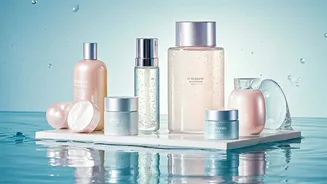
has introduced a powerful counter-narrative to the long-dominant fairness-centric approach. Instead of altering skin tone, the goal is now to enhance skin health. The new aspiration is skin that is so healthy, hydrated, and luminous that it appears translucent, a concept popularly known as ‘glass skin’. This philosophy champions celebrating your natural skin, focusing on nourishment and protection rather than correction and concealment. It’s a move from wanting to look different to wanting to look like the best version of yourself.
The Philosophy of ‘Skin-First’
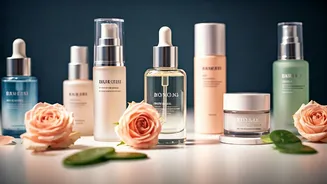
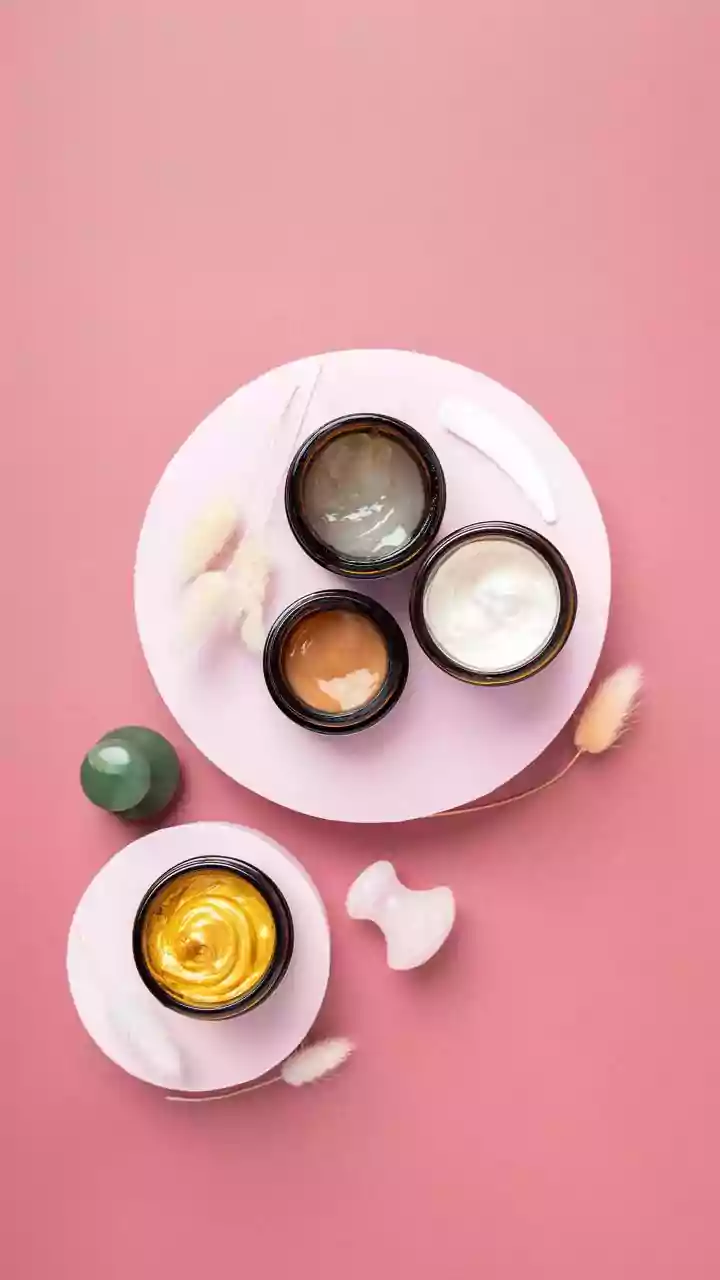
At its core, K-beauty is built on a ‘skin-first’ principle. It treats skincare not as a chore, but as a ritual of self-care and prevention. This is most famously embodied in the 10-step Korean skincare routine, a sequence involving everything from oil cleansers and exfoliators to essences, serums, and sheet masks. While the idea of a 10-step regimen can seem intimidating, its underlying message has resonated deeply with Indian consumers. The philosophy is about layering lightweight, hydrating products to address specific concerns and maintain the skin’s barrier. It’s a proactive approach that prioritises long-term skin health over quick, temporary fixes, a stark contrast to simply applying a single cream and hoping for the best.
India’s Customised K-Beauty Routine
While the 10-step routine is iconic, most Indian consumers aren't adopting it wholesale. Instead, they are creating a hybrid, customised approach that works for the Indian climate and lifestyle. The heavy, occlusive creams popular in Korea’s dry winters are often too much for India’s humid, tropical weather. As a result, a more ‘skinimalist’ version of K-beauty is emerging. This involves cherry-picking key steps and products. The double cleanse (using an oil cleanser followed by a water-based one) has become a non-negotiable for many to combat pollution and makeup build-up. Similarly, lightweight essences, hydrating serums, and daily sunscreen application—a cornerstone of K-beauty—are now staples in many Indian routines.
The New 'It' Ingredients
K-beauty’s influence is most visible in the ingredients that have now become household names in India. Just a few years ago, ingredients like hyaluronic acid, niacinamide, and centella asiatica (cica) were known only to skincare aficionados. Today, they are everywhere. K-beauty popularised these ‘hero’ ingredients, educating consumers on their specific benefits—hyaluronic acid for hydration, niacinamide for pore and texture refinement, and cica for soothing inflammation. Even more adventurous ingredients like snail mucin and propolis have found a dedicated following, thanks to countless online reviews and influencer endorsements touting their reparative and glow-giving properties. This has created a more informed and discerning Indian consumer who reads labels and understands actives.
How Indian Brands Are Adapting
The K-beauty wave has not gone unnoticed by local and international brands operating in India. In response, a new ecosystem has emerged. We're seeing a flood of direct-to-consumer Indian brands launching their own serums, essences, and sheet masks formulated with popular K-beauty ingredients. Legacy brands are also reformulating their products and shifting their marketing to focus on hydration, glow, and skin barrier health. E-commerce platforms have dedicated K-beauty sections, making previously hard-to-find brands accessible. This competitive pressure has forced the entire industry to innovate, offering more sophisticated formulas and greater transparency, which ultimately benefits the consumer.