




Why Winter Worsens Indoor Air
Several factors make winter a challenging time for indoor air quality in India. A phenomenon called 'temperature inversion' traps cold, dense air—and the pollutants within it—close to the ground, preventing it from dispersing. This smog from traffic,
industry, and biomass burning easily seeps indoors. We then keep windows and doors shut to conserve heat, which drastically reduces ventilation and allows pollutants from cooking, cleaning products, and furnishings to accumulate. This combination can make indoor air two to five times more polluted than the air outside, concentrating harmful particles like PM2.5 and volatile organic compounds (VOCs).
Ventilate, But Do It Wisely
While keeping windows shut traps bad air, opening them at the wrong time invites it in. The key is strategic ventilation. Monitor the local Air Quality Index (AQI) and open windows for 15-20 minutes during periods when the outdoor air is cleanest, often in the early afternoon. Always use exhaust fans in kitchens while cooking and in bathrooms during showers. These fans are crucial for expelling moisture and pollutants like nitrogen dioxide from gas stoves, preventing them from circulating inside your home. This simple act of managed airflow is one of the most effective ways to dilute indoor contaminants.
Clean Smarter, Not Harder
A regular cleaning routine is essential for controlling dust, dander, and other allergens. Prioritise vacuuming floors and upholstery at least once a week, ideally with a machine equipped with a HEPA filter to trap fine particles instead of recirculating them. When dusting, use a damp cloth, which captures dust rather than just pushing it into the air. Furthermore, consider the cleaning products you use. Many commercial cleaners release VOCs, which are harmful gases. Opt for products labelled 'low-VOC' or 'zero-VOC', or make your own simple cleaners from ingredients like vinegar and baking soda.
Go Green with Air-Purifying Plants
Houseplants are more than just decoration; they are natural air purifiers. A famous NASA study found that certain plants are effective at removing common indoor toxins like formaldehyde, benzene, and ammonia from the air. For Indian homes, several hardy and effective options thrive indoors. The Snake Plant, Areca Palm, Money Plant (Pothos), and Peace Lily are all excellent choices that are widely available and relatively low-maintenance. The Areca Palm also adds humidity to dry winter air, while the Snake Plant is unique for releasing oxygen at night, making it perfect for bedrooms.
Control Indoor Humidity
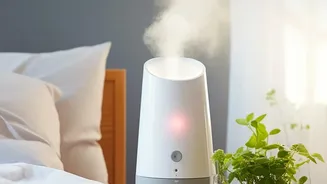
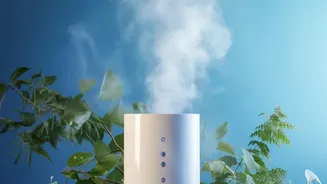
Dry air can irritate your respiratory system, but excessively moist air creates a breeding ground for mould and mildew, which release harmful spores. The ideal indoor humidity level is between 30% and 50%. You can manage this by using exhaust fans after showering, fixing any leaks promptly, and ensuring your clothes dryer vents to the outside. In particularly dry winter climates, using a humidifier can help reduce airborne dust particles and soothe your airways, but be sure to clean it regularly to prevent bacterial growth.
Consider a High-Quality Air Purifier
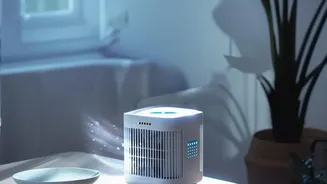
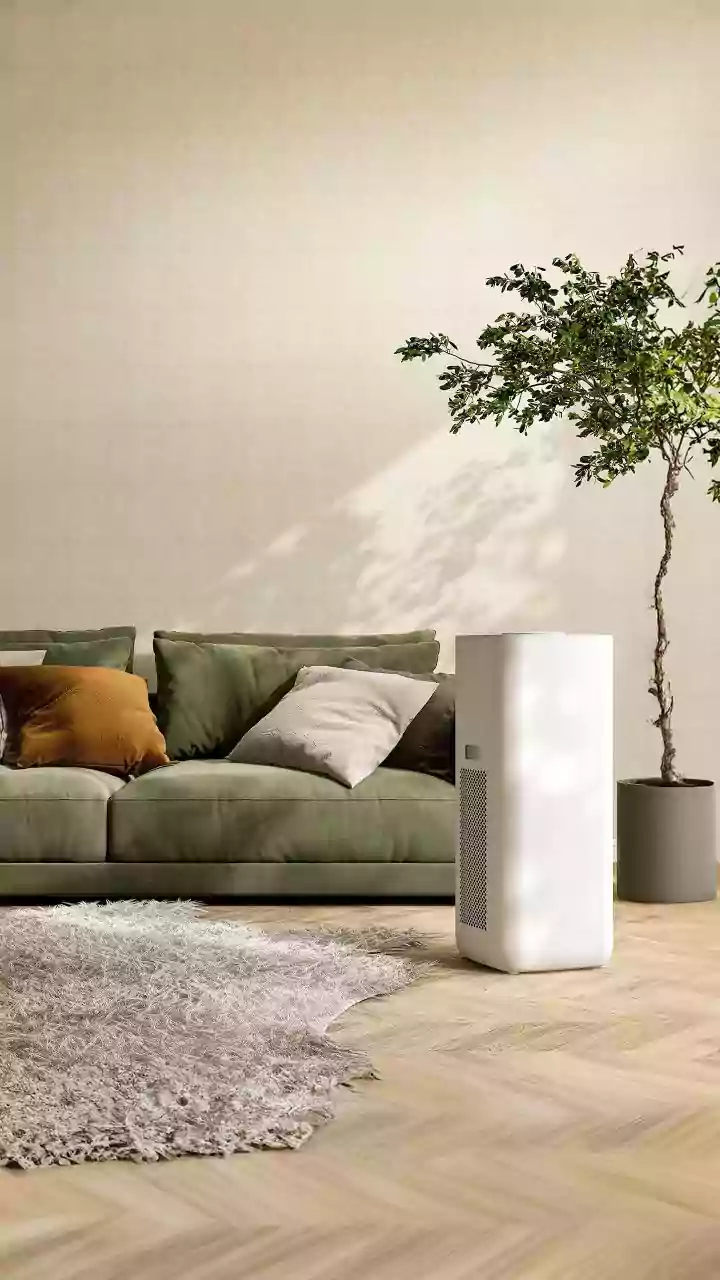
For an extra layer of protection, especially in highly polluted urban areas, an air purifier can make a significant difference. Look for models with a 'True HEPA' filter, which is certified to capture at least 99.97% of particles as small as 0.3 microns. This includes the dangerous PM2.5 particles that can penetrate deep into the lungs and enter the bloodstream. Studies have shown that using a HEPA purifier can substantially reduce the concentration of these fine particles indoors, providing a cleaner, healthier breathing environment for your family.