




The Rain-Shadow Advantage
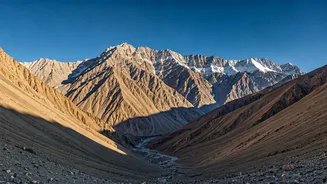
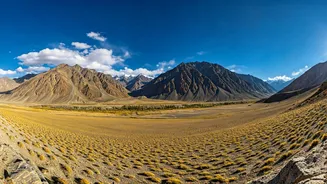
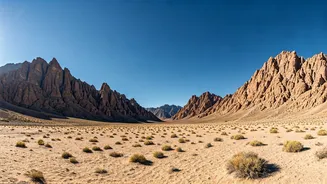
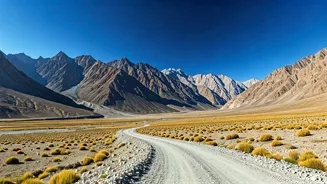
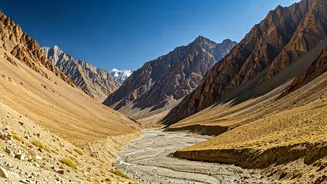
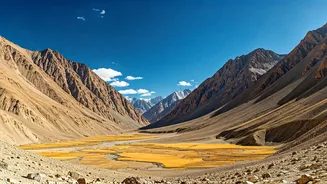
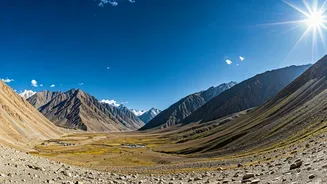
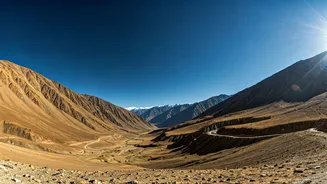
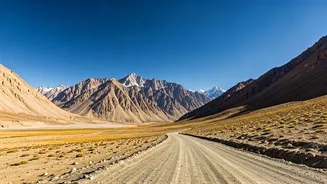
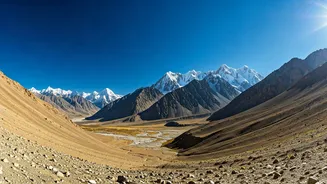
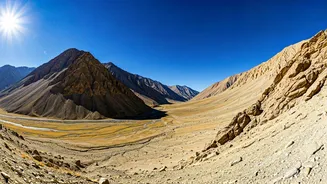
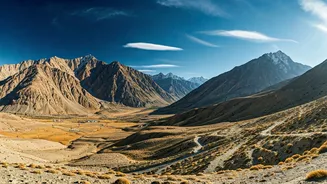
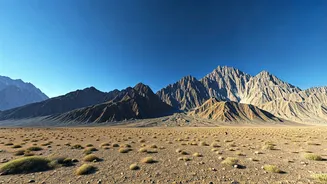
Spiti Valley's magic lies in its geography. It is a high-altitude cold desert nestled in a 'rain-shadow' area. The towering Himalayan ranges to its south block most of the moisture-laden monsoon clouds, resulting in minimal rainfall even during peak monsoon months
from July to September. While other hill stations grapple with downpours and landslides, Spiti offers clear blue skies, bright sunshine, and dry terrain, making it an ideal destination for a monsoon adventure. The landscape, a stunning canvas of barren brown mountains, occasionally turns a surprising shade of green in irrigated patches, creating a beautiful contrast unique to this season.
Planning Your Route
Reaching this remote valley is an adventure in itself, with two primary routes, each offering a different experience. The Shimla-Kaza route is the more reliable, all-weather option. This journey of about 412 km is a gradual ascent through the beautiful Kinnaur Valley, which helps immensely with acclimatisation to the high altitude. It typically takes two days, with an overnight stop recommended in Kalpa or Reckong Peo. The Manali-Kaza route is shorter (around 200 km) and more dramatic, crossing the high passes of Rohtang and Kunzum La (4,551m). This route usually opens from early June to October after snow clearance. While incredibly scenic, it is more challenging due to rough patches and glacial water crossings, especially during the monsoon. Many travellers prefer to enter via Shimla for better acclimatisation and exit via Manali to experience the full circuit.
Ancient Monasteries and High Villages
Spiti's soul resides in its ancient Buddhist monasteries. The Key Monastery, perched dramatically on a hilltop, is the largest and most iconic in the valley. Another must-visit is the Tabo Monastery, a UNESCO World Heritage Site over a thousand years old, often called the 'Ajanta of the Himalayas' for its stunning murals. The Dhankar Monastery, clinging precariously to a cliff, offers breathtaking views of the confluence of the Spiti and Pin rivers. Beyond the monasteries, explore some of the world's highest inhabited villages. Hikkim is home to the world’s highest post office, while Komic is one of the highest villages connected by a motorable road. Don't miss Langza, the 'Fossil Village', where you can find ancient marine fossils, a testament to the time when the Himalayas lay under the Tethys Sea.
Essential Travel Tips
Travelling to Spiti requires preparation. Altitude Sickness (AMS) is a real concern. The best prevention is gradual ascent, so the Shimla route is highly recommended for first-timers. Stay hydrated by drinking 3-4 litres of water daily, eat light, carbohydrate-rich meals, and avoid alcohol for the first few days. Indian nationals do not require a permit for most of Spiti Valley, but a valid government ID is necessary for checkpost registrations. Foreign nationals, however, must obtain a Protected Area Permit (PAP). Mobile connectivity is sparse; BSNL and Jio work intermittently in Kaza but are unreliable elsewhere. Carry enough cash, as ATMs are few and often out of service. Finally, pack layers of warm clothing, as temperatures can drop sharply, even in summer.
Where to Stay
Accommodation in Spiti ranges from hotels and guesthouses in Kaza to charming and authentic homestays in the smaller villages. Opting for a homestay is highly recommended. It offers a unique opportunity to experience the local way of life, savour traditional Spitian food like thukpa and momos, and connect with the warm and hospitable local families. These stays are basic but clean and comfortable, providing a deeper cultural immersion that is often the highlight of a trip to this incredible land.