





Why a Steady Buffet Beats a Feast
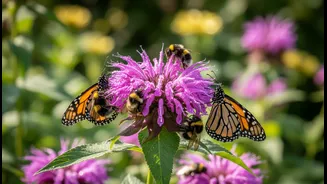
Imagine a restaurant that opens for one magnificent week and then shuts for the rest of the year. That’s what a garden with a single, massive bloom feels like to pollinators. Bees, butterflies, and birds need consistent food sources from the time they
emerge in early spring until the weather cools. A continuous sequence of flowers provides the nectar and pollen necessary for them to survive, reproduce, and support their entire life cycle. A garden that offers blooms in spring, summer, and autumn creates a reliable habitat, encouraging a greater diversity of pollinators to visit and stay. This steady food supply ensures they have the energy needed, especially during critical times like emerging from winter or preparing for migration.
The Problem with One Big Show
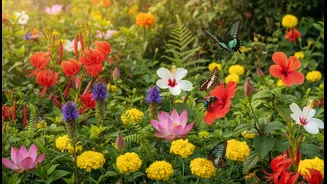
Many gardens are designed for a single, stunning visual peak—a glorious burst of roses in spring or a flush of marigolds post-monsoon. While beautiful, this approach creates a 'feast or famine' scenario. After the show is over, the garden can become a food desert, forcing pollinators to travel elsewhere. This is particularly risky for native bees, many of which are solitary and don't travel far. To build a truly effective pollinator-friendly space, the goal is to bridge the gaps between these peaks. By overlapping bloom times, you create a resilient ecosystem that provides for pollinators throughout the changing seasons.
Early Season Heroes: The First Meal
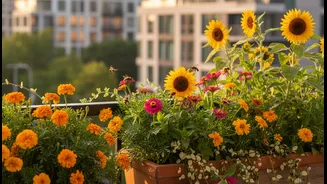
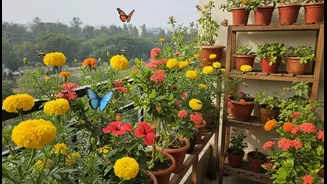
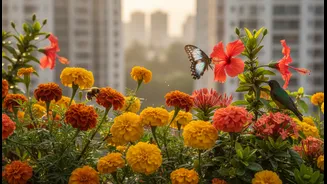
As temperatures warm, the first pollinators emerge, often to find very few food sources available. Planting early bloomers is crucial. In many parts of India, this means having flowers ready as winter recedes. Varieties of Jasmine (Mogra or Chameli) can provide fragrant, early blossoms. Marigolds (Genda), a staple in Indian gardens, can be planted for early colour and are adored by bees. Even allowing some vegetables like mustard (sarson) or coriander (dhania) to flower provides a vital early nectar source that attracts scores of bees. These early flowers are a lifeline for queen bumblebees and other early-emerging insects.
Mid-Summer Mainstays: The Peak Party
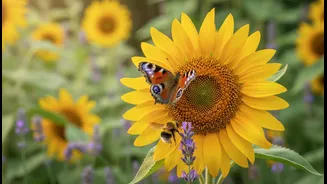
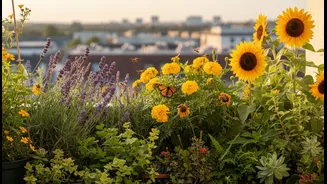
Summer is peak season for pollinator activity, and your garden can become a bustling hub. Heat-tolerant plants are key in the Indian climate. Sunflowers (Surajmukhi) are not only beautiful but their large flower heads are highly attractive to bees and birds. Cosmos and Zinnias are easy-to-grow annuals that bloom profusely and are loved by butterflies. Don't underestimate the power of herbs; Holy Basil (Tulsi) produces small flowers that are a magnet for small native bees. Other fantastic summer choices that thrive in India include Lantana and the ever-reliable Hibiscus, which blooms almost year-round in warmer climates.
Late-Season Lifelines: Fuelling for the Future
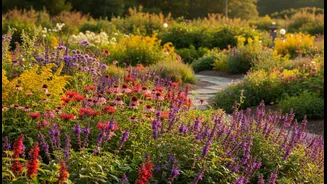
As the season winds down, late-blooming flowers provide a final, critical source of energy for pollinators that are migrating or preparing to overwinter. Asters are classic late-season bloomers that provide abundant nectar for bees in the autumn. Certain varieties of Chrysanthemum (Guldaudi) offer colour well into the cooler months. Perennials like Salvia and Pentas continue to flower late into the year, providing for butterflies. These late-season heroes ensure that the last pollinators of the year have enough food to survive until the next spring.
Beyond Flowers: Water and Shelter
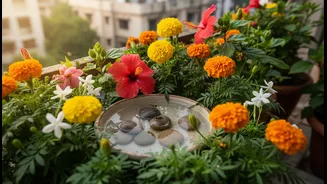
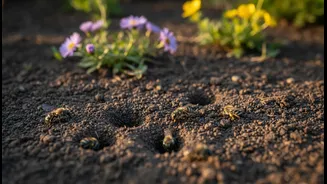
A perfect pollinator garden offers more than just food. A reliable water source is just as important. A shallow dish or saucer filled with pebbles and water provides a safe place for bees and butterflies to drink without drowning. This mimics the natural puddles from which they get water and essential minerals. Shelter is also vital. Leaving a small pile of leaves and twigs in a corner of your garden can provide a safe space for insects to nest and overwinter. The hollow stems of cut-back perennials can also become nesting chambers for solitary bees. These simple additions turn your garden from a simple feeding station into a true sanctuary.