




Master High Heat for Flavour
One of the biggest differences between home and professional kitchens is the confidence to use high heat. Properly preheating your pan before adding any ingredients is a crucial first step. When you place a steak, chicken thigh, or even vegetables onto
a searingly hot surface, you initiate the Maillard reaction. This chemical process between amino acids and sugars creates hundreds of new aroma and flavour compounds, resulting in a deep brown crust that simply can't be achieved with steaming or boiling. That sizzle you hear is the sound of moisture evaporating, making way for that delicious, flavourful browning. Afraid of sticking? On a well-heated stainless steel or cast-iron pan, the food will initially stick and then release itself once a crust has formed.
Unlock Flavour with Deglazing
After searing your protein or vegetables, don't look at those browned bits stuck to the bottom of the pan as a mess to be cleaned. That's concentrated flavour, known in French culinary terms as 'fond'. The professional technique to capture this is called deglazing. Once you've removed your main ingredient from the hot pan, simply pour in a splash of liquid—like wine, stock, or even water. As the liquid bubbles, use a wooden spoon or spatula to scrape up all those flavourful pieces, dissolving them into the liquid. This simple action becomes the foundation for a rich, complex pan sauce that tastes like it took hours to develop.
Season in Layers, Not Just at the End
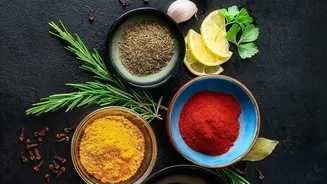
Many home cooks make the mistake of only seasoning their food right before serving. Chefs, however, build flavour by seasoning at every stage of the cooking process. This is called layering flavour. When you sauté your onions and carrots, add a pinch of salt. When you add your tomatoes, season them too. Each layer of ingredients should be seasoned as it's added to the pot or pan. This allows the flavours to meld and deepen, creating a much more complex and harmonious final dish. It's also important to think beyond just salt. A splash of vinegar or a squeeze of lemon juice at the end can brighten up a rich dish, while fresh herbs can add a final, aromatic layer.
The Importance of Uniform Cuts
It may seem tedious, but consistent knife skills are a cornerstone of professional cooking for a reason. When vegetables and proteins are cut into pieces of a similar size and shape, they cook at the same rate. This means you won't have some bits of carrot that are mushy while others are still hard, or pieces of chicken that are overcooked and dry next to others that are underdone. This uniformity ensures every bite of the finished dish has the correct texture. Good knife work is not about speed, but about consistency and safety. Starting with a sharp knife and focusing on making even cuts will dramatically improve the quality and consistency of your dishes.
Build a Better Sauce
Restaurant sauces often seem impossibly smooth and glossy. This is often thanks to a technique called emulsification and another known as reduction. After deglazing a pan, letting the liquid simmer and reduce concentrates its flavour. A key final step for many pan sauces is to turn off the heat and whisk in a knob of cold, unsalted butter. This is called 'monter au beurre' in French. The butter emulsifies into the sauce, giving it a velvety texture, glossy sheen, and rich flavour without making it greasy. You can't achieve this by just melting butter in; the technique of whisking it in off the heat is what creates the stable, creamy sauce.