




Why Monsoon Humidity is Deceptive
During hot, dry weather, sweat evaporates quickly, cooling you down and providing a clear signal of fluid loss. But when monsoon humidity climbs, the air is already saturated with moisture. [2, 19] Your sweat doesn't evaporate effectively; it just drips,
making it harder for your body to cool itself. [2, 4, 18, 19] This process is not only less efficient but also deceptive. You're losing significant amounts of water and essential minerals, but because the sweat isn't evaporating, your brain doesn't get the same urgent message to drink up. [2, 9, 15] This blunted thirst response is why you can become dehydrated during the monsoon without ever feeling particularly thirsty. [2, 23]
The Sneaky Signs of Dehydration
Thirst is a late indicator of dehydration. During the monsoon, you need to watch for other, more subtle signs that your body is running low on fluids. [7] A persistent, dull headache, feelings of fatigue or sluggishness, and difficulty concentrating are common early warnings. [2, 10] Another key indicator is the colour of your urine; if it's dark yellow instead of pale, it's a clear sign you need to drink more water. [2, 12] You might also experience dizziness, dry mouth, or muscle cramps, which can signal not just water loss but also an imbalance of electrolytes. [10, 14] Ignoring these symptoms can lead to more significant issues, so it's crucial to pay attention to your body's signals beyond just thirst.
Upgrade Your Water Bottle
While drinking plain water is essential, the heavy sweating caused by humidity also depletes your body of electrolytes like sodium, potassium, and magnesium. [15, 18] Relying solely on water can sometimes dilute the electrolytes you have left, making issues like muscle cramps worse. [2] To stay properly hydrated, consider upgrading what you drink. Coconut water is an excellent natural source of electrolytes. [7, 16] Adding a pinch of rock salt and a squeeze of lemon to your water can also help replenish lost minerals and make hydration more effective. [9] Warm herbal teas, such as those with ginger, tulsi, or chamomile, are another great option. They not only hydrate but can also offer anti-inflammatory properties and boost immunity, which is an added bonus during a season known for colds and flu. [5, 8] It's also wise to limit diuretics like carbonated soft drinks, excessive caffeine, and alcohol, as they can contribute to fluid loss. [5, 17]
Hydration on a Plate
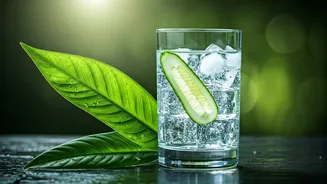
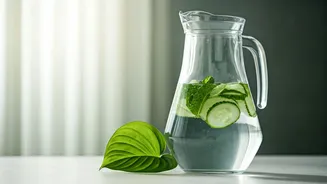
Drinking isn't the only way to stay hydrated; you can also eat your water. Many seasonal fruits and vegetables have high water content and are packed with vitamins and minerals that support hydration. [6] Cucumbers, which are about 96% water, are a refreshing and effective choice. [17] Other great options include bottle gourd (lauki), tomatoes, spinach, and oranges. [16, 17] Incorporating probiotic-rich foods like curd (dahi) and buttermilk (chaas) into your diet can also aid hydration while supporting gut health, which can be sensitive during this season. [8, 16] Soups and broths are another excellent way to increase your fluid intake, providing both warmth and nourishment on a rainy day. [8, 13]
Your New Monsoon Hydration Plan
Rethinking your habits is key to staying hydrated during the monsoon. Instead of waiting to feel thirsty, drink on a schedule. Start your day with a glass of water to kickstart your metabolism and set a positive tone. [5, 25] Keep a water bottle with you throughout the day as a visual reminder. [5] If you're busy, setting an alarm on your phone every hour can help you build a consistent sipping habit. [21] Be mindful of water safety, as the risk of contamination increases during the rainy season. Always opt for boiled, filtered, or otherwise purified water. [5, 11] By being proactive and consistent, you can ensure your body has the fluids it needs to function optimally, keeping you energetic and healthy all season long.