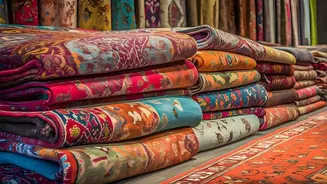









A Summit for India's Heritage
On August 5, 2026, New Delhi hosted the 'GI & Beyond 2.0 Summit', an event dedicated to promoting India's vast array of Geographical Indication (GI) tagged products. Organized by the Ministry of Textiles in collaboration with the Handloom Export Promotion
Council (HEPC), the summit brought together a diverse group of stakeholders. This included artisans, exporters, international buyers from around 10 countries, and policymakers, all focused on a common goal: strengthening the ecosystem for India's unique regional goods. With over 100 GI-registered handloom and handicraft products showcased, the event was a vibrant display of the nation's rich cultural and artisanal diversity, featuring live demonstrations of traditional weaving and craft techniques.
Decoding the GI Tag
So, what exactly is a GI tag? Think of it as a stamp of authenticity and a form of intellectual property. Governed in India by the Geographical Indications of Goods (Registration and Protection) Act, 1999, a GI tag certifies that a product originates from a specific geographical location. More importantly, it signifies that the product's quality, reputation, or unique characteristics are essentially attributable to that origin. This legal protection ensures that only products made in that designated region, following specific traditional methods, can use the coveted name. From Darjeeling tea, which was the first Indian product to receive the tag in 2004-05, to Mysore Silk and Nagpur Oranges, the GI tag serves as a guarantee against fakes and imitation goods.
More Than Just a Label
The impact of a GI tag extends far beyond a simple label. For artisans and farmers, it is a powerful tool for economic empowerment. It prevents larger, machine-made operations from undercutting their prices and allows them to command a premium for their skilled labor and authentic products. This protection helps preserve traditional knowledge and skills that have been passed down through generations, ensuring these cultural practices don't vanish in the face of mass production. For consumers, the tag provides trust and confidence, assuring them that they are purchasing a genuine item with a unique history and quality, whether it's a Kanchipuram silk saree or Alphonso mangoes.
From Local Treasures to Global Brands
With over 600 registered GIs as of 2026, India has a rich portfolio of products with global potential. The summit highlighted a clear ambition to not only protect these treasures but also to promote them on the world stage. Discussions centered on creating robust supply chains, improving marketing, and leveraging e-commerce to connect artisans directly with international markets. A key announcement was the launch of a Digital Handloom Atlas, a platform designed to showcase Indian handloom products and provide artisans with global visibility. These efforts are crucial for turning local heritage into successful global brands, boosting exports, and strengthening rural economies across the country.
The Road Ahead
Despite significant progress, challenges remain. Lack of awareness among many producers, the complexities of registration, and the need for better enforcement against counterfeit products are persistent issues. Many registered GIs still have a very low number of 'authorised users'—the actual producers who can legally use the tag. The summit also featured discussions on using modern technology, like Artificial Intelligence, to strengthen the GI ecosystem, from tracking authenticity to improving market linkage. Overcoming these hurdles is essential to fully unlock the economic and cultural potential that GI tags promise for millions of artisans and farmers in India.