







When thick smog blankets the city, we seal our windows and doors, creating a personal fortress against the pollution outside. But what's happening to the air inside? Here, we examine two popular solutions: technology vs. nature.
The Invisible Threat Inside
Closing your windows during
a smog event is a critical first step, but it’s not a perfect shield. Outdoor pollutants inevitably seep in, and indoor activities like cooking, cleaning, or even using furniture that off-gases can add to the problem. The primary culprits are fine particulate matter (PM2.5) and volatile organic compounds (VOCs). PM2.5 particles are microscopic specks of soot, dust, and chemicals so small they can penetrate deep into our lungs and even enter the bloodstream. VOCs are gases emitted from paints, cleaning supplies, and furniture. Sealing our homes traps these pollutants, creating an indoor air quality problem that demands a solution.
Air Purifiers: The Engineered Solution
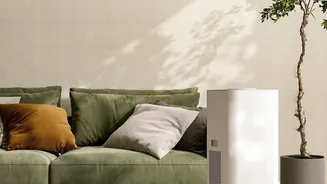
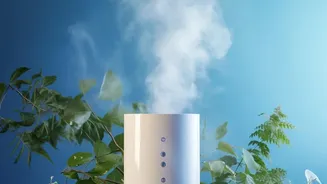
Air purifiers are machines designed for one purpose: to clean the air. Most effective models use a two-pronged attack. First, a HEPA (High-Efficiency Particulate Air) filter traps physical particles. A true HEPA filter is certified to capture at least 99.97% of airborne particles that are 0.3 microns in size, making them extremely effective against PM2.5. Studies consistently show that using a HEPA purifier can significantly reduce indoor PM2.5 levels, with reductions ranging from 15% to over 50% depending on the room, the device's power, and outdoor pollution levels. Second, many purifiers include an activated carbon filter. This material is excellent at adsorbing gas-based pollutants like VOCs and odours, which HEPA filters alone cannot handle.
The Limits of Purifiers
While highly effective, air purifiers are not without drawbacks. There's the initial purchase price, plus the recurring cost of replacing filters, which can be significant, especially in heavily polluted areas where filters clog faster. They also consume electricity, and the fan noise can be disruptive, particularly for continuous use in a bedroom. It's also crucial to choose a model with a Clean Air Delivery Rate (CADR) appropriate for your room size to ensure it can circulate and clean the air effectively. Finally, some 'air cleaners' like ionizers or ozone generators should be avoided, as they can produce harmful ozone as a byproduct.
Houseplants: Nature's Purifiers?
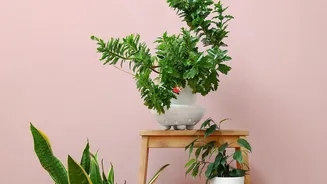
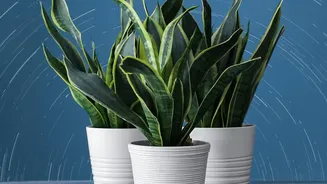
The idea that houseplants can purify indoor air is a popular and appealing one. This belief can be traced back to a 1989 NASA study which found that plants in a small, sealed chamber could remove VOCs like benzene and formaldehyde from the air. The study suggested that plants could be a promising solution for indoor air pollution, and the idea of a 'natural' air filter took root. For decades, we've been told that a snake plant in the bedroom or a pothos in the living room is actively scrubbing the air clean. But the reality is far more complex.
The Truth in the Potting Soil
Recent scientific reviews have put the NASA study into perspective. The key issue is scale. The original experiments were conducted in small, sealed lab chambers—a far cry from a typical home with drafts, open doors, and constant air exchange. To replicate the air cleaning effects seen in the lab, you would need an impossibly large number of plants. One analysis calculated it would take between 10 and 1,000 plants per square meter to match the air cleaning rate of a building's standard ventilation system, let alone a dedicated air purifier. While plants can absorb some VOCs, their effect on PM2.5—the most dangerous component of smog—is negligible. In the battle against acute smog, houseplants are simply outmatched.
The Verdict: A Clear Winner for Smog
When it comes to protecting your health during a smog episode, the science is clear: an air purifier is the only truly effective tool. Its ability to mechanically filter large volumes of air and capture the vast majority of harmful PM2.5 particles is something a pot of English ivy simply cannot do. While houseplants do remove a tiny amount of VOCs, the rate is too slow to make a meaningful difference in a real world home environment. Relying on plants for air purification during high pollution is a lost cause.
Where Plants Still Shine
This doesn't mean you should throw out your houseplants. Their value just lies elsewhere. Numerous studies show that the presence of indoor plants has significant psychological benefits. They can reduce stress and anxiety, improve mood, and even boost productivity and concentration. The act of caring for a living thing provides a sense of purpose and connection to nature. So while they may not be air cleaning powerhouses, they are powerful mood boosters and beautiful additions to our indoor sanctuaries.