






The Baahubali Blueprint
The conversation about the modern pan-Indian blockbuster begins with one name: S.S. Rajamouli's 'Baahubali'. Released in 2015, 'Baahubali: The Beginning' was a Telugu film of unprecedented scale, blending grand visuals, high-octane action, and a storyline
rooted in Indian mythology. It was dubbed and released simultaneously in multiple languages, a strategy that paid off spectacularly. Before 'Baahubali', dubbed films were often relegated to smaller screens or considered inferior. But its creators invested heavily in high-quality dubbing and a unified marketing strategy that treated every region as a primary market. The film’s cliffhanger ending became a national talking point, proving that a compelling story, told with conviction and world-class VFX, needed no specific language to captivate the entire country. It didn’t just make money; it expanded the market's potential and gave filmmakers from all regions the confidence to think bigger.
A Recipe for National Success
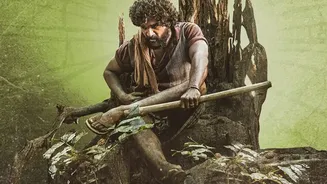
The success of 'Baahubali' was not a fluke; it revealed a formula that others would follow and refine. Films like 'K.G.F.', 'Pushpa: The Rise', and 'RRR' all share common DNA. At their core is a larger-than-life hero, often an underdog who rises against a corrupt system—a classic trope that resonates universally. These stories are deeply rooted in Indian cultural ethos, drawing from mythological archetypes of good versus evil and the celebration of raw, masculine power. They are not urban, niche stories but grand, emotional spectacles designed for a mass audience. The narratives are straightforward but presented with breathtaking action sequences, powerful dialogues, and a scale that demands a theatrical experience. This potent combination of familiar emotions and unprecedented spectacle became the new definition of a 'masala' entertainer for a modern Indian audience.
Breaking the Language Barrier
For this crossover to happen, the industry had to overcome a significant hurdle: language. The pan-Indian phenomenon was enabled by a strategic shift in how films were distributed and consumed. High-quality, carefully supervised dubbing replaced the often-clumsy voiceovers of the past, ensuring that the tone and emotion of the original performances were not lost in translation. Furthermore, filmmakers began casting actors from different industries to create a more inclusive, pan-Indian appeal. The rise of streaming platforms also played a crucial role, normalizing the act of watching content with subtitles and exposing audiences to a wider variety of regional cinema. As viewers in the Hindi heartland became familiar with stars like Allu Arjun, Yash, and Ram Charan through their dubbed films on television and OTT, the ground was prepared for their theatrical releases to become nationwide events.
A Shift in the Center of Gravity
The rise of these southern blockbusters represents more than just a box office trend; it signifies a fundamental shift in the power dynamics of Indian cinema. For years, Bollywood was considered the default national film industry. Regional cinema, despite its own rich history and massive output, was often treated as secondary. The pan-Indian success of films from the Telugu and Kannada industries has challenged that hierarchy. They have proven that a film's origin language is no longer a barrier to national acceptance and that compelling content can emerge from any part of the country to capture the collective imagination. This has not only boosted the pride and commercial viability of regional industries but has also forced Bollywood to reassess its own storytelling formulas in the face of new competition.